-

State Administration of Grain on Further Advancing the Industrialization of Staple Foods
Guo Liang Zhan [2012] No. 164 Guiding Opinions of the State Administration of Grain on Further Advancing the Industrialization of Staple Foods and Enhancing the Capacity to Guarantee Staple Ration Supply To the grain bureaus of all provinces, autonomous regions, municipalities directly under the Central Government, cities under separate state planning, the Xinjiang Production and Construction Corps, and the General Administration of State Farms of Heilongjiang Province; China Grain Reserves Corporation, COFCO Corporation, China Hualiang Logistics Corporation, and China Zhongfang Corporation:
-
Diversifying Staple Foods: Technological Innovation Makes People's Diets More Nutritious and Healthier
Technological Innovation Leads the Diversification of Staple Foods, Making People's Diets More Nutritious and Healthier. International Symposium on Potato Staple Food Products and Industrial Development Held in Beijing. This website reports: On July 29, the Ministry of Agriculture held the International Symposium on Potato Staple Food Products and Industrial Development in Beijing. The meeting proposed
-
Three Categories and One Label foods become the top choice for many consumers
Qingyang apples, Jingyuan goji berries, organic rice from Shanghai, Kunlun snow crabs raised on Kunlun snow mountain water, Baisha green tea grown in a crater in Hainan... At the 15th China Green Food Expo held in Shanghai, 33 exhibition delegations from 30 provinces (regions, municipalities) across the country displayed as many as a thousand products including grain, oil, fruit, vegetables, tea, livestock, poultry, eggs, milk and aquatic products, which won the favor of buyers and ordinary consumers.
-
Staple foods lead dietary trends, processing boosts agricultural efficiency
Steamed buns, noodles and rice are staple foods that Chinese people cannot do without every day. As the pace of life accelerates, fewer and fewer people mix dough and steam buns or roll out noodles at home, and standardized, factory-produced staple food products have become the choice of more people. Yet in the face of growing
-
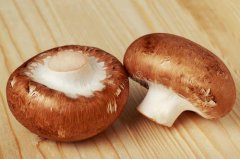
What Are the Mushroom-Processed Foods? An Introduction to Common Types of Mushroom Products
Mushrooms are now a common dish on the market, but did you know that besides being sold directly for eating, they can also be made into what kinds of goods for sale? What price range do they fall within? Let's take a look together. Shiitake stem meat floss, mushroom sauce, mushroom soy sauce
-
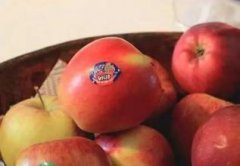
Are New Zealand Jazz apples tasty? Characteristics and foods you can make with them
The shape of the Jazz apple varies somewhat. It is hard and crisp, yet juicy. The color is a mix of red and maroon over green, with a yellow and orange blush. Growers produce Jazz in New Zealand, the United Kingdom, the United States, Australia, France, Chile, Italy, Switzerland and Austria
-
What do fawns like to eat? A big roundup of common foods
Fawns are very cute, with beautiful spots on their bodies, and are loved by many people. Many breeders also raise fawns, so what do fawns like to eat? 1. What do fawns like to eat? Fawns are herbivorous animals, mainly eating grass and tree bark, feeding mainly on grasses of the Poaceae family, mosses and various other tender grasses and leaves.
-
What do river shrimp eat? They are omnivorous and can be fed a wide range of bait foods.
Abstract: River shrimp have fairly omnivorous feeding habits. In natural waters they mainly feed on various small benthic invertebrates, carcasses of aquatic animals, organic debris and plant debris, etc. In artificial farming they are mainly fed animal-based bait such as tofu residue, distillers' grains, cooked rice, silkworm pupae, river snails and wheat flour, but to ensure balanced nutrition for the river shrimp, compound feed should also be given in combination.
-
How to Raise Ostriches? Ostriches Love to Eat These Foods
Although everyone has heard of the ostrich, this large bird, many people find the idea of raising ostriches quite unbelievable. Actually, when you think about zoos, there is no animal they do not have, so raising an ostrich should not be especially difficult.
-
What are genetically modified foods, and what are their harms?
Since genetically modified foods first appeared, their safety has always drawn widespread public attention, and many organizations even attribute problems such as cancer, tumors, infertility, declined immunity and fetal deformities to genetically modified foods. So what are genetically modified foods
条件筛选