-
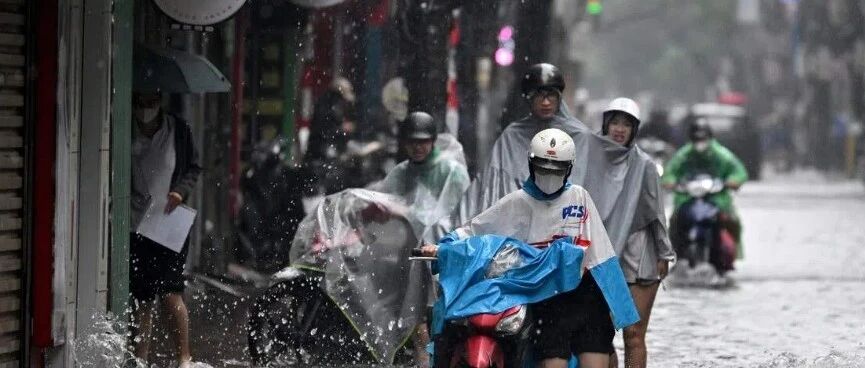
Vietnam's Persistent Heavy Rain Devastates Agriculture: Northern Region Flooded, Durian Trees Die Off en Masse in Central Highlands
Vietnam's persistent heavy rain devastates agriculture: heavy rain in the north kills 3 people, floods more than 16,000 houses, and damages 22,000 hectares of crops; in the Central Highlands, durian orchards in Gia Lai Province suffer from diseases triggered by waterlogging, with thousands of hectares of durian trees affected and large numbers of trees dying from resin oozing and root rot.
-

How to Manage Citrus After Flooding? A Detailed Guide to Practical Remedial Measures
The heavy rainfall brought by this year's No. 15 typhoon Koppu caused torrential rain in parts of Xinyi City in Maoming, Yangchun City in Yangjiang, and Luoding City in Yunfu in western Guangdong, causing widespread damage and loss to crops such as rice, and severe damage and harm to fruit trees such as citrus.
-
Japan opened up to ractopamine pork 15 years ago: US and Canadian pork flooded in, and imported pork consumption overtook domestic pork
Lessons from pork past: Japan opened up to ractopamine pork 15 years ago, US and Canadian pork flooded in, and imported pork consumption overtook domestic pork
-
-
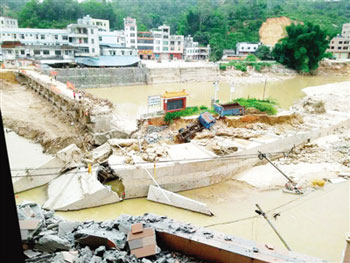
What rescue measures are there after rice is flooded
Rice fields flooded for 1-4 days below 25°C suffer little damage; flooding for 1-4 days above 30°C can cause abnormal grain filling in rice; flooding for 1-4 days above 40°C can cause rice to wither and die with total crop loss. When rice is flooded at the seedling stage, the seedlings become thin and elongated with yellowing leaves, and generally are difficult to recover; at the tillering stage, the lower leaves necrose and the heart leaves curl, and after the water recedes the leaves wither, but generally do not rot; at the jointing stage, the plants become thin and weak and are prone to lodging and breaking; at the booting stage, resistance is weakest, and rotten ears and deformities easily occur, reducing the seed-setting rate; at the grain-filling stage, the lower leaves wither and yellow, the top leaves yellow, and the ears
-
After rice is flooded, attention must be paid to the three prevention measures
From mid-to-late June to mid-to-late July, southern regions are often hit by heavy rain, and some areas are prone to flooding disasters. If flooding occurs, in addition to carrying out conventional remedial measures, attention must also be paid to preventing outbreaks of bacterial diseases and mass outbreaks of migratory pests. Prevent the spread of bacterial brown stripe disease. As floodwaters overflow, the pathogen spreads and is transmitted and infects through wounds on rice plants caused by rain and floodwaters. The resistance of submerged rice plants declines, which is more conducive to disease spread. There is a process from after flooding to disease spread, therefore, for middle-season rice in flooded areas,
-
How do you deal with a snake den that gets flooded by summer rainwater?
Some people, when building an underground snake den, often overlook the fact that the den should be about 30-40 cm above ground level. And they build it in a spot that is bad for drainage.
-
What to Do After Cotton Is Flooded? Key Points of Emergency Management
In summer, rainfall is heavy, concentrated, and prolonged. At this time, cotton is in the most critical period of transitioning from vegetative growth to reproductive growth, and also the most critical period for the increase of cotton buds and bolls. To reduce cotton production losses and strive for a good cotton harvest, the following emergency management measures must be taken immediately after cotton is waterlogged. 1. Deeply dig three ditches. Quickly drain standing water and reduce water accumulation in the cotton field. Deeply dig the three ditches not only to drain standing water, but more importantly to lower the groundwater level and soil moisture content to relieve hidden waterlogging in the cotton field, and promptly clear the furrow ditches; the waist ditches must strictly meet the standards of 60
-
What to Do When Cotton Is Flooded? Waterlogging Rescue Methods During Great Heat
Minor Heat and Great Heat fall in July, the hottest month of the year. Do a good job in flood control, heat prevention and drought resistance; harvest early rice in a timely manner; apply tillering and ear fertilizer to mid-season rice; carry out intertillage and soil loosening, topping, and flower fertilizer application for cotton; and control pink bollworm and cotton bollworm. Sow late-autumn crops in a timely manner. Ensure good ventilation and cooling for livestock and poultry pens to prevent heatstroke in people and animals. Most cotton fields in our province are currently in a state of hidden waterlogging. This is currently the most critical period for cotton's transition from vegetative growth to reproductive growth, and also the most critical period for the increase of cotton buds and bolls. Emergency management measures must be taken immediately.
-
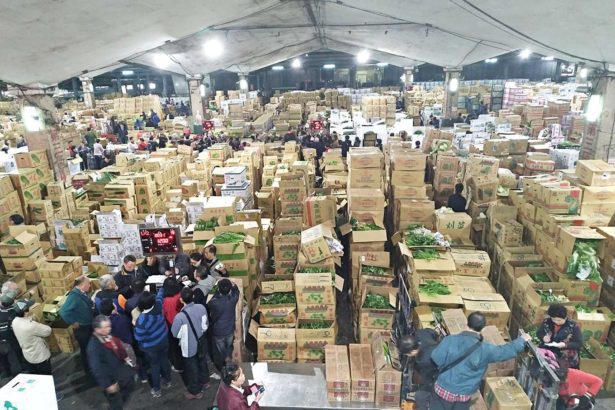
Beinong closed for 6 days within 12 days, vegetables and fruits flooded the market and prices fell, farmers' hearts ache
(Exclusive) Beinong Taipei Fruit and Vegetable Market closed for 6 days within 12 days! Vegetables and fruits ripened and piled up, flooding the market and falling prices, farmers' hearts ache
条件筛选