-

What remedial measures are there after cotton is affected by flooding?
Cotton has the ability to self-regulate and compensate. After a disaster, remedial measures of stress-resistant cultivation should be adopted: rapid drainage, early loosening of the soil, heavy fertilization, delayed topping, and intensive pruning. Rapid drainage: make an all-out effort to lower the water level in the outer three ditches, with emphasis on clearing and deepening the inner three ditches of the cotton field. In areas with low-lying terrain and high inland river water levels, mechanical and electrical drainage must be used on an emergency basis to speed up drainage and lower the groundwater level of the cotton field. Early loosening of the soil: after flooding, the cotton field soil becomes compacted and has poor permeability. About 7 to 8 days after drainage, the soil should be loosened on an emergency basis to improve soil aeration and warming performance in the cotton field and accelerate the recovery and growth of cotton seedlings.
-
What to Do When Cotton Is Flooded? Waterlogging Rescue Methods During Great Heat
Minor Heat and Great Heat fall in July, the hottest month of the year. Do a good job in flood control, heat prevention and drought resistance; harvest early rice in a timely manner; apply tillering and ear fertilizer to mid-season rice; carry out intertillage and soil loosening, topping, and flower fertilizer application for cotton; and control pink bollworm and cotton bollworm. Sow late-autumn crops in a timely manner. Ensure good ventilation and cooling for livestock and poultry pens to prevent heatstroke in people and animals. Most cotton fields in our province are currently in a state of hidden waterlogging. This is currently the most critical period for cotton's transition from vegetative growth to reproductive growth, and also the most critical period for the increase of cotton buds and bolls. Emergency management measures must be taken immediately.
-
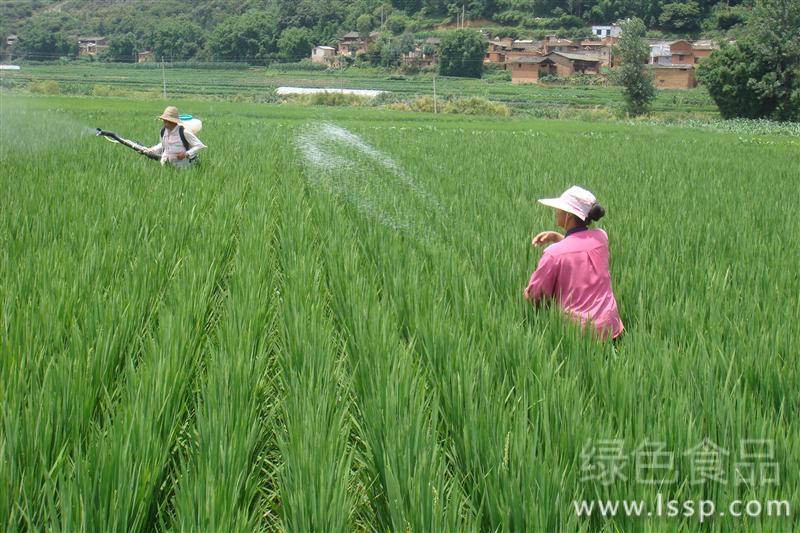
How to manage rice after it suffers from flooding
What to do when rice suffers from flooding and how to manage rice well after flooding
-
What to Do After Cotton Is Flooded? Key Points of Emergency Management
In summer, rainfall is heavy, concentrated, and prolonged. At this time, cotton is in the most critical period of transitioning from vegetative growth to reproductive growth, and also the most critical period for the increase of cotton buds and bolls. To reduce cotton production losses and strive for a good cotton harvest, the following emergency management measures must be taken immediately after cotton is waterlogged. 1. Deeply dig three ditches. Quickly drain standing water and reduce water accumulation in the cotton field. Deeply dig the three ditches not only to drain standing water, but more importantly to lower the groundwater level and soil moisture content to relieve hidden waterlogging in the cotton field, and promptly clear the furrow ditches; the waist ditches must strictly meet the standards of 60
-
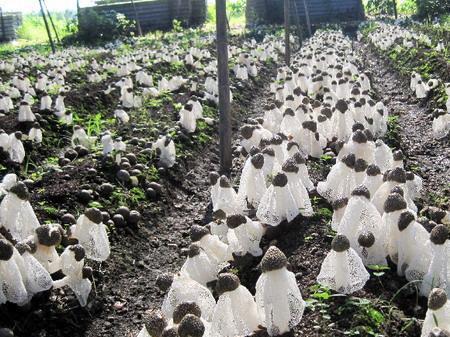
Pest and Disease Control Methods for Bamboo Fungus After Flooding
How to prevent and control pests and diseases in bamboo fungus cultivation after flooding?
条件筛选