-

What precautions are there for growing Houttuynia cordata (fish mint)?
What problems need attention when growing Houttuynia cordata?
-

Houttuynia (Fish Mint, Chinese Lizard Tail) Planting Season, Best Time to Eat, Benefits and Effects, and Cultivation Techniques
Houttuynia, also known as dog-heart grass, zhè'ěrgēn (folded-ear root), or dog-ear grass, was once a wild weed seen everywhere. Houttuynia is a medicinal and edible Chinese herbal medicine. In recent years, demand for houttuynia has been growing rapidly, prices have been rising continuously, and more and more herb growers are paying attention to its cultivation. So what are the prospects for houttuynia cultivation?
-

How to prevent and control fish helminthiasis? Detailed explanation of prevention and control methods
Fish diseases caused by some species of flatworms, roundworms, and segmented worms are called fish helminthiasis, such as: dactylogyriasis, gyrodactyliasis, diplostomiasis, ligulosis, etc. Prevention and control methods: 1. Spread 0.65-0.7 microliters/liter of crystal trichlorfon over the whole pond. 2. Use quicklime to thoroughly clear the pond and kill snails. In fry and fingerling rearing ponds, copper sulfate can be spread to make the pond water 0.7 microliters/liter, and after an interval of 12-24 hours, spread it again at the same concentration.
-
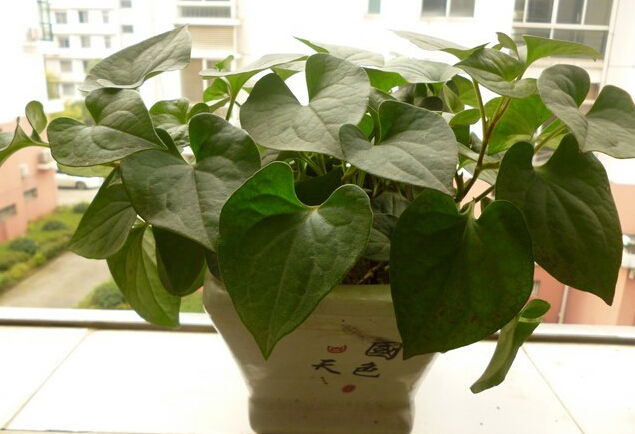
What are the cultivation methods and precautions for Houttuynia cordata (fish mint)
The seed germination rate is not high; germination is best at an alternating temperature of 17-25°C, with a germination rate of about 20%. Propagation by division, cuttings and rhizomes is all possible. Division propagation is done from late March to April: dig out the mother plant, divide it and transplant the divisions into a sandy soil seedbed to raise seedlings, or transplant them directly. Cuttings can be taken in spring and summer
条件筛选