-

How to grow Houttuynia cordata (fish mint): propagate from roots or from seeds?
Summary: Houttuynia cordata can be grown both from roots and from seeds, but root propagation grows faster. The best sowing time is around the Beginning of Spring (Lichun); in a flower pot, open furrows in the same direction for row planting, with a furrow depth of 8-10 cm, a width of 13-15 cm, and a row spacing of 20-25 cm
-
Fish Mint Planting Techniques: A Detailed Guide to Three Propagation Methods - Division, Cuttings and Seedling Raising
Summary Stem propagation: choose a suitable propagation method and plant fish mint stems in a sandy loam seedbed; transplant when the seedlings have grown 2 axillary buds. Land: choose a flat site with sufficient water and convenient drainage and irrigation, and deep-plough and fertilise before planting. Land preparation and bed making:
-
What are the key techniques for field cultivation of Houttuynia cordata (fish mint)?
1. Selecting seed stems. Houttuynia cordata is not propagated from seed; its rhizomes are used as planting material. Choose stems from non-flowering plants that are thick and plump, have long internodes, and have few root injuries. The seed stems should be at least 5 to 6 cm long, preferably 15 to 20 cm. Generally, it can be planted in all four seasons. However, to
-
Artificial Cultivation and Planting Methods for Houttuynia cordata
Houttuynia cordata, also known as ceyuergen, jicai, choucao, yulincao, goutieer, etc., is a perennial herbaceous plant of the genus Houttuynia in the family Saururaceae. It is cold in nature, pungent and bitter in taste, has antibacterial and antiviral, heat-clearing and detoxifying effects, and has edible value and medicinal value. 1. Growth Habits and Environmental Requirements
-
When is the best time to harvest Houttuynia cordata (fish mint)?
Some people drink Houttuynia cordata all year round, but that is mostly because it keeps for a long time after being dried. So, in which season does Houttuynia cordata grow? When is the best time to harvest Houttuynia cordata? The edible part of Houttuynia cordata is usually its underground root. To let Houttuynia cordata grow and develop fully
-
What plant is zhe'ergen? Introducing you to fish mint
Zhe'ergen is the underground tender root of fish mint (Houttuynia cordata). At present, zhe'ergen is used as a fresh vegetable; it can be eaten as a dish, served cold, stir-fried, made into soup or pickled, and can be used to make many dishes with a unique flavor. It is rich in nutrients. 1. Where is zhe'ergen a specialty product? Zhe'ergen
-
What are the benefits, effects and contraindications of the "health-preserving treasure" Houttuynia cordata (fish mint, also known as zhe'ergen)? Can it treat hemorrhoids, rhinitis and gynecological diseases?
Houttuynia cordata is a Chinese herbal medicine, also called zhe'ergen (fish mint). Houttuynia cordata is generally harvested in summer and mostly grows by the edges of fields and along both sides of roads. It has the effect of clearing heat and detoxifying, and back in my hometown it is generally used to make tea. So what are the benefits, effects and contraindications of Houttuynia cordata
-
How to grow fish mint (Houttuynia cordata)? Latest cultivation techniques and methods tutorial
Fish mint, also known as Houttuynia cordata, pig nostril, ji cai, dog ear etc., is a perennial herbaceous plant with persistent roots in the Saururaceae family, Houttuynia genus. It is both a medicinal and culinary plant, and the whole plant is edible. Its tender roots, tender stems and leaves are rich in nutrients and have a unique flavor. They contain protein, fat, carbohydrates
-
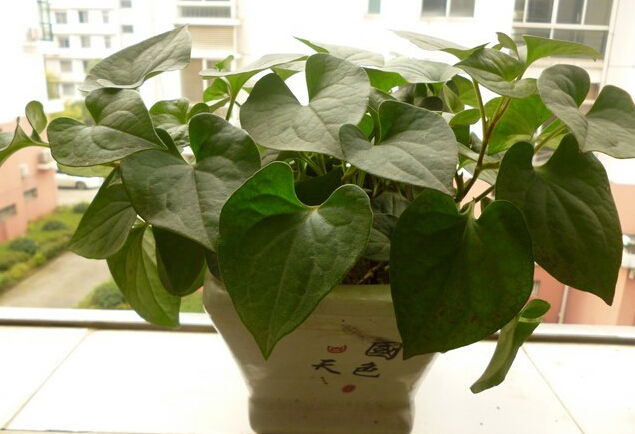
What are the cultivation methods and precautions for Houttuynia cordata (fish mint)
The seed germination rate is not high; germination is best at an alternating temperature of 17-25°C, with a germination rate of about 20%. Propagation by division, cuttings and rhizomes is all possible. Division propagation is done from late March to April: dig out the mother plant, divide it and transplant the divisions into a sandy soil seedbed to raise seedlings, or transplant them directly. Cuttings can be taken in spring and summer
-
How to prevent and control fish helminthiasis? Detailed explanation of prevention and control methods
Fish diseases caused by some species of flatworms, roundworms, and segmented worms are called fish helminthiasis, such as: dactylogyriasis, gyrodactyliasis, diplostomiasis, ligulosis, etc. Prevention and control methods: 1. Spread 0.65-0.7 microliters/liter of crystal trichlorfon over the whole pond. 2. Use quicklime to thoroughly clear the pond and kill snails. In fry and fingerling rearing ponds, copper sulfate can be spread to make the pond water 0.7 microliters/liter, and after an interval of 12-24 hours, spread it again at the same concentration.
条件筛选