-

Key Points of Grass Carp Farming Technology and Precautions for Feeding Grass
Grass carp is highly favored by consumers for its tender flesh, large individual size, and few intermuscular bones. Let's take a look at the farming technology for grass carp and precautions for feeding grass. Farming technology for grass carp. Pond requirements: The pond area should preferably be 10-20 mu, with a water depth of 2-2.5 m, and a silt thickness not exceeding
-
How to save forage when raising cattle? These practical tips are worth learning
Long grass fed short, as the saying goes: Cut inch grass three times, and it will gain fat even without feed. Feeding cattle with chopped forage saves about 20% compared with feeding it whole. This is especially true for coarse, hard stalks that cattle eat less of or find difficult to eat when fed whole; if they are chopped short and fed, they can be fully utilized, and digestibility
-
What are the precautions for feeding cattle with green grass in summer?
Precautions for feeding cattle with green grass in summer
-
Feeding Methods and Technical Key Points for Raising Geese on Ryegrass
How to Use Ryegrass to Raise Geese
-
Why can feeding grass carp with honey increase production?
Feeding grass carp with honey can increase production
-
After feeding, grass carp gather in groups and lie at the water surface, similar to oxygen deficiency - what is going on?
After grass carp finish feeding, they gather in groups and lie at the water surface, with symptoms similar to oxygen deficiency
-
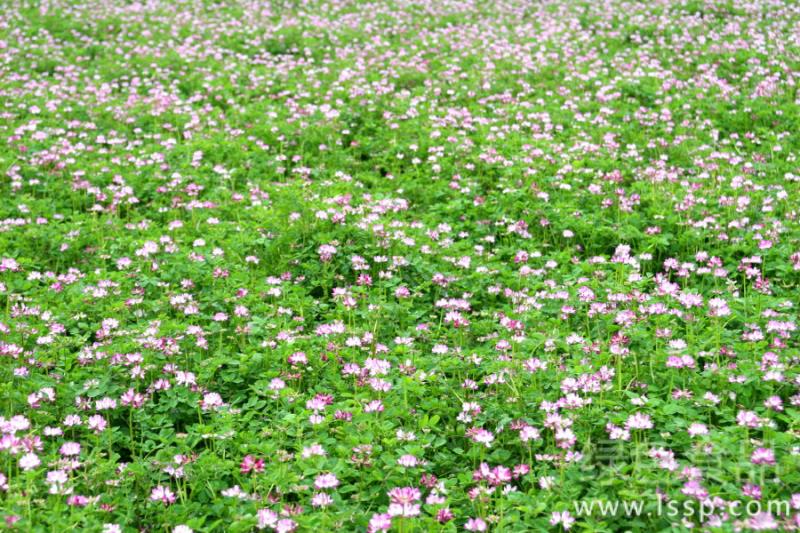
What forage grasses are there for feeding ducks? A detailed explanation of three forage grasses suitable for green ecological duck farming
A detailed introduction to three forage grasses suitable for feeding ducks in green ecological duck farming
-

-

What do grasshoppers eat? A detailed explanation of the feeding habits of grasshoppers
What do grasshoppers eat?
-
Feeding deer with grass powder has many benefits, and deer farmers should give it a try
The method of feeding deer with grass powder is very simple. Use a grass powder machine to grind corn stalks, soybean stalks, rice straw, wheat straw, peanut vines, dry leaves, etc. into powder. For every 100 kg of grass powder, add about 100 kg of warm water, stir evenly, then pile it into a heap on a cement floor, or place it in a specially made pit and let it sit for 2-3 hours to ferment and soften. Then mix the prepared concentrate (cornmeal, soybean cake, salt, bone meal, etc.) thoroughly with the fermented grass powder, let it ferment for another 2-3 hours, and then feed it to the deer. The biggest benefit of feeding deer with grass powder is improving the
条件筛选