-
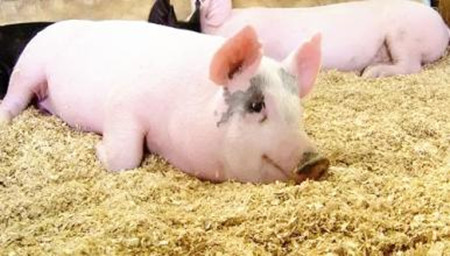
Glucose is a miracle drug for pig farmers, but do rural pig farmers really know how to use it?
Glucose! A miracle drug for pig farmers, but do rural pig farmers really know how to use it?
-
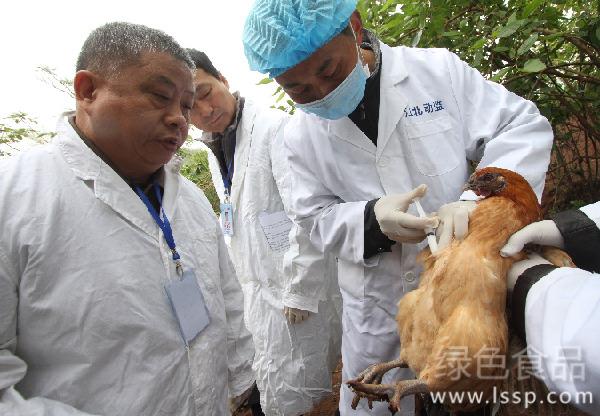
Essential Knowledge on Animal Disease Prevention and Control: What Every Farmer Must Know
What Every Farmer Must Know: Essential Knowledge on Animal Disease Prevention and Control
-

What are the common causes of piglet death? What pig farmers need to know
Common causes of piglet death
-

How to Handle Silkworms After They Spin Cocoons? Key Management Points Silkworm Farmers Must Know
How to handle silkworms after they spin cocoons?
-

Detailed Explanation of Freshwater Fish Farming Knowledge and Key Aquaculture Techniques
Freshwater Fish Farming Knowledge
-

How can pig farms prevent fires? Fire prevention points every pig farmer must know
How pig farms can prevent fires
-

What role do carbohydrates play for pigs? What pig farmers need to know
Carbohydrates are composed of three elements: carbon, hydrogen and oxygen. They are the main component of plants, accounting for about 70%-80% of all nutrients in plants, and are the main energy source in pig feed. After carbohydrates enter the pig's body, they are transformed into energy through a series of changes, providing heat energy for the pig's various life activities. The carbohydrates remaining after meeting daily energy consumption can be converted into fat in the pig's body and stored as an energy reserve, to be used when hungry. The pig's fat and leaf fat are this reserve of surplus energy. Pigs have a strong ability to convert carbohydrates eaten into fat, and when a large amount of carbohydrates is eaten, body fat increases quickly as well, so feeding pigs with feed rich in carbohydrates (such as corn, rice, sweet potato, potato) makes it easy to convert into body fat. When raising lean-meat pigs, carbohydrates should be supplied reasonably, especially in the late fattening stage, when the feeding amount of such feed should be appropriately reduced to prevent the pig from becoming too fat.
-
What are the benefits of cooperative rearing of young silkworms? Silkworm farmers who know early benefit early
From hatching to cocoon spinning, silkworms generally go through 4 molts and 5 instars. Instars 1 to 3 are called young silkworms, and instars 4 to 5 are called large silkworms or mature silkworms. The young silkworm stage is the period for building up physical constitution and is the foundation of the entire silkworm rearing period. If young silkworms are raised well, the silkworms have a strong constitution, and in the large silkworm stage they can better resist adverse environments and pathogens. This is beneficial for a bumper cocoon harvest. Therefore, raising young silkworms well is the key to achieving a bumper cocoon harvest. (1) It facilitates scientific silkworm rearing: the young silkworm stage requires higher temperature and humidity, and a dedicated person must regulate and control temperature and humidity day and night.
-
Detailed Explanation of Koi Breeding Techniques: Key Methods Every Farmer Must Know
1. Selecting parent fish; For koi breeding as ornamental fish, parent fish must be selected purposefully. Koi are mainly viewed from the back, so it is best to choose those that are relatively flat top to bottom, with a flat oval cross-section and an overall spindle shape, while the color should be chosen according to the breeding purpose by selecting parent fish with the corresponding body color. 2. Preparing the spawning pond; As a spawning pond, a small cement pond is generally used. The shape of the pond is not limited, with a scale of 4 m high, 4 m wide and 0.8 m deep, and a water depth of 0.4 to 0.5 m. The breeding water should have a pH of 7.2-7.4, slightly brackish and low hardness
-
What to Do If a Pig Is Poisoned? Rescue Methods Every Pig Farmer Must Know
① Emetic: generally used for poisoning by organic phosphorus and similar drugs. Subcutaneous injection of the emetic veratrine 0.01-0.03 g, or oral administration of the emetic ipecac powder 1-3 g; if no emetic is available, a wooden stick or rubber tube may be used to lightly wipe the throat mucosa to stimulate vomiting. ② Gastric lavage: when the poison has been in the pig's body for 4-6 hours, gastric lavage should be performed. For hydrocyanic acid poisoning, a 1% potassium permanganate solution or 3% hydrogen peroxide may be used; for organic phosphorus pesticide poisoning, a 1%-5% sodium bicarbonate solution may be used; for zinc phosphide poisoning, a 1% copper sulfate solution may be used. Gastric lavage is not suitable for corrosive drug poisoning
条件筛选