-

Methods and Technical Key Points for Quality Evaluation in Tea Plant Breeding
Methods for evaluating the quality traits of individuals, types, or strains in tea plant selection and breeding. The quality of tea generally refers to the four factors of "color, aroma, taste, and shape," collectively known as appearance and internal quality. Direct quality evaluation involves producing finished tea according to the picking standards and processing techniques of different tea types, and then assessing the quality. Using a small amount of fresh leaves and small-scale machinery to make tea is called the "small-amount tea-making method," which is the early quality evaluation of young tea plants or individual plants. Indirect quality evaluation is based on the correlation between bud and leaf morphology and the quality of finished tea, using field observations and instrumental analysis for evaluation.
-
Detailed Explanation of White Tea Evaluation Methods and Quality Identification Key Points
The appearance is mainly evaluated for tenderness, color, shape and cleanliness, while the internal quality is mainly evaluated for liquor color, aroma, taste and infused leaves. For tenderness, in Baihao Yinzhen (Silver Needle), observe whether the buds are plump or thin; for Baimudan (White Peony) and similar teas, observe the plumpness of the downy buds, the proportion of downy buds and the thickness of the leaf texture. Those with plump and strong downy buds, a high proportion of them and thick, soft leaves are superior. For color, evaluate the downy buds as silvery white, glossy and smooth, the upper leaf surface as grayish green and the lower leaf surface as silvery white; this is called silver buds with green leaves, white underside and green upper surface, and is considered top grade. For shape, those with buds and leaves still joined and leaf tips upturned are superior; those with leaves spread open, folded, bent or curled are inferior. For cleanliness, the requirement is that it contains no old
-
A detailed guide to the evaluation method of red mao cha (rough tea), mastering the key points of quality judgment
Compare against the mao cha standard sample to sensorially evaluate the appearance and internal quality of the finished product from the initial processing of black tea, judging its quality grade and level. The evaluation method is to evaluate tea against the sample, divided into dry evaluation of appearance and wet evaluation of internal quality. Appearance comparison assesses four factors: the tightness of the twisted strips, tenderness, wholeness, and cleanliness; tightness and tenderness (including color) are the main factors. When evaluating, take 250-500g of sample tea, pour it into a round bamboo sample tea tray, and shake the tray with both hands so that the mao cha roughly separates into three layers. The coarser, longer, and looser mao cha floats on the surface, called the upper segment tea
-
A detailed guide to the evaluation method for green maocha, mastering the key points of green tea quality identification
The evaluation of green maocha mainly refers to long-pan-fired green tea, baked green tea, and round-pan-fired green tea. It is divided into dry evaluation of appearance and wet evaluation of internal quality. Appearance evaluation grades the appearance based on factors such as tightness, tenderness, uniformity, and cleanliness of the maocha. Tightness refers to the degree of compactness of the maocha. Tenderness depends on the proportion of tender buds and pekoe. Uniformity is judged by tightly rolled strips or particles that are intact, with the upper, middle, and lower grades of tea well balanced. Cleanliness mainly evaluates the content of stems, coarse pieces, seeds, and other inclusions. Internal quality evaluation is divided into four items: liquor color, aroma, taste, and infused leaf. The evaluation for maocha purchasing mainly compares the tenderness and
-
Detailed Explanation of Black Tea Evaluation Methods and Quality Assessment Points
By comparing with standard sample tea, the appearance and internal quality of finished black tea are organoleptically evaluated to determine its quality grade and level. Congou black tea: emphasis is placed on a beautiful and well-proportioned appearance. Appearance evaluation covers factors such as strip shape, uniformity of pieces, color, and cleanliness. For strip shape, compare length, fineness or bluntness, thickness, and pekoe content; tightly rolled, upright and elegant, with tip buds, visible white pekoe, and a heavy, solid body are superior, while the opposite is inferior. For uniformity of pieces, compare evenness and the proportion of bottom-grade tea; the upper, middle, and lower grades of tea should be blended in appropriate proportions, connecting with one another, without gaps, lying flat and even, with the content of bottom-grade tea (broken tea) being moderate. For color, compare moistness versus dryness and evenness versus mixed appearance; dark moist and well-blended is superior, while dry gray and mottled is inferior.
-
A Complete Analysis of Yellow Tea Evaluation Methods and Techniques
Due to differences in variety and processing techniques, yellow tea varies noticeably in shape. For Junshan Yinzhen, the best is needle-shaped with plump, sturdy buds covered in down; thin, flat buds with little down are inferior. For Mengding Huangya, flat, straight strips with sturdy, downy buds are superior, while curved strips with thin buds and little down are inferior. For Luyuan Tea, tightly rolled strips curled into ring shapes with visible down are good, while loose, straight strips without visible down are inferior. For Huangda Tea, thick, plump leaves forming strips, with long sturdy stems and stems still attached to leaves, are good; leafy pieces, thin short stems, stems separated from leaves, or broken stems and torn leaves are inferior. When evaluating color, compare the dryness versus moisture and dullness versus brightness of the yellow; golden yellow, fresh and moist, is excellent, while dull, dark color is
-
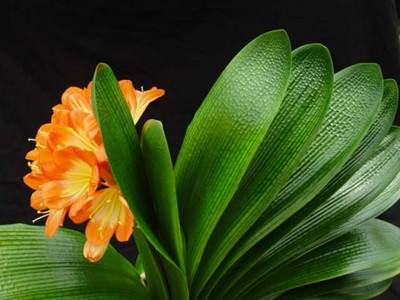
A Comprehensive Analysis of Clivia Appreciation and Evaluation Standards
For many years, when people have purchased mid-to-high-end clivias, they have mostly based their choice on the quality of the leaves, essentially disregarding the flowers and other conditions. Therefore, the clivia appreciation and evaluation standards are of course leaf-oriented. To sum up, there are mainly + criteria
条件筛选