-

The Benefits and Effects of Black Locust Flowers and Container Care and Management Methods
Today we look at a plant with a rather unique form in the plant kingdom, the black locust flower (Robinia pseudoacacia). It belongs to the Fabaceae family, and after it blooms it has an ever-changing palette, sometimes appearing yellow, sometimes appearing orange, giving people an unusual romantic feeling. The flower language of the black locust flower represents praise and declaration, and it can be given to a lover
-

Can potted thyme be kept at home? Learn about its benefits and effects
Thyme is a low-growing plant with green leaves. Its flowers are small and delicate, with pale purple petals surrounding golden yellow stamens, and its fragrance is fresh and long-lasting. It can be used in cooking to enhance food, and as medicine to support human health. Thyme is a herb with strong adaptability and easy cultivation, and it can not only be grown outdoors
-

Is passion fruit a "hot" or "cool" food, and what are its benefits and effects?
Passion fruit, also known as Passiflora edulis, is a vine originating from tropical and subtropical regions. Its nature is mild, being neither hot nor cold. The fruit is shaped like an egg; when ripe, the skin turns purplish-red, and inside is a yellow or orange-yellow gelatinous pulp studded with black seeds. The juice is plentiful, with a
-
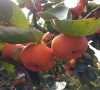
What are the benefits and effects of persimmons and which foods should not be eaten with them?
The persimmon family is very large, with the common types being soft persimmons and crisp persimmons. After ripening, soft persimmons have tender, sweet, and glutinous flesh; with a gentle suck, the sweet juice spreads through the mouth, such as Fuyu persimmons and Jiro persimmons. Crisp persimmons, on the other hand, have a crisp texture and are refreshingly sweet and delicious, with the oxheart persimmon being a representative example. Persimmons are rich in various nutrients, and their
-

Can bell peppers be eaten raw? A full analysis of their benefits, effects, and nutritional value
Bell peppers, as the name suggests, are best known for their most striking feature: their brilliant colors. Common bell pepper colors include red, yellow, orange, and green, and these vivid hues give them extremely high recognizability. The shape of bell peppers is usually lantern-like or oblong. The size of the fruit varies by variety, but they generally have a plump, round appearance, whether
-

What are the symbolic meanings and effects of the ginkgo tree?
The ginkgo tree is a highly distinctive ancient tree species. The ginkgo is a deciduous tree in the family Ginkgoaceae, genus Ginkgo. Its trunk is straight, with grayish-brown bark that has irregular vertical fissures, and mature trees can reach dozens of meters in height. Its fan-shaped leaves are pale green with long stalks, and in autumn they turn golden yellow like golden fans hanging from the branches, dazzling in the sunlight, with great ornamental value. The ginkgo tree is
-

Can Tradescantia spathacea (Moses-in-the-cradle) be eaten? Understanding its benefits and effects
Tradescantia spathacea, a plant whose name alone sounds full of mystery and health. Generally speaking, fresh Tradescantia spathacea leaves are not recommended for consumption, because they may contain components harmful to the human body and cause poisoning. However, after specific processing, such as drying its tender leaves into dried vegetables, Tradescantia spathacea can be safely eaten.
-

The Benefits and Effects of Blueberries, Plus Potted Planting Methods and Precautions
Blueberries, a small and lovely yet charming fruit. They are not only delicious but also rich in nutritional value and various benefits. From a nutritional standpoint, the anthocyanins in blueberries have outstanding antioxidant properties, effectively resisting damage from free radicals, thereby slowing the aging process and protecting cellular health. In addition, blue
-
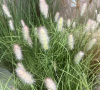
Is foxtail grass a medicinal herb? A detailed explanation of its effects and uses
In our childhood memories, the furry figure of foxtail grass was always everywhere. Foxtail grass, scientifically named Setaria viridis, is an extremely common wild grass. Its stems are thin, yet it has tenacious vitality; no matter the wind or rain, it can stand upright. The curved, foxtail-like inflorescence at the top, furry
-

The Benefits and Effects of Stephania delavayi, plus Pot Cultivation Methods and Tips
Today we introduce a famous traditional Chinese medicinal plant, "Shanwugui", also known as "Dirong", a herbaceous deciduous vine whose main medicinal value lies in dispersing blood stasis, reducing swelling, and relieving pain. In appearance, its root system forms a very large, flat, spherical tuber, while its leaves are elliptical, and the leaf veins have irregular tortoise-shell-like cracks, so
条件筛选