-
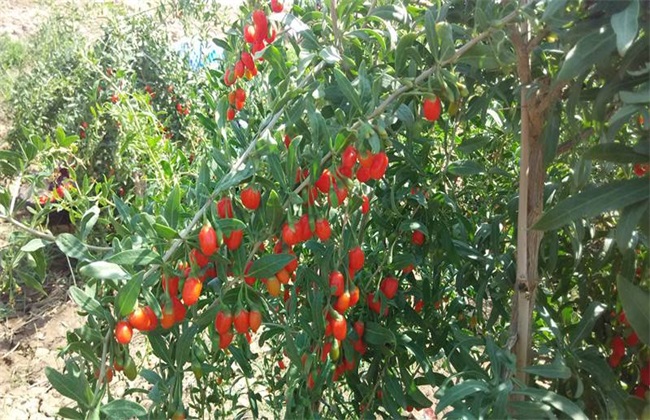
What Are the Benefits and Effects of Topdressing Foliar Fertilizer on Goji Berry
Benefits of Topdressing Foliar Fertilizer on Goji Berry
-

Harvesting, Processing Methods and Medicinal Effects of Polygonatum
Harvesting and processing: Polygonatum grown from transplanted rhizomes is harvested after 1 to 2 years, while plants grown from seed are harvested after 3 to 4 years. In late autumn or early spring, dig out the rhizomes, wash off the soil, remove the fibrous roots and diseased scars, steam for 10 to 20 minutes (until thoroughly steamed), take them out and dry them in the sun, kneading them while drying; after 7 to 10 days of sun-drying they will be dry. Medicinal effects: Polygonatum is sweet in flavor and neutral in nature. It enters the spleen, lung and kidney meridians. It has the effects of tonifying the spleen and moistening the lungs, nourishing yin and promoting fluid production, tonifying the middle and replenishing qi, and strengthening the tendons and bones. It treats consumptive damage with alternating cold and heat, pulmonary tuberculosis with coughing of blood, pulmonary tuberculosis with dry cough and no phlegm, diabetes, hypertension, and post-illness bodily
-
What are the benefits and effects of Angelica sinensis (dong quai)? With commonly used formulas
Dong quai, also known as Qin gui, Yun gui, Xi gui, Quan dong gui, You dong gui, Bai dong gui, Gan gui, and Min gui. Its nature is sweet, pungent, bitter, and warm; it enters the Liver, Heart, Spleen, and Lung meridians, and has effects such as nourishing blood and regulating menstruation, invigorating blood and relieving pain, expelling toxins and promoting tissue regeneration, and relieving cough and calming wheezing. Clinically, dong quai is used to treat many diseases, such as: blood deficiency with sallow complexion, pale lips and nails, dizziness and blurred vision, irregular menstruation, scanty or absent menstruation, dysmenorrhea, excessive menstruation, metrorrhagia and blood in the stools as well as gastrointestinal bleeding, traumatic injuries, blood stasis with swelling and pain, headache, postoperative blood stasis pain, arthralgia with numbness, stroke with hemiplegia, sores and abscesses
-
A Complete Analysis of the Chemical Components, Effects and Pharmacological Actions of Reishi Mushroom
Reishi mushroom [Ganoderma lucidum (Fr.) Karst] is a fungus of the genus Ganoderma in the class Basidiomycetes. Since ancient times it has been known as the "immortal herb" and "auspicious herb". It is a precious traditional Chinese medicine for strengthening the vital essence and consolidating the constitution, and for nourishing and invigorating the body. It has a long history of medicinal use in our country and extremely high medicinal value, and is regarded as a precious Chinese medicinal material and a treasure in the treasury of traditional Chinese medicine. In the Eastern Han dynasty, the (Shennong Bencao Jing) listed reishi mushroom as a top-grade substance, holding that "taken over a long time, it lightens the body, prevents aging, and prolongs life like an immortal." Modern medicine has proven that reishi mushroom contains a variety of physiological
-
What pharmacological effects does goji berry have? A detailed explanation in one article
Goji berry is a deciduous shrub, with a tree height of 1.5 m-2 m and a growth period of 35-50 years. It bears small eggplant-red or pale red flowers and produces bright red fruits the size of jujube pits. It is a rare and precious traditional Chinese medicinal herb and a fine tonic, with effects of tonifying, treating deficiency, anti-aging, protecting the liver, and promoting and regulating immune function. As a medicinal material, goji berry has a long history in China. In addition to the records in the Book of Songs, Su Dongpo of the Song Dynasty wrote in the poem "Xiaopu Goji": "Roots, stems, flowers, and fruits, nothing is discarded when gathered,"
-
What are the main medical effects of Codonopsis pilosula?
Medical effects of Codonopsis pilosula. Codonopsis pilosula is sweet in flavour and neutral in nature, entering the spleen and lung meridians. It has the effects of tonifying the middle and boosting qi, strengthening the spleen and benefiting the lungs, and quenching thirst and promoting fluid production. It is used to treat conditions such as weakness of the spleen and lungs, weakness of the spleen and stomach, insufficiency of lung qi, shortness of breath and palpitations, poor appetite and loose stools, asthmatic cough due to deficiency, internal heat with wasting-thirst, and fatigue and weakness. It is a commonly used tonic and strengthening medicine.
-
What are the medicinal values of Codonopsis pilosula? A detailed explanation of its effects and functions
The root of Codonopsis pilosula (poor man's ginseng) is used as medicine; it is sweet in taste and neutral in nature. It has the functions of tonifying the spleen and replenishing qi, quenching thirst and promoting fluid production, and is used to treat weakness of the spleen and stomach, insufficiency of lung qi, fatigue and weakness, shortness of breath with wheezing and coughing, weak voice, dizziness and palpitations due to blood deficiency, dry tongue due to depletion of fluids, thirst, and other conditions. The cultivation history of Codonopsis pilosula is relatively short, and no record of cultivated Codonopsis pilosula has been seen in the materia medica of past dynasties. Shanxi Province was the earliest to cultivate Codonopsis pilosula artificially. Changzhi County, Shanxi Province, is the "hometown of Codonopsis pilosula" in China.
-

What medicinal herb is Bletilla striata? An introduction to its effects and uses
What medicinal herb is Bletilla striata?
条件筛选