-
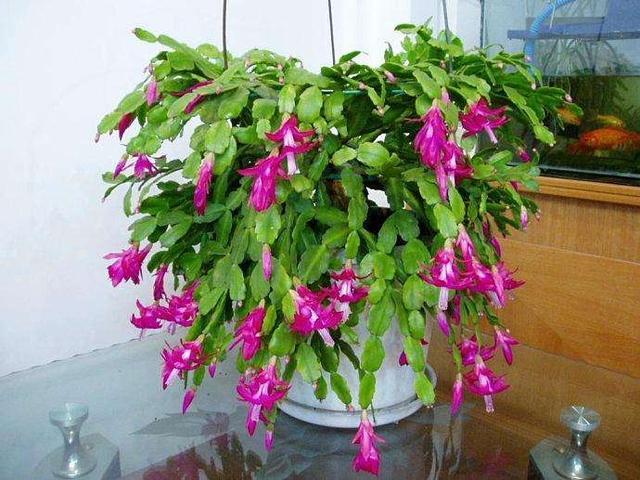
How to make homemade flower fertilizer from fruit peels, so you never have to worry about fertilizer for your plants again
Growing some flowering plants at home not only purifies indoor air but also makes your living space more full of life. But if you want to grow the plants well, you also need to apply some appropriate amount of flower fertilizer to them, so we can use leftover...
-
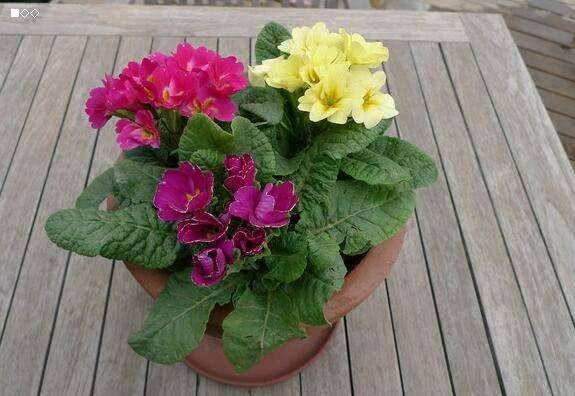
Flowers love banana peels; after eating them, the leaves turn so green they could drip water
Bananas contain a variety of trace elements and vitamins, can help us relax our muscles, make people feel happy both physically and mentally, and have a certain weight-loss effect. They are a very common fruit in our daily lives. After eating a banana, people usually just throw the peel away, ...
-
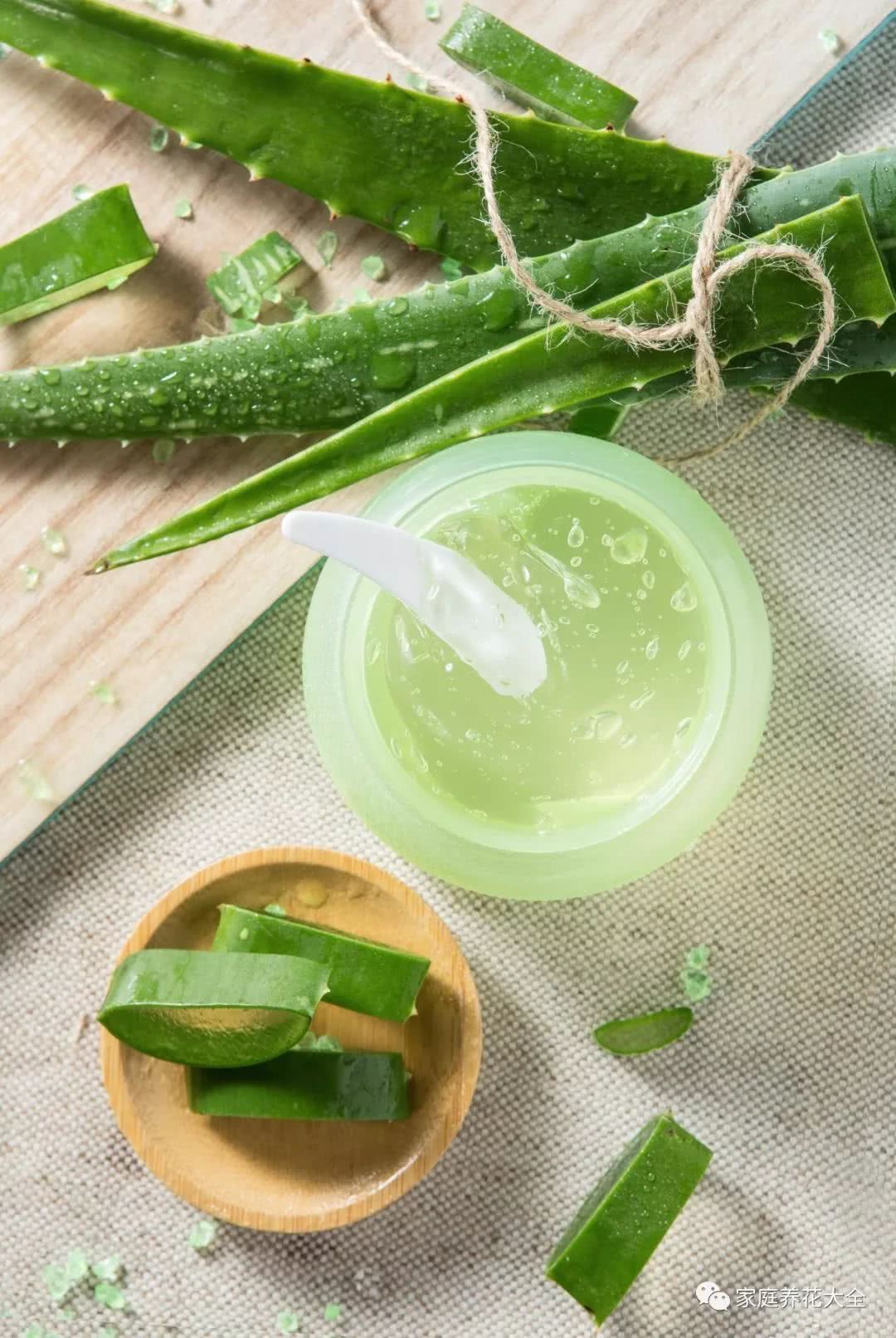
3 kinds of fruit peels make flower fertilizer, 10 times better than fertilizer, so simple even a child can do it
When we usually grow flowers, we all know that fertilizer is needed. The nutrients in fertilizer can not only promote plant growth, but also enhance soil fertility and make flowers grow better! Of course, fertilizer can not only be bought but also made by yourself. Today...
-
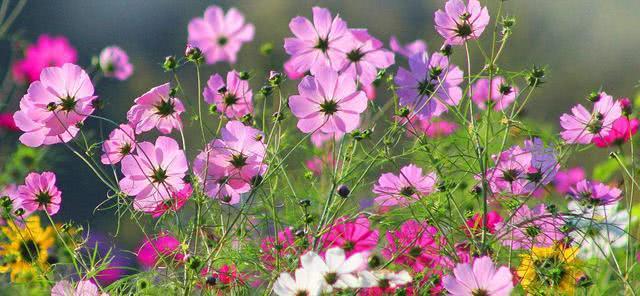
Reuse banana peels like this for even more vibrant bonsai
Bananas are a fruit everyone loves to eat. They taste especially sweet and also help cleanse the intestines and relieve constipation, so we all enjoy eating them. Best of all, you just peel one and can eat it right away, with no need to peel off a skin, and it is very sim...
-
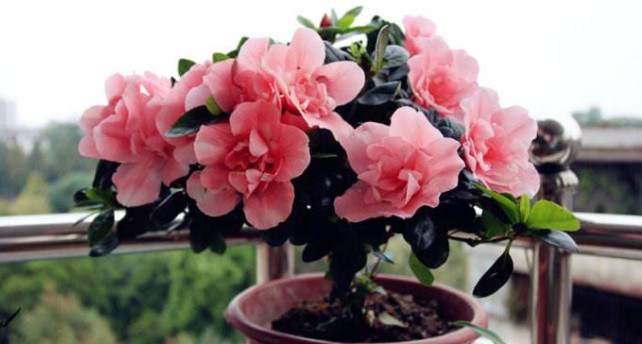
Don't throw away orange peels; use them to grow flowers and the effect is even better than flower fertilizer, and they can also repel pests
As living standards continue to rise, more and more friends nowadays like to keep some potted plants at home, and in the process of caring for potted plants, fertilizing is an indispensable step to keep the flowers and plants green and lush. Besides buying...
-

Disease Outbreaks and Emergency Treatment After Introducing Inferior Quality Rice Field Eels into Eel Ponds or Net Cages
(1) Disease outbreak situation: After inferior quality rice field eels are introduced into eel cages or eel ponds, they generally develop disease within 2 to 7 days, and mass mortality occurs around 12 days. When disease breaks out, a method combining Chinese herbal medicine and chemical fishery drugs should be used for treatment to control the infection. (2) Emergency handling: ① Search for and remove floating-head eels, exposed-body eels, and dead eels 2 to 3 times during the daytime each day; ② Change the water once every morning and thoroughly inspect for and remove dead eels; ③ At night each day, use electric light for illumination and search for and remove diseased eels from aquatic plants 1 to 2 times.
-
How to Improve the Body Color of Adult Eels? A Detailed Guide to Practical Methods
Eel body color plays a decisive role in sales. Raising eels with good body color is the eager hope of all farmers and a topic that many feed manufacturers have been exploring. To solve the problem of eel body color, you must first understand the causes of eel body color and the factors that affect it. The production of eel body color: Eel body color is mainly the result of the combined action of various factors such as carotenoids, melanin, pterins and guanine. Factors affecting eel body color: 1. Oils, antioxidants
-
How to select brood rice field eels? Detailed selection methods and techniques
To select seedlings with high egg production, high fertilization rate and hatching rate, and good quality, you must choose rice field eels (Monopterus albus) of a certain age and body weight, with a strong constitution and no serious diseases or external injuries, as brood eels. In the non-breeding season, female and male eels are difficult to distinguish by appearance, so they are generally selected and retained by body length. When the body length of the rice field eel is 20 cm-35 cm, the vast majority are female eels, and when the body length is above 45 cm, most are male eels. Under normal circumstances, they can be selected and retained in a 3:1 ratio according to the above two body length groups.
-
What is the relationship between diseases of eels raised in earthen ponds and the water environment?
The water environment is the decisive factor in eel farming. The water environment not only determines whether eels can be farmed, but also directly affects the level of production and ultimately the economic benefits of farming. Therefore, only by improving the water environment can eels be farmed well. The following analysis focuses on the relationship between eel diseases and the water environment from the following aspects. 1. pH level. The pH value in water is an important comprehensive water quality indicator, and it directly affects the physiological condition of eels. When the biological, chemical or physical components in the water body change, they will all be reflected in the pH value. Eels in earthen ponds require the pond water
-
What do river eels eat? A detailed explanation of the taming and feeding method
River eels are carnivorous fish. Generally speaking, river eels feed on mussels, shellfish, clams, fish, shrimp, and animal carcasses. In artificial rearing, formulated feed can be provided, but the protein content must be above 45%. River eels are nocturnal animals and mainly forage for small natural animals. In artificial rearing, the stocking density is high, and natural bait alone cannot meet their needs, so artificial feed must be provided as a supplement. When artificial feed is first introduced, river eels are not accustomed to it and do not come to eat, so a "taming and feeding" stage is necessary to get them used to eating artificial feed and to develop the habit of feeding at fixed times and fixed locations.
条件筛选