-

Can Climbing Groundsel Clear Heat and Detoxify? Can It Treat Eczema? An Analysis of Its Uses, Side Effects and Six Major Benefits
As the saying goes, "Know climbing groundsel, and you'll never have sores in your life," which shows that climbing groundsel has a very good curative effect on scabies. Not only that, climbing groundsel also has effects such as clearing heat, detoxifying and relieving itching, so it is widely used as a medicinal material. At present, it is cultivated in Shaanxi, Guangxi, Sichuan and other places in China.
-
How much is mugwort leaf per jin? A detailed explanation of its efficacy in treating eczema and the difference between dried and fresh mugwort leaves
Mugwort leaf, also known as mugwort and garden wormwood, is the leaf of the Artemisia plant of the Asteraceae family. Because of its high medicinal value, it is widely used as a medicinal material. At present, many people like to use it for moxibustion, treating gout, etc. So how much is the market price of mugwort leaf per jin? Can it treat eczema? Dried mugwort leaf and fresh
-
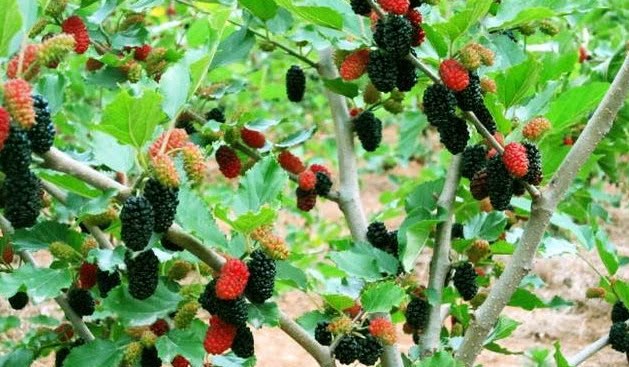
4 soups to help you remove dampness, making eczema disappear completely, remember to save this
Lily and mulberry juice: made by simmering lily, Chinese white olive, mulberry, jujube and white sugar together, it can clear heat and moisten the lungs, and also remove dampness and relieve itching, mainly used to treat eczema caused by damp-heat. Plantain leaf drink: made with plantain herb, coix seed, winter...
-
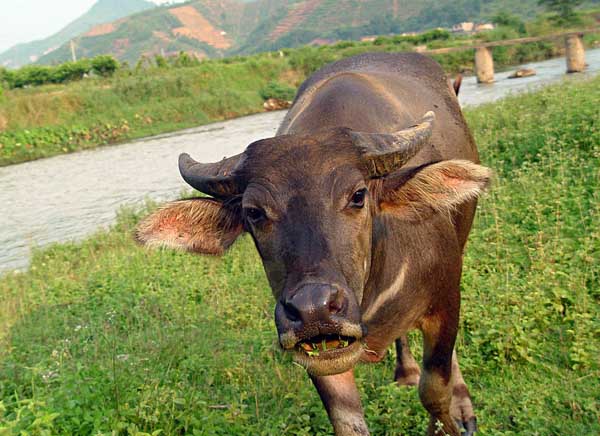
How to prevent and treat bovine eczema? Practical methods explained in one go
Bovine eczema prevention and treatment methods
-
A Complete Analysis of Traditional Chinese and Western Medicine Prevention and Treatment Methods for Pig Eczema
1. Dual flowers (honeysuckle and chrysanthemum) and Isatis root 200 g each, grind into powder and feed to pigs; externally take an appropriate amount of loofah leaves, crush and squeeze juice to rub the affected area, 2 times a day. 2. Fresh Eclipta prostrata 500 g, borneol 10 g. Crush fresh Eclipta prostrata and add borneol, use gauze to press out the juice, then apply the juice to the cracked skin or the affected area of impetigo, 3 times a day, for 2-3 consecutive days. 3. Yinchen (Artemisia capillaris) and honeysuckle 60 g each, decoct in water for oral administration; wash the affected area with 2%-3% alum, 2 times a day. 4. An appropriate amount of Chinese tallow tree leaves
-
How to treat pig eczema, which occurs frequently in summer
Eczema is a skin disease that occurs frequently in pigs in summer. The main symptoms of acute and chronic eczema are red patches, papules and itching on the skin, and a few cases are accompanied by pustules, oozing, erosion and scabbing. It is especially harmful to suckling piglets. According to practical experience in production, treatment with mirabilite has a special effect. Method: according to the size of the pig and the area of the affected part, take 50-200 grams of mirabilite respectively, add 200-500 milliliters of cooled boiled water, and after it dissolves, apply it to the affected part, 4-5 times a day, or use a clean towel to dip the liquid and wet the affected area,
-
Pig eczema is prone to occur in hot weather, farmers should pay attention to prevention
In the hot summer, many pigs often suffer from eczema. Affected pigs develop flat papules the size of millet grains, rice grains, or even peas on the ear base, chest, lower abdomen, and inner sides of the four limbs; some turn red, some form small vesicles or small pustules, and some form bran-like black scabs. The affected pigs show reduced appetite, indigestion, and listlessness, severely affecting their growth and development. There are many causes of pig eczema, such as unsanitary, dark and damp pig pens, unclean pig skin, insect bites, chemical irritation, as well as chronic digestive tract diseases,
-
What is dog eczema? A detailed explanation of a common surgical disease in dogs
[Causes]First, it is frequently irritated by various factors, such as moisture, insect stings, and irritants in dirt. Second, feeding and management conditions are also closely related to the occurrence of the disease, especially the unsaturated fatty acids in fish, which have a strong relationship with the occurrence of eczema. Excessive intake of carbohydrates makes eczema more likely to occur. The disease also occurs more often in seasons with higher temperatures and greater humidity. In China, it occurs most in summer and autumn, especially from May to September.[Key points for diagnosis]Eczema is prone
-
A Highly Effective Method of Using Mirabilite to Treat Pig Eczema
Eczema is a skin disease that occurs frequently in pigs in autumn. Acute and chronic eczema has the main symptoms of erythema, papules, and itching on the skin, and a few cases are accompanied by pustules, exudate, erosion, and scabbing, and it is especially harmful to suckling piglets. Based on practical experience in production, treatment with mirabilite has a highly effective result. Method: according to the size of the pig and the area of the affected part, take 50-200 grams of mirabilite respectively, add 200-500 milliliters of cold boiled water, and after dissolving, apply and rub the affected part, 4-5 times a day, or use a clean towel to dip the liquid and wipe the affected area, for half an hour each day,
-
Pig eczema is highly prevalent in summer, and farmers must take strict precautions
Pig eczema, also known as pig damp-toxin disease, is mainly caused by pigs living in a damp environment for a long time. It is generally most severe during the high-temperature seasons of summer and autumn. Symptoms: affected pigs mostly develop the disease suddenly; at the beginning, the skin under the jaw, on the abdomen and on both sides of the perineum turns red, with broad bean-sized nodules appearing, and the pigs are restless due to itching. As the condition worsens, blisters and papules appear, and after they rupture they are often accompanied by yellow exudate, scabs and scales. If acute cases are not treated in time, they often become chronic, with the pig's skin becoming thick and rough and itching, and the pigs often rub against walls or trees to relieve the itching, leading to loss of hair over the whole body.
条件筛选