How to prevent and treat bovine eczema? Practical methods explained in one go
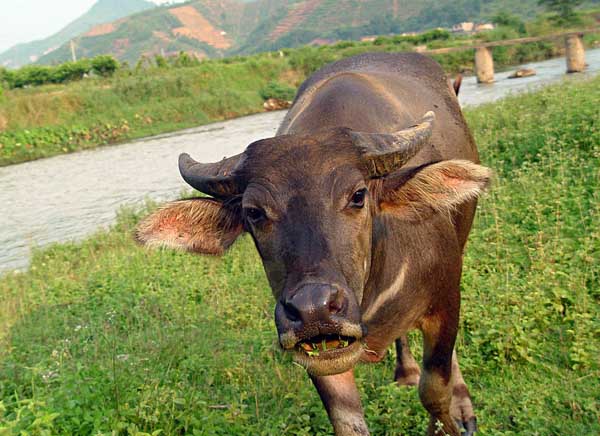
Bovine eczema is an inflammatory reaction of epithelial cells to stimulation by allergenic substances, which exist in the external environment. The disease can occur in all four seasons, and the incidence rate increases somewhat when the weather is hot in summer. Some environmental factors can cause it, such as constant dampness, continuous sweating, an unclean environment, and the accumulation of dirt on the skin. Frequent itching caused by the presence of external parasites also makes animals susceptible to the disease.
Causes of bovine eczema
Eczema occurs when bovine skin cells come into contact with allergenic substances. Those that directly contact the skin are called exogenous allergens, including external parasites, soap and certain antibacterial cleaning agents. Those carried to the skin by the blood are called endogenous allergens, including ingested proteins or substances formed in the intestinal tract, which enter the blood circulation through intestinal absorption.
Symptoms of bovine eczema
True eczema is relatively rare. In the acute type, large patches of erythema can first be seen, followed by small blisters; the small blisters rupture and exude fluid on the surface, then form scabs. Skin lesions may be scattered or large and diffuse, and in some cases may be symmetrical. After the acute phase, it may become chronic eczema. In chronic eczema, due to itching and rubbing, hair loss occurs, with scaling and skin thickening, but the skin remains intact.
Treatment of bovine eczema
The basis of treating bovine eczema is to avoid contact with allergenic substances. Because detecting the allergens is often impossible, only etiological methods can be adopted, including improving environmental hygiene, changing feed and bedding, expelling internal and external parasites, and avoiding dampness and unnecessary irritation to protect the skin. In the early acute stage, keep the cattle quiet and prevent skin damage caused by itching. Antihistamine preparations have a good effect on acute cases. Non-specific protein injections, including autologous whole blood or boiled skim milk, and cortisone preparations can also promote recovery. Local treatment can be carried out according to the stage of disease development. In the early stage, astringent and bactericidal lotions can be used, such as boric acid or alum aqueous solution (3-5%) or zinc oxide ointment, applied by washing or smearing on the affected area. In the late scabbing stage, some protective ointments should be used.