-

Identification and control methods for diseases of the Brazilian wood plant
Gray mold control: During cultivation, the soil must be moist and sunlight abundant, and the soil is required to be loose, fertile and well drained, with the wintering temperature not lower than 16°C. When the disease occurs in the rainy season, remove diseased residues, drain promptly after rain, prevent moisture from lingering, and strengthen ventilation and light penetration
-

What are the methods for controlling pests and diseases in mustard greens?
Pest and disease control methods for mustard greens
-
What are the methods for controlling pests and diseases of poinsettia?
1. Poinsettia gray mold Symptoms: After the inflorescence is infected by the pathogen, it initially shows grayish-brown spots, then rapidly wilts and rots. The pathogen then spreads along the flower stalk and begins to damage the flowering branches, causing the young twigs to die, turning yellowish-brown, and often producing grayish-brown mold-like growth on them. Control methods: Maintain a suitable temperature for poinsettia
-
Control Methods for Common Pests and Diseases of the Spider Brake Fern
The spider brake fern is not easily affected by pests and diseases during its growing period. However, when the growing environment has too low a temperature, poor ventilation and light penetration, and too high air humidity, it is highly susceptible to gray mold and damping-off, accompanied by pests such as red spider mites, scale insects, and slugs, causing the plant to develop wilted, drooping leaves, or even die.
-
What are the methods for controlling poinsettia diseases?
1. Gray mold Symptoms: Gray mold often occurs during the winter flowering season. Once there is continuous rainy, sunless weather, gray mold becomes increasingly severe, with brown spots appearing on leaves, branches, and flower clusters, spreading throughout the entire plant as the disease worsens. Control methods: In winter, cultivation management should be strengthened.
-
One of the Diseases of Yucca: Leaf Spot in Detail
Development Pattern The pathogen of leaf spot usually overwinters on diseased plant debris. The pathogen may spread and infect in greenhouses, glasshouses, fields, and household potted plants during rainy weather and when water splashes during watering; their microscopic size allows them to enter the plant through wounds or stomata.
-
Detailed Guide to Anthracnose in Yucca elephantipes: Common Diseases Part Two
Pathogenesis The pathogen overwinters on diseased plant debris in various ways. Primary infection and secondary infection occur in the following year, during splash watering. After lesions form, the pathogen is continuously produced, causing repeated secondary infections and creating a vicious cycle of disease. The disease is more likely to occur in hot, rainy seasons. Symptoms The disease mainly infects leaf tips and margins
-

What are the control methods for pests and diseases of shepherd's purse?
Control methods for pests and diseases of shepherd's purse
-
Common Pests and Diseases of Ming Fern and Their Control Methods
Pest Control During the growth of Ming Fern, hot and dry seasons are encountered, and at this time the main pests are predominantly red spider mites and scale insects, which must be controlled by spraying pesticides. For whiteflies and scale insects, omethoate emulsifiable concentrate can be used in the appropriate ratio to eliminate the pests. Pest control requires emphasis on prevention.
-
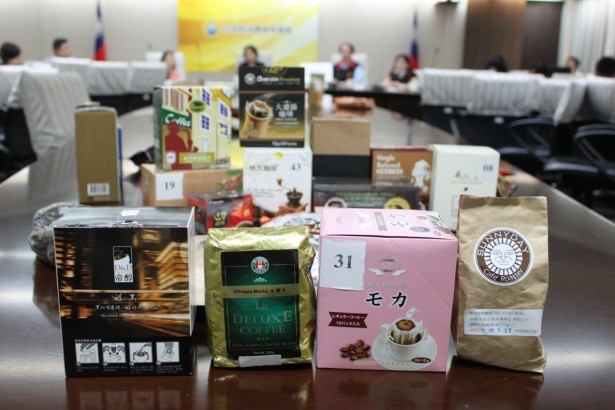
Nearly 10% of commercially sold coffee tests positive for ochratoxin; Consumer Protection Committee releases inspection results
Executive Yuan Consumer Protection Committee announces that nearly 10% of commercially sold coffee samples tested positive for ochratoxin
条件筛选