-

Detailed Explanation of Key Technical Points for Silkworm Disease Prevention and Control
In the process of rearing silkworms, the occurrence of silkworm diseases is closely related to the constitution of the larvae, pathogens, and environmental conditions. Silkworm farmers who do not thoroughly disinfect the rearing rooms and tools, who manage the rearing period with extensive techniques, and who provide poor environmental conditions create factors unfavorable to larval growth and development. These factors easily lead to invasion by pathogenic microorganisms, causing a decline in larval constitution and resulting in disease, which leads to mass outbreaks of illness in the larvae and causes significant economic losses for silkworm farmers. To effectively control the occurrence of larval diseases during the silkworm larval rearing period,
-
Diagnosis and Treatment Methods for Stroke and Dry Paw Disease in Raccoon Dogs
The main cause of stroke in raccoon dogs is nutritional imbalance. Excessively high protein or poor-quality protein ingredients can cause liver and kidney stroke, and an imbalance of calcium and phosphorus can also cause kidney gout. Nutrients are not better the higher the amount; what matters is the appropriate level and the balance between them. The causes of dry paws are nutritional deficiency (mainly protein, vitamins, and trace elements) or imbalance, parasite and fungal infections, and lack of water, all of which can easily lead to dry paws. It is recommended to adjust the daily diet, supplement part of the high-quality protein, and pay attention to adding 1% special premix for fox and raccoon dog
-
How to care for roses in autumn? Disease prevention and growth promotion are key
After autumn, roses once again enter a peak growth period. However, some roses begin to show yellowing leaves with black spots in the middle; in mild cases a few leaves drop from the base, in severe cases all leaves fall off, and flower buds drop before opening. This is mainly caused by improper management. In autumn, excessive water easily causes rose diseases, mainly black spot disease. In addition, if the potting soil is frequently too wet, the roots have difficulty breathing, which in turn causes "complications" that make flower buds wither and drop. The remedy is to promptly remove diseased leaves and branches and destroy them to prevent
-
Symptom Identification and Control Methods of Spruce Rust Disease
Spruce rust disease is distributed only in the **Tianshan region. The disease has a high incidence rate, but few diseased cones. Infected cones stop growing and quickly die. Symptoms: The disease affects the scales of both female and male cones. Infected female cones are slender and small, curved, with open scales; the bracts become lanceolate, and the cones turn yellow and stop growing. The scales are small, yellow, and bear orange-red protruding telial pustules. Pathogen: The pathogen is Chrysomyxa deformans (Diet.) Jacz.
-
What are the main pests and diseases of dawn redwood (Metasequoia glyptostroboides)? A full analysis of control methods
Damping-off (seedling blight): after leaf fall in autumn, promptly clear away and dispose of fallen leaves, then spray the ground with 3-5Be lime-sulfur mixture. Dawn redwood red blight: immediately after the plum rain season ends, spray the canopy with 1% Bordeaux mixture 4-5 times, once every 10-15 days, to control the occurrence of the disease. Tortricid moths: the best control period is the early stage of damage when the larvae emerge from overwintering (early to mid-April); 50% fenitrothion, 40% dimethoate, 80% dichlorvos and pyrethroid insecticides can be used; in dry seasons (July and August) when outbreaks occur
-
How to increase the yield of edible mushrooms? Introduction to practical methods
1. Scratching method: When the mycelium has covered the surface of the substrate, gently sweep a clean bamboo broom back and forth over the substrate surface to remove or break up the spindly surface mycelium and old mycelium. After new mycelium is exposed, spray water and cover with plastic film to retain moisture and warmth; primordia will appear and mushrooms will fruit in about 7 days, generally increasing the yield by about 10%. 2. Startling method: After the substrate is fully covered with mycelium, press and pat the substrate surface with flexible wooden slats to vibrate it. When doing this, apply force evenly, do not leave deep marks, and do not damage the substrate surface. This can promote accelerated mycelial growth and rapid differentiation of fruiting bodies. This method is suitable for shiitake (Lentinula edodes), oyster mushroom (Pleurotus ostreatus), phoenix mushroom
-
Control Methods and Technical Key Points for Cotton "Double Rot" Disease
Rotten bolls and rotten peaches are common, frequently occurring diseases of cotton that seriously affect cotton yield and quality. People customarily call these two diseases "double rot disease." (1) Causes 1. Excessive or too-late application of nitrogen fertilizer causes excessive cotton growth and a closed, shaded field, which weakens the disease resistance of cotton plants. 2. During the flowering and boll stage, cotton encounters heavy rainstorms or excessive autumn rain, field humidity is too high, and drainage is poor, causing pathogens to breed and invade. 3. Cotton is attacked by red rot, anthracnose, boll blight, and other diseases. (2
-
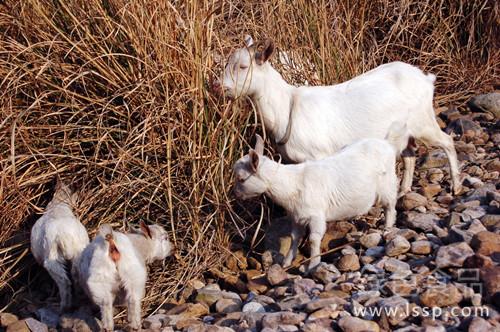
Lamb with arched back, lying down, weak limbs, not moving? White muscle disease prevention and treatment methods are here
Arched back, preferring to lie down, weak limbs, not moving: prevention and treatment methods for lamb white muscle disease
-
Which diseases cause high fever in pigs without purple patches on the skin?
1. Japanese encephalitis: The body temperature of affected pigs is 40-41°C, with teeth grinding, circling, visual impairment, and blind charging. Sows abort, and boars develop orchitis, which gradually atrophies and hardens, causing loss of breeding ability. For treatment and drug prevention, antiviral preparations such as amantadine and ribavirin combined with interferon, along with traditional Chinese medicine preparations for clearing heat and detoxifying, and antipyretic-analgesic preparations, should be used together, which has a certain therapeutic effect. 2. Pseudorabies: It mostly occurs in piglets aged 1-4 weeks, and piglets over 60 days of age show mild symptoms. Body temperature is 41-42°C. In the early stage of the disease, the pigs are restless and excitable
-
What are the common methods for preventing and treating diseases in sheep raised in spring?
Acute bloat: Because sheep are fed hay for a long time during winter housing, they are prone to overeating when they occasionally eat green grass in spring. The green grass ferments acutely in the stomach, producing a large amount of gas, which expands the rumen. If rescue is not timely or the rescue method is improper, it can cause the sheep to die. Rescue method: insert a section of willow stick into the sheep's mouth, tie both ends with rope to the sheep's head, let the sheep chew, and at the same time massage its left flank with your hand to help release the gas. You can also peel the paper off 5~10 cigarettes, divide the tobacco shreds into two portions and stuff them into the sheep's mouth; mild cases recover 1 hour after eating. You can also use
条件筛选