-

Silkworm droppings work well as rabbit feed, and rabbit farmers should give them a try
Silkworm droppings have high nutritional value, with a crude protein content of 15.4%, second only to wheat bran and higher than rice bran and green grass, making them an excellent feed for livestock and poultry. Feeding silkworm droppings to livestock and poultry often produces very good results. 1. Feeding silkworm droppings to pigs can save large amounts of concentrated feed; pigs gain weight quickly per unit of time and have a high marketable rate. After sows eat silkworm droppings, milk secretion increases. 2. Feeding silkworm droppings to sheep increases the amount of milk secreted and yields more wool; sheep wool length can reach more than 14 cm. 3. Feeding silkworm droppings to cattle can make
-
You can tell what disease a chicken has just by looking at its droppings
Chicken droppings are the end product of digestion in chickens, and many diseases produce characteristic changes in the color and shape of the droppings. Observing changes in chicken droppings is one of the methods for diagnosing disease. If keepers can recognize the abnormal reactions of chicken droppings, they can promptly spot abnormalities in the flock and take measures as early as possible to prevent and treat disease. Veterinarians can also infer the type of disease from changes in chicken droppings, providing a basis for disease diagnosis. Normal chicken droppings are strip-shaped or form a pile when they land, contain a small amount of moisture, have normal white urates at the upper end, and show normal color and shape at the lower end, with scattered dark brown oily cecal droppings mixed in
-
Silkworm droppings are effective as rabbit feed and worth trying for rabbit farmers
Silkworm droppings have high nutritional value, with a crude protein content of 15.4%, second only to wheat bran and higher than rice bran and green grass, making them excellent livestock and poultry feed. Feeding silkworm droppings to livestock and poultry often yields very good results. 1. Feeding silkworm droppings to pigs can save large amounts of concentrated feed; pigs gain weight quickly per unit of time and have a high market rate. After sows eat silkworm droppings, milk secretion increases. 2. Feeding silkworm droppings to sheep increases milk secretion and wool yield, with sheep wool length reaching more than 14 cm. 3. Feeding silkworm droppings to cattle makes farm cattle hardy and improves their constitution. 4.
-
What disease does a chicken have if it passes white watery droppings?
Based on your description, it may be pullorum disease. Pullorum disease is an infectious disease caused by Salmonella pullorum. After newly hatched chicks are infected, they show listlessness, sensitivity to cold, drowsiness, refusal to eat, and difficulty breathing. The vent is often blocked by white pasty droppings, making defecation difficult. If not treated promptly, most die within 2 weeks. Chicks that recover become carrier birds. Adult chickens often have latent infection and generally show no clinical symptoms; in hens, only reduced egg laying or no egg laying is seen, the ova are shrunken, and the contents are greasy in appearance, with severe cases turning pale bluish or lead-black, and sometimes yolk peritonitis also occurs;
-
What is going on with geese pulling white droppings, shaking their heads, coughing and having difficulty breathing?
1. Clinical symptoms: Sick geese are listless, with ruffled feathers, unwilling to move, standing apart and dazed, with reduced appetite or even complete loss of appetite, pulling white or green watery droppings, showing respiratory symptoms such as head shaking and sneezing, and neurological symptoms such as twisted necks, circling and head tilting appearing in the flock. 2. Treatment: 1. Emergency injection of avian influenza-paramyxovirus bivalent yolk antibody, 2 ml per bird. 2. Zhongmu Hudu Kuaike (100 g), two bottles per day, once in the morning and once in the evening, concentrated in drinking water, for 3 consecutive days. 3. Changganqing (100 g
-
What disease is indicated by chickens passing red droppings?
1. Formed droppings with beef-thread-like strands - first generation schizogony stage of coccidia. 2. Orange-red, unformed droppings on the ground - undigested feed enteritis. 3. Purplish-red bloody droppings - cecal coccidiosis. 4. Brown droppings, more in the morning and less in the afternoon - normal. Brown droppings, less in the morning and more in the afternoon - vibrio hepatitis. 5. Bloody droppings from mechanical injury or scratches
-
What do the five colors of chicken droppings each indicate?
1. Red 2. Green 3. White 4. Watery 5. Feed-colored Red droppings 1. Formed, with beef-thread-like strands, coccidia first-generation schizogony stage 2. Orange-red, falls to the ground unformed, undigested feed, enteritis 3. Purplish-red bloody droppings, cecal coccidiosis 4. Brown droppings, more in the morning, less in the afternoon, normal; brown droppings, less in the morning, more in the afternoon, vibrio hepatitis 5. Bloody droppings, mechanical injury or scratch Green
-
Is it really necessary to clean rabbit droppings once every day?
Teacher Xu Shangjin, a skilled rabbit raiser in Heilongjiang, said that he found that rabbit droppings have a thin film on the outside. About ten minutes after the droppings fall onto the dropping board, this thin film dries, and if it is not broken, the droppings do not smell or give off odor! If the system of cleaning droppings once every day is insisted on, it will inevitably cause the droppings to break and give off a foul smell and odor. In addition, it also shows that cleaning droppings in the rabbit house every day will inevitably affect the rest of the rabbit herd. If the rabbits do not rest well, they will not grow well. Therefore, cleaning droppings every day is not recommended, and at the same time, washing the rabbit house with water every day is strictly prohibited. Practice has proved that some large
-
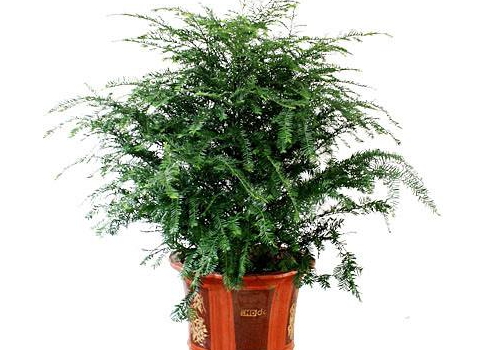
How to Save a Yew with Dry, Dropping Leaves
Many people are growing a yew bonsai for the first time, so they do not know the specific growing methods. How do you save a yew whose leaves have dried up? What should you do when the leaves drop? How to save a yew with dry leaves: A: Severe water imbalance. Yew is drought-tolerant but not waterlogging-tolerant; if waterlogging is severe and the potting soil is too wet, oxygen in the potting soil becomes insufficient.
-
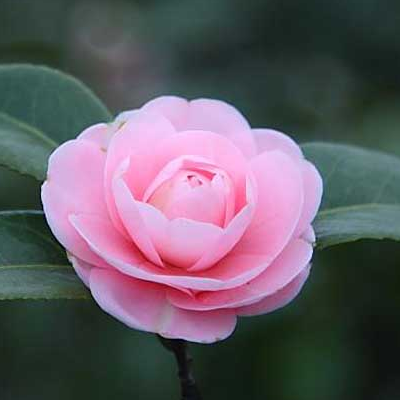
Why Is My Camellia Dropping Leaves? An Introduction to Common Varieties
Camellia is not the name of a single flower; there are many different varieties. So what camellia varieties are there? Why is my camellia dropping leaves? Camellia varieties include: Shibaxueshi (Eighteen Scholars), and the price of Shibaxueshi camellia seedlings is about 10 to 20 yuan. Shibaxueshi is a rare treasure among camellias.
条件筛选