-
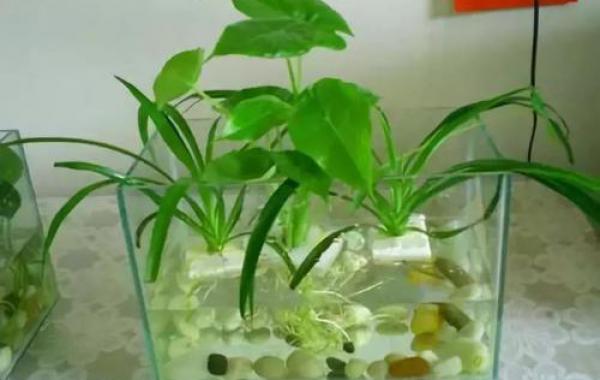
How to change the water for hydroponic flowers in a scientific way? A detailed guide to the correct method
How do you change the water for hydroponic flowers in a scientific way?
-
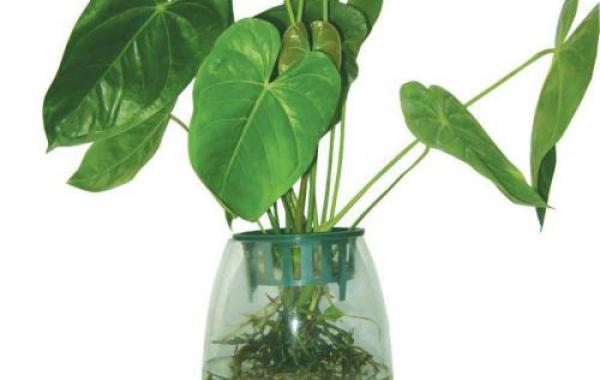
Why do hydroponic flowers need water changes and root washing?
Why do hydroponic flowers need water changes and root washing?
-
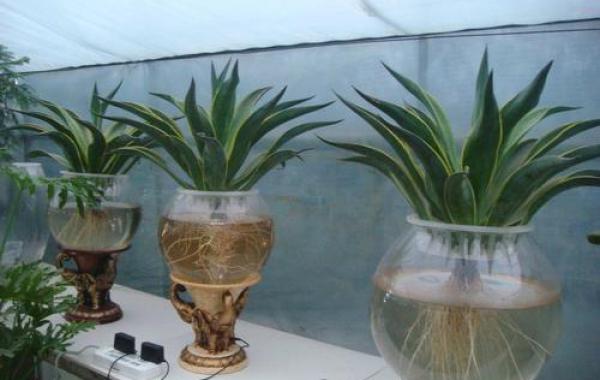
How to use water correctly for hydroponic flowers? A detailed guide to the methods
How to use water for hydroponic flowers
-

How to Treat Chicks with Diarrhea and Watery Droppings? A Guide to Medication Methods for Young Chicks
Young chicks refer to chickens from 0 to 50 days of age, when the chick's body has not yet developed well. If a chick has watery diarrhea, promptly refer to the content below in this article, and based on the shape of the watery droppings the chicken passes, determine the illness the chicken has, and promptly take corresponding treatment measures.
-
How to Treat Diarrhea and Watery Droppings in Pigeons? A Medication Guide for Racing Pigeons
There are many causes of diarrhea in pigeons, and treatment methods require selecting appropriate prevention and control approaches and medications. Under normal circumstances, pigeon droppings are small and firm, with a little bit of white on them. If watery droppings, loose droppings, or scattered droppings appear, the bird is not healthy. Racing pigeon diseases
-
Suitable Growing Environment and Hydroponic Cultivation Tips for Calathea
Calathea, of the Marantaceae family and the genus Calathea, is a perennial herbaceous plant native to South America and has been introduced to Taiwan, China. This species has beautiful leaves and is cultivated for ornamental purposes; the color of the stripes on the leaf surface changes with the growth period, differing between old and young plants. So what environment is suitable for Calathea to grow in? How to cultivate it hydroponically?
-
Radermachera sinica (Bignoniaceae) Care Guide: Growing Methods, Precautions, Watering, and How to Save a Leaf-Dropping Plant
The scientific name of the Radermachera sinica is Radermachera sinica, and it is a common landscaping plant that purifies the air and lifts the mood, so families and offices alike love to grow it. So what are the growing methods and precautions for Radermachera sinica? How often should it be watered? How do you save a plant that is dropping leaves? Radermachera sinica in
-
Is the ornamental tree Aglaia odorata (mock lime) toxic? Cultivation methods, precautions and solutions for leaf drop
Aglaia odorata aliases: Sijimi (four-season Aglaia), Suimi (broken-grain Aglaia). Aglaia odorata is a type of ornamental tree species, with small leaves and small flowers; when it blooms the flowers are extremely fragrant, and it stays evergreen year-round. Because it is easy to grow and carries a delicate fragrance, it is mostly planted in homes. So what are the cultivation methods and precautions for Aglaia
-
Muehlenbeckia complexa: perennial evergreen vine care tips and how to handle yellowing and leaf drop
Muehlenbeckia complexa also known as: Muehlenbeckia, button vine, wire grass, wire knotweed. It belongs to neither the same genus nor the same family as spider plant (Chlorophytum comosum); they are two different plants. Muehlenbeckia complexa is a perennial evergreen vine of the genus Muehlenbeckia in the family Polygonaceae. Its plant form is full, its branches and leaves are graceful, and it has high ornamental value.
-
Why do lizards (geckos) drop their tails and can they regrow them, and how long does it take?
Lizards are commonly known as "four-legged snakes" and are also called "snake's aunt"; they are distributed all over the world. They belong to the cold-blooded reptiles and have a great many species. So what kind of behavior is tail dropping in lizards (geckos)? Can the tail grow back? How long does it take to grow back? What kind of behavior is tail dropping in lizards (geckos)?
条件筛选