-

Large temperature differences in early winter: notes on watering edible fungi and early pest and disease prevention
Large temperature differences in early winter require early prevention of edible fungus pests and diseases
-
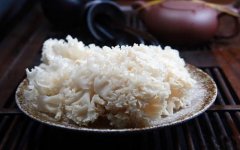
Differences Between Cauliflower Mushroom and Snow Fungus, Price Per Jin and Shelf Life Explained
The superoxide dismutase content in cauliflower mushroom ranks first among all edible fungi, earning it the title of King of Ten Thousand Mushrooms, so its price is relatively high, but artificially cultivated ones are much cheaper. How much is cauliflower mushroom per jin? Jinxiang County, Jining City, Shandong Province
-
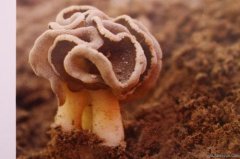
Differences Between Helvella and Morel Mushrooms, Prices and How to Eat Them Explained
How much do Helvella mushrooms cost? Helvella is a very rare type of mushroom, and the price is very high; dried Helvella generally sells on the market for 250 yuan to 500 yuan per jin. Many people mistake Helvella for morel mushrooms, so let's take a look at the differences between them.
-
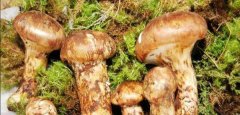
Can matsutake be cultivated artificially? Differences from wild ones and how much per jin
Can matsutake be cultivated artificially? Yes, it can, but artificially cultivated matsutake is very different from wild matsutake, so let's take a look at their differences below. Also, the prices of fresh and dried matsutake. Differences between artificial matsutake and wild matsutake: the color is different; wild matsutake
-
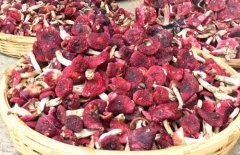
Differences Between Russula vinosa and the Emetic Russula, and Cultivation Techniques
Russula vinosa and the emetic russula are very similar, so how do you tell them apart? Can Russula vinosa be cultivated artificially? What are the cultivation techniques for Russula vinosa? Let's take a look. Russula vinosa and others have fruiting bodies that are generally medium-sized; the emetic russula, also known as the vomiting russula, looks similar to
-
Key points to note during the fruiting period of shiitake mushrooms: regulation of temperature and humidity differences
Increase the day-night temperature difference. In late autumn and early winter, daytime temperatures are high and nighttime temperatures are low. Cover with a layer of film during the day so that the temperature inside the mushroom bed is 2°C-3°C higher than outside the film, then open the film after 10 p.m. so the temperature drops rapidly. After several consecutive days, a large number of primordia will emerge on the surface of the mushroom logs and develop into mushroom buds. Control the humidity of the mushroom yard. After color change, initially maintain the relative humidity of the mushroom bed at about 85%. As large numbers of mushroom buds differentiate into caps and stipes, lower the air humidity to about 80%. Create a suitable dry-wet difference. In the early stage of autumn mushrooms, the internal water content of the mushroom logs is relatively sufficient and can safely
条件筛选