-

A Complete Analysis of the Conditions for Flower Bud Differentiation and the Flowering Mechanism of Phalaenopsis
Many flower lovers bring a Phalaenopsis home and, in less than a week, the plant starts showing yellow leaves, gets waterlogged, or simply dies. In fact, this orchid is completely different from ordinary flowering plants, mainly because its roots are fleshy roots, which are relatively sensitive. If you do not understand its characteristics, you may not be able to grow it well.
-

What is the difference between growing Phalaenopsis orchids indoors and outdoors?
The Phalaenopsis orchid (moth orchid), being a tropical plant, has high requirements for its growing environment. It is neither cold-tolerant nor heat-tolerant, and it has special needs when it comes to light, humidity and other conditions. Therefore, there are clear differences between growing Phalaenopsis indoors and outdoors. The suitable growing temperature for Phalaenopsis is between 18 and 28°C, and in winter it should not go below 15°C.
-
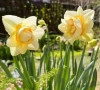
What is the difference between daffodils and tulips?
Many flower enthusiasts often confuse daffodils with tulips. Today, let me explain their differences in detail, so you can tell them apart at a glance next time! Roots and stems: Daffodils have bulbous tubers that look very much like garlic, covered with a layer of brown membranous scales. After peeling it open, you can see layer upon layer of fleshy scales.
-
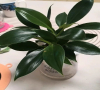
Are Pothos and Golden Pothos the Same Plant? A Breakdown of the Differences
People can look alike, and so can plants, especially greenery. In the flower market, greenery is everywhere you look, and the two best-selling ones are Golden Pothos and Pothos. These two look similar in appearance, both being evergreen foliage plants. For beginner plant lovers, how can you tell them apart fastest? What obvious differences does each have?
-
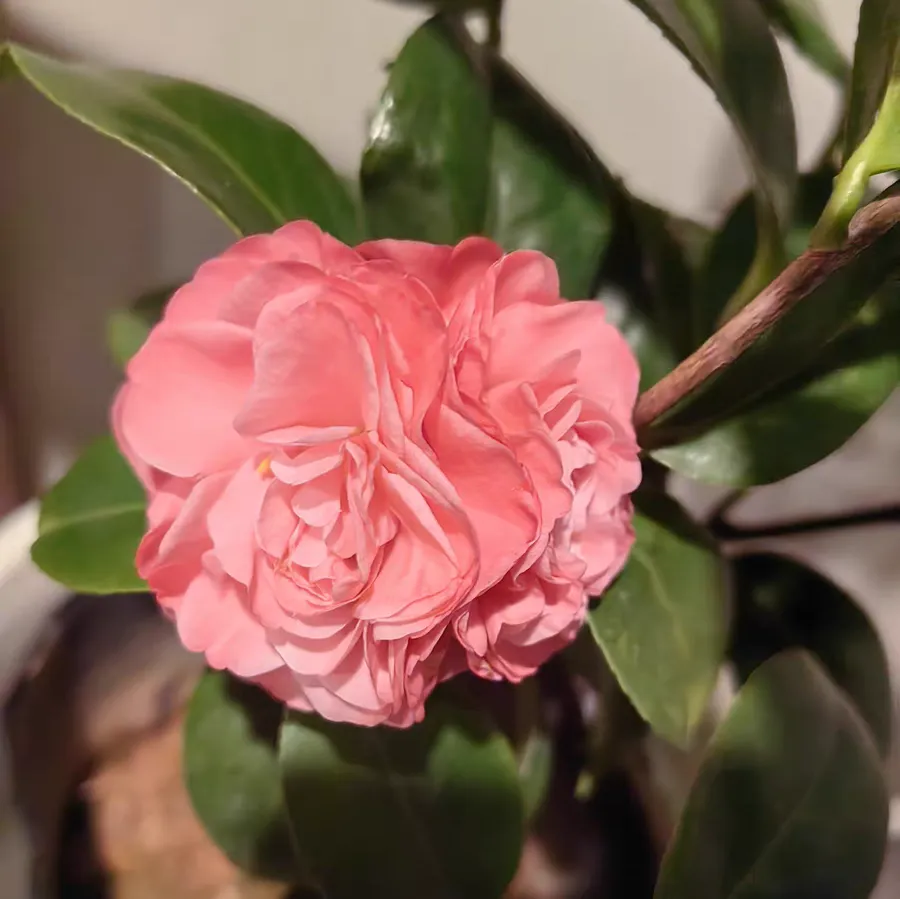
What are the differences between camellias and sasanquas?
In the colorful world of flowers, camellias and sasanquas are often difficult to distinguish due to their similar appearances. However, despite their outward
-
What is the difference between camellia and sasanqua? The two are not the same
In the colorful world of flowers, camellia and sasanqua are often hard to tell apart because of their similar appearance. However, although they look alike, they each show unique charm in many details. 1. Comparison of tree shape and branches and leaves Camellia is known for its tall and upright tree shape, and the height of an adult plant can reach
-
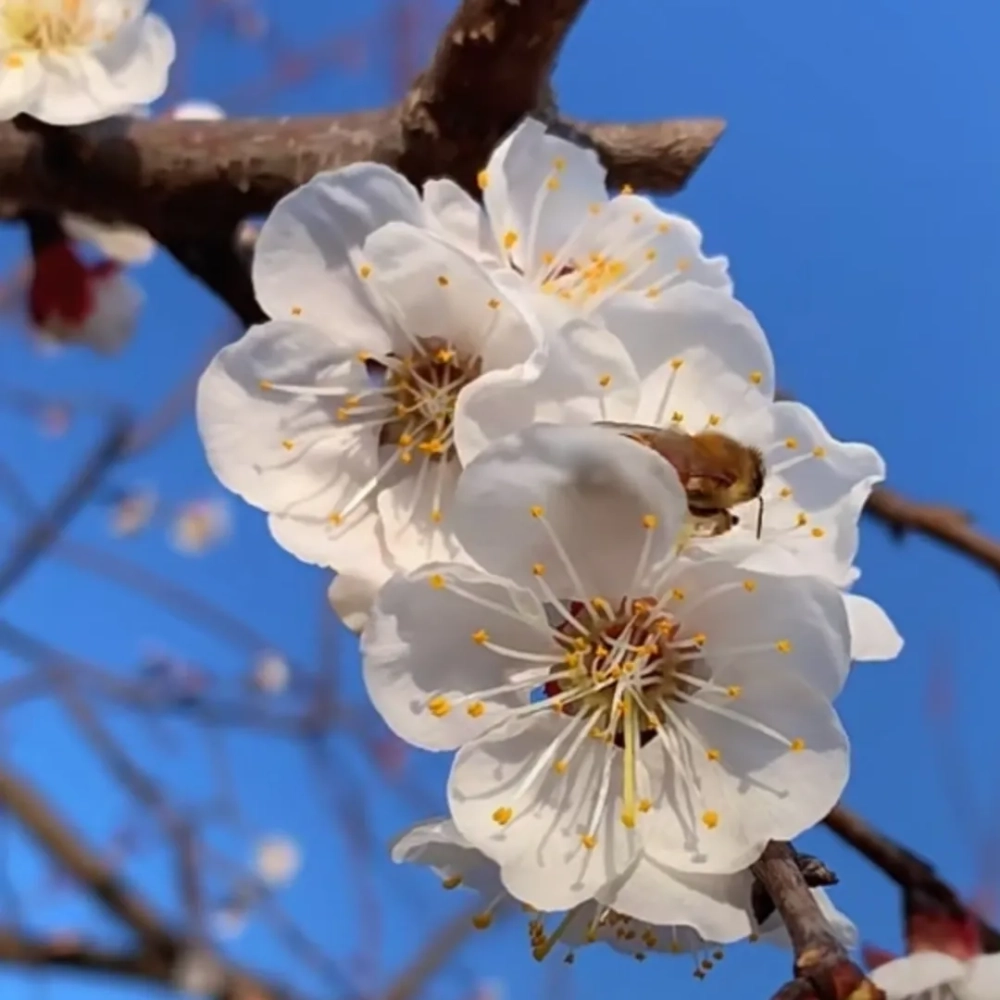
What are the differences between apricot flowers and pear flowers?
In the bright spring, apricot flowers and pear flowers bloom competitively, adding color to the earth. Although they are both white - colored flowers that
-
What is the difference between apricot blossoms and pear blossoms, and which one blooms first?
On a bright spring day, apricot blossoms and pear blossoms bloom in competition, adding color to the earth. Although they are both white-toned flowers that bloom in spring, they differ significantly in botanical characteristics, blooming periods and cultural connotations, each displaying its own unique charm. From the perspective of botanical classification and morphological characteristics, apricot blossom petals are rounded, ovate to nearly circular,
-

What is the difference between lemon balm and mint, and is mint easy to grow?
Usually, when strangers look alike, you can basically tell who is who at a glance, but when plants look alike, you cannot tell them apart right away. This is especially true for friends who have just started growing flowers: as long as the leaves are somewhat similar, they easily mistake them for the same kind of flower, especially herbaceous plants. Among them, lemon balm and mint are the easiest to
-

Differences Between White Fittonia and Pilea and Which Is Easier to Grow
A trip to the flower market is bound to lift your spirits, simply because everywhere you look there are brightly colored plants and flowers, yet it can also leave you at a loss, because there are simply too many types of flowers to choose from that you might like, and every kind of flower has both expensive versions and affordable substitutes, especially the white fittonia (Fittonia) and pilea (Pilea), which look extremely similar, leaving people unsure
条件筛选