-

Causes of Deformed Lion's Mane Mushroom (Hericium erinaceus) and the Latest Control Methods
Lion's mane mushroom (Hericium erinaceus) is a premium edible mushroom with nutritional and health value. As people's living standards rise higher and higher, the demand for it is also growing, and more and more people are cultivating it. However, when cultivating lion's mane mushroom, deformed conditions are found to appear
-
What Causes Deformed Oyster Mushrooms? Causes and Control Methods
Oyster mushrooms are one of the edible fungi we eat regularly in daily life, and they sell extremely well on the market, which attracts many people to grow them. However, managing their cultivation is extremely important. Many growers often encounter the phenomenon of mushroom deformities during cultivation, which is a real headache. So what
-
What causes deformed corn? Latest analysis
Corn deformities can have a huge impact on corn quality and yield, and also cause considerable harm to farmers' economic interests. Corn deformities include bare-tip ears, missing-kernel ears, empty ears, bouquet ears and so on, fifteen types of deformity. Many friends feel they take
-
What Causes Deformed Kiwifruit? Detailed Explanation of Prevention and Control Measures
Kiwifruit is a relatively popular fruit, but in recent years, a large number of deformed fruits have appeared in kiwifruit production, seriously affecting the marketable rate and reducing farmers' economic returns. So what causes deformed kiwifruit? And how should it be prevented and controlled? Follow the editor to
-
How to prevent and control shiitake mushroom deformity disease? A full analysis of the technical points
Shiitake mushrooms come in two kinds, dry and fresh; the fresh ones are a bit cheaper, while the dried ones cost a little more. Shiitake is a common edible fungus in our daily lives, with a delicious taste and relatively high nutritional value, especially suitable for making soup. During the cultivation of shiitake mushrooms, deformity disease easily occurs, so
-
Diagnosis and Treatment of Hoof Deformity in Dairy Cows: A Must-Read for Farmers
Hoof disease in dairy cows is a common disease in dairy production. In mild cases, it causes lameness in dairy cows; in severe cases, it causes paralysis. If not taken seriously, it will increase production costs and reduce economic benefits. Clinical hoof deformity refers to a change in the shape of the dairy cow's hoof. Because hoof deformity occurs
-
How to prevent and treat deformed lion's mane mushrooms
The lion's mane mushroom (scientific name: Hericium erinaceus) is a traditional precious Chinese dish, with tender flesh, fragrant aroma, and delicious taste. It is one of the four famous dishes (lion's mane mushroom, bear paw, sea cucumber, shark fin). It is known as the "mountain delicacy lion's mane mushroom, sea delicacy bird's nest." This fungus of the family Hericiaceae, its
-
How to prevent deformity in winter oyster mushrooms? These measures must be mastered
1. Blue mushroom: During the growth of the fruiting body, a blue halo forms at the edge of the cap, and even the entire fruiting body turns blue-black, without fading until harvest. Preventive measures: For warming measures, methods such as sunlight, heating, and electric heating are preferable. If burning wood or coal is used for warming, closed heat-transfer and smoke-exhaust pipes should be installed, and it is not advisable to build a stove directly in the mushroom house. 2. Big-foot mushroom: After the primordium forms, the differentiation and development speed of the cap is inconsistent, showing only the stipe growing, thick at the bottom and thin at the top, with no mushroom umbrella growing, and the cap
-

Analysis of the Causes of Garlic Deformity and Control Measures
Causes of Garlic Deformity and Control Measures
-
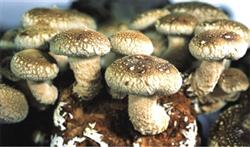
What are the control methods for shiitake mushroom deformity disease?
How do you prevent and control shiitake mushroom deformity disease? Please explain the control methods. During the growth of shiitake fruiting bodies, "candle mushrooms" (stalked with no cap), "pinecone mushrooms" and "lychee mushrooms" (caps clustered together with no stalk or not opening) often appear; these are deformed mutant mushrooms of shiitake and belong to physiological diseases. The control methods include the following...
条件筛选