-
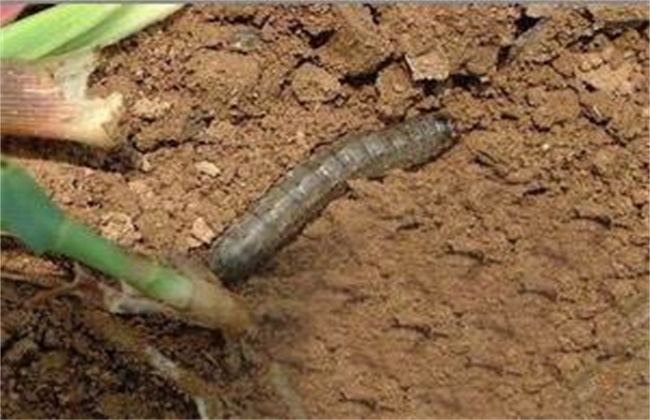
What are the methods for controlling cutworms in corn? This one article is all you need
Methods for controlling cutworms in corn
-

Orchid tobacco cutworm control methods and edible mushroom introduction notes
Orchid tobacco cutworm control methods
-
What insecticide works well to control cutworms?
Cutworms, also known as greasy cutworms, belong to the order Lepidoptera, family Noctuidae. They have extremely varied feeding habits and mainly damage spring-sown (transplanted) vegetable seedlings, causing serious damage to solanaceous fruits, cucurbits, legumes and cruciferous vegetables after planting out. Control methods 1. Agricultural control: In early spring, clear weeds from the vegetable plot and its surroundings; spring plowing and harrowing, autumn plowing to sun the soil and winter irrigation can all kill eggs, larvae and some overwintering pupae. 2. Trapping and luring to kill (1) In spring, use a sugar-vinegar liquid to lure and kill overwintering-generation adults; the ratio of sugar, vinegar, wine and water is 3:4:
-
Key points for the control of the yellow cutworm
1. Morphological characteristics Adult: body length 14~19 mm, wingspan 32~34 mm. Body yellowish brown or grayish brown. Forewings grayish yellow, the transverse lines on the wing surface are not obvious, but the kidney-shaped mark, ring-shaped mark and rod-shaped mark are clear. The center and outer margin of the wing are dark brown. Hindwings white, with the anterior margin slightly yellowish brown. Egg: hemispherical, about 0.5 mm in diameter. The eggshell surface has 16~20 longitudinal ridge lines. Larva: mature larva body length 33~43 mm. Yellowish brown, glossy. The body surface is much wrinkled, with inconspicuous granules. Anal
-
How should cutworms be controlled in Angelica sinensis
Cutworms, also known as "ground silkworms" and "black ground silkworms." They belong to the order Lepidoptera, family Noctuidae. The cutworms affecting Angelica sinensis are mainly the black cutworm and the yellow cutworm, and their damage and control measures are the same. 1. Damage: The larvae damage Angelica sinensis seedlings, hiding by day and emerging at night; at the young instar stage they mostly damage tender leaves and tender growing tips, biting through the root crown and causing missing plants and broken rows. 2. Morphological characteristics: The adult black cutworm has a body length of 16-23 mm and a wingspan of 42-54 mm. The female moth's antennae are filiform, and the male moth's are bipectinate. The forewing is dark brown between the costal margin and the outer transverse line. Between the inner transverse line and the outer transverse line there are distinct kidney-shaped markings, ring-shaped markings and rod-shaped markings. The hindwing is grayish white, with the veins and margins dark brown. The abdomen is gray. The egg is hemispherical, initially milky white, later turning yellow, and grayish purple just before hatching. Mature larva: body length 37-47 mm. The head is yellowish brown, the body is yellowish brown to dark brown, with pale longitudinal bands on the back. The body surface is rough, covered with small round black granules. The anal plate is yellowish brown, with two dark brown longitudinal bands. Pupa: body length 18-24 mm. Reddish brown and glossy.
-
Damage Caused by Cutworms to Reishi Mushrooms and Its Control Methods
Cutworms belong to the order Lepidoptera, family Noctuidae. They are not only an important pest of agricultural and forestry crops, but also a common pest in the cultivation of edible fungi such as reishi mushroom, silver ear fungus, wood ear fungus, and oyster mushroom. They are widely distributed, but the degree of damage varies. They occur more frequently in outdoor open-field sunken-bed cultivation and plastic greenhouses. Damage characteristics: The larvae feed on the mycelium of reishi mushrooms, inhibiting mycelial growth and affecting fruiting body formation, which reduces reishi mushroom yield and lowers quality. Morphological characteristics: Adult body length 16-23 mm, wingspan 42-54 mm
-

-

-
What kind of pest is the cutworm? A complete guide to control methods
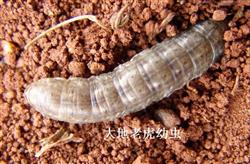
What is a cutworm? How do you control cutworms? We also invite readers with control experience to share their advice. The cutworm is also called shangcan, dican, or root-cutting worm. Common cutworms include the large cutworm, the small cutworm, and the yellow cutworm. Therefore, Seedling Network has compiled detailed information on cutworms, listed below for readers' reference....
条件筛选