-
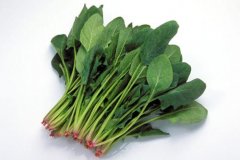
Spinach Cultivation: The cultivation process of spinach, spinach cultivation density
In pesticide-free cultivation, spinach is easier to grow than rapeseed (yu choy). Spinach carefully cultivated in the field during winter has a flavor that can truly be called exceptional. Varieties and sowing periods. Spinach varieties include the Western type with round leaves, and in addition, the native type with deeply lobed leaves
-

What are the prospects for mulberry cultivation? How should pests be controlled when they appear during the growing process?
The mulberry is a tree cultivated in every part of our country and has a certain economic value. The leaves of the mulberry can serve as feed for silkworms, the branches can be made into baskets and other woven implements, the bark can be used to make paper, and the fruit can be eaten fresh
-
How to Grow Chinese Hibiscus and How to Solve Flower Drop
Chinese hibiscus, also known as Buddhist hibiscus, rose of China, Buddhist mulberry, big red flower, and red hibiscus, is a fairly well-known flower in our country. Its colors are extremely vivid, it produces a large number of blooms, and it basically blooms all year round. Chinese hibiscus has low requirements for planting and management, and is deeply loved by gardening enthusiasts.
-
How much is lotus root per jin now? Detailed explanation of scientific fertilization methods for cultivation
Lotus root is a vegetable with nutritional value and is deeply loved by consumers. Lotus root varieties are also differentiated; generally, the ones used for stewing soup and the ones for stir-frying are different types. When stir-fried, lotus root tastes crisp, and when stewed in soup, it tastes soft and glutinous, making it especially suitable for people with weak constitutions
-
What pesticides are good to use during the cultivation of leafy greens?
There are many categories of pesticides used during the cultivation of leafy greens: insecticides, fungicides, plant growth regulators, and so on. For example, at the peak period of leafy green caterpillar larvae, you can choose 20% Tianda diflubenzuron suspension concentrate at 800 times dilution, 50% phoxim emulsifiable concentrate at 1000 times dilution, or 90% trichlorfon crystal at
-
What to Do When Jasmine Gets Pests? A Detailed Guide to Pest Control Methods
Disease or pest problems can occur during any cultivation process, and jasmine is no exception, so what should you do when jasmine gets pests? 1. What to do when jasmine gets pests? Pests on jasmine are generally a kind of small white insect. The small white insects on jasmine may
-
A detailed guide to bean sprout cultivation methods, with the full process
Summary Seed selection: choose plump, glossy, high-quality varieties. Seed soaking: soak the high-quality seeds for about 5 hours, then remove them and drain them. Sowing: choose a container measuring 40x50cm, place the seeds on the soil surface and press them in just a little, then cover them with a layer of covering material. Temperature: right after sowing, the temperature needs to be controlled at 18°C, and after the seeds sprout, the temperature needs to be controlled at 23°C. Water: water once every 5 hours. Harvesting: about 7 days after planting, they can be harvested.
-
How Are Enoki Mushrooms Grown? A Complete Guide to the Growing Process
Summary Preparing the substrate: choose fresh, clean materials that have not become moldy to prepare the substrate. Bagging and sterilization: place the spawn bags under high pressure to sterilize them. Inoculation and cultivation: put the sterilized spawn bags into a greenhouse for inoculation, keep the temperature at around 20-25°C, then cover with film.
-
A Detailed Explanation of the Porphyra (Nori) Cultivation Process, Key Technical Points and Precautions
Abstract Site selection: choose a sea area with smooth tidal flow, slight wind and waves, and below the high tide line. Cultivation equipment: professional net curtains need to be made, then planned and placed into the sea. Timely stocking: the stocking time is from the end of September to the beginning of October. Seedling cultivation: hang up the seedling nets and patrol every day,
-
A Detailed Guide to Phyllanthus emblica Cultivation Methods, Precautions and Processing Methods
Many people know about Phyllanthus emblica, but do you know its origin? There is a little story that goes like this: more than two thousand years ago, an Indian monk and a Chinese merchant encountered a storm while crossing the desert and lost their way, with no water or food left. The monk was carrying
条件筛选