-

Symptoms and Control Methods of Crown Gall Disease in Fruit Trees
Crown gall disease in fruit trees is a very common disease. If it is not controlled in time, it may reduce yields and even cause the death of fruit trees. Therefore, fruit growers must do a good job of prevention and control. So what are the symptoms of crown gall disease in fruit trees? How should it be controlled? I. Main symptoms of crown gall disease
-
What are the symptoms of crown gall disease in roses? What should be done?
Crown gall disease, also known as root crown gall disease, is one of the most common root diseases on garden flowers and nursery stock. Plants such as roses, cherry blossoms, peaches, and roses are all easily attacked by it. So what are the symptoms of crown gall disease in roses? What should be done? 1. Crown gall disease in roses has
-
How to control crown gall disease of jujube trees with good results
This disease is a bacterial disease and occurs in jujube-growing areas in the north. After the roots are damaged, the aboveground growth is slow and the plants are stunted; in severe cases the leaves turn yellow and fall early, and the branches weaken or even die, but it rarely causes the whole plant to die. Besides harming jujube trees, the pathogen also attacks
-
How to Prevent and Control Raspberry Crown Gall Disease? A Full Analysis of Practical Methods
In recent years, raspberries introduced from abroad have suffered fairly severe crown gall disease during cultivation. Crown gall disease occurs mainly at the root crown, and sometimes is also scattered on lateral roots and branch roots. The diseased part is initially milky white, smooth and soft, and later gradually turns brown to dark brown, with a hard texture
-
Latest Tutorial on Prevention and Control Techniques for Cherry Crown Gall Disease
The cherry is a fruit tree with relatively high economic value. As market demand has expanded in recent years, its planting area has also continued to grow. During cultivation, however, it can be troubled by pests and diseases, and crown gall disease is one of the main diseases of cherry, with the harm brought by the development of cherry cultivation growing increasingly severe.
-

Occurrence patterns and control methods of pear tree crown gall
Occurrence and control of pear tree crown gall
-
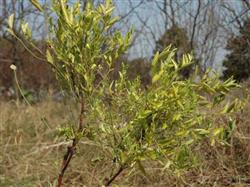
What is jujube root crown gall? Introduction to common diseases in jujube tree management
What is jujube root crown gall? What causes it? How should it be prevented and controlled? Please give an introduction. Jujube root crown gall is a bacterial disease that occurs in jujube-growing areas in the north. After the roots are affected, above-ground growth is slow and the plant is stunted; in severe cases the leaves turn yellow and drop early, and the branches and shoots weaken or even die, but it rarely causes the whole...
-
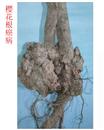
What are the control methods for cherry blossom crown gall disease?
How do you control cherry blossom crown gall disease? Here are the methods. The gorgeous cherry blossom is deeply loved by people, but it is easily infected by a fatal crown gall disease. This disease mainly occurs on the roots and on the trunk and lateral branches of the aboveground part of the cherry blossom. In the early stage of the disease, the root crown swells into spherical or hemispherical tumor-like growths; young galls are white, with a soft texture...
-
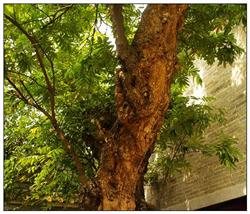
What is longan crown gall disease? Understanding this disease in one article
What is longan crown gall disease? How should it be prevented and controlled? Longan crown gall disease is a newly discovered disease on longan trees. When branches and trunks are affected, it causes premature tree decline. 1. Symptoms: In the early stage of infection, small protrusions appear on the affected branches and trunks, which gradually enlarge to form tumors with a rough or uneven surface and a suberized texture....
-
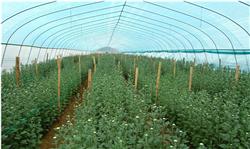
What are the control methods for crown gall disease in chrysanthemums?
Answer content: Key points of chrysanthemum cultivation and management techniques 1. Site selection: Chrysanthemums like moisture and fear drought, and cannot tolerate waterlogging. If soaked by heavy rain for 48 hours after planting, they will all die. Therefore, choose land that is fertile, convenient for drainage and irrigation, and has sufficient light. If converting rice fields for planting, reinforce the main surrounding embankment and ensure sufficient drainage and irrigation capacity, so as to avoid...
条件筛选