-

The three main causes of cotton diseases: climate, seeds and cultivation
The occurrence of cotton diseases is closely related to climate, seed quality and cultivation practices: low temperature and high humidity easily cause seed rot and sprout rot, poor-quality seeds produce weak seedlings, and continuous cropping, low-lying waterlogged land, rough land preparation and sowing too early all worsen the disease.
-
How to manage cotton during the flowering and boll-setting stage? Apply flowering and boll fertilizer heavily, use chemical regulation and pruning to prevent premature senescence
The flowering and boll-setting stage of cotton is the peak period of fertilizer and water demand and the critical period for yield formation. This article introduces the topdressing rate of flowering and boll fertilizer, the standards for irrigation and drainage, the dosage of mepiquat chloride for chemical regulation, the timing of pruning and topping, and pest and disease control techniques, to help cotton growers set more bolls and prevent premature senescence and boll rot.
-
How to Apply for Cotton, Hemp and Jute Planting Subsidies? Conditions and Application Process Explained
What subsidies are available for cotton, hemp and jute planting? This article introduces the farmland fertility protection subsidy, agricultural machinery purchase subsidy, policy-based agricultural insurance and other types, as well as the application conditions, required materials and application process. Local standards are subject to local announcements.
-
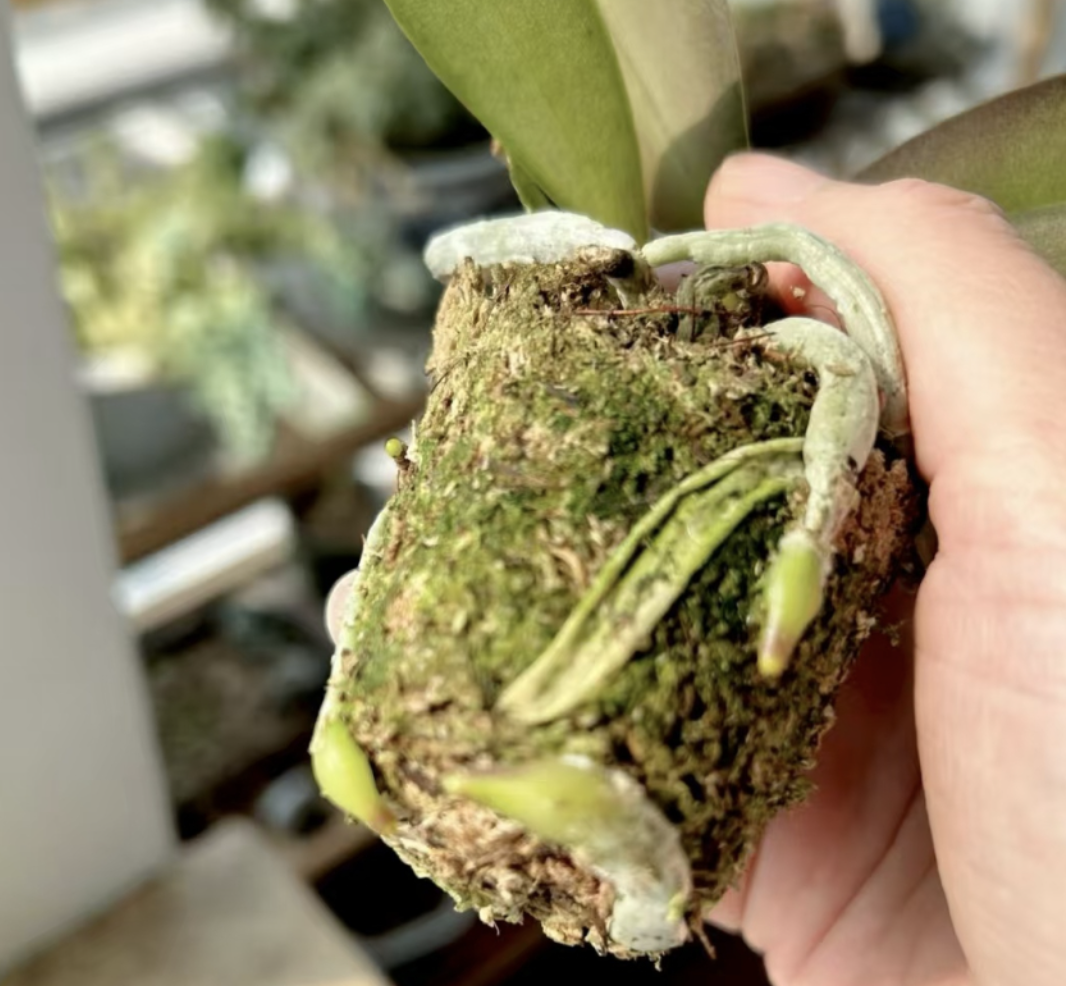
How do Phalaenopsis orchids get white cotton disease? How to treat white cotton disease in Phalaenopsis orchids?
Friends who enjoy gardening are likely aware that the most susceptible plant to diseases is the "rose," but despite this, many people still love growing it
-

Cotton rose hibiscus - different colored flowers on a single tree? What does the flower language of the cotton rose hibiscus mean?
Known as the "drunken beauty" of winter, its flower language carries meanings of wealth and good fortune, independence and confidence, and it is also a flower with medicinal and culinary value. Its name is "cotton rose hibiscus." In appearance, it has inverted triangular petals, and its flower color can change three times in a single day depending on the growing environment or light intensity. The cotton rose hibiscus in
-
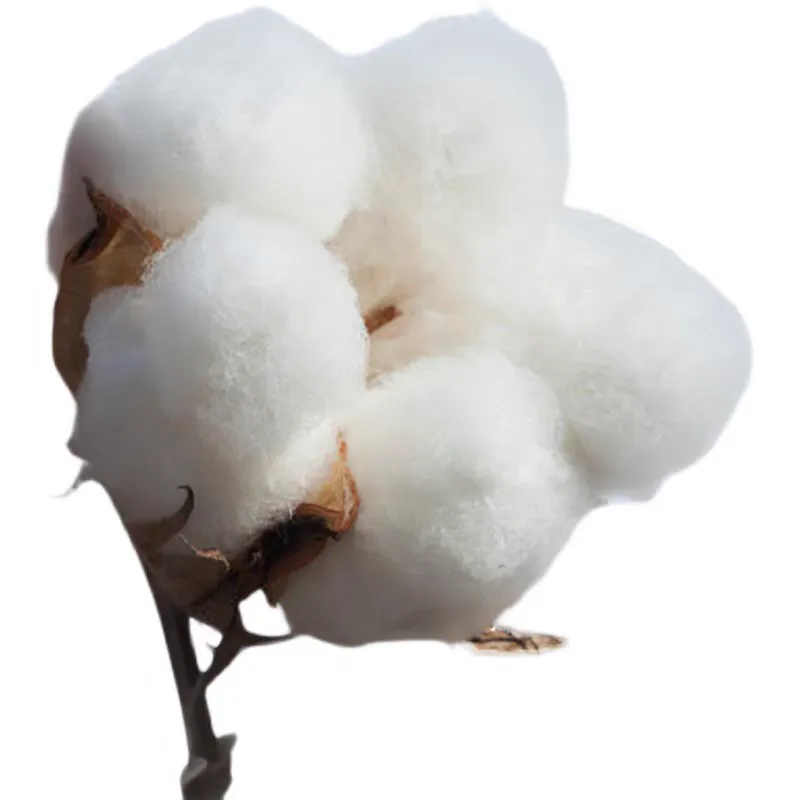
Cotton Planting and Maintenance Precautions
Today, I'd like to introduce cotton to you, which is common in our daily life but not fully understood by many people. Cotton is an important cash crop. Its
-
When Is the Best Time to Sow Cotton? A Detailed Guide to Planting and Care Precautions
Today let me introduce cotton, something common in our daily lives yet not very well understood. Cotton is an important cash crop; its fiber is soft and white, and it is the main raw material of the textile industry. Much of the clothing we wear and the sheets and duvet covers we use would not exist without it. The cotton plant is generally 1-2 m tall, with an upright stem,
-
How are cotton seeds selected? What are the seedling-raising methods?
Cotton is one of the world's most important crops, with large yields and low production costs, which makes cotton products relatively inexpensive; it can be made into fabrics of many specifications, from lightweight and transparent voile to thick canvas and thick velveteen, suitable for making all kinds of clothing, furnishing fabrics and
-
What are the roles of cottonseed meal in feed
Cottonseed meal plays roles in feed such as supplementing protein, lysine, calcium, phosphorus and carotene, and adding it to dairy cow feed can also increase the milk fat percentage of dairy cows. When adding it as a fertilizer or feed ingredient, be sure to pay attention to quality; do not use any that is moldy or blackened.
-
When Does the Cotton Rose Hibiscus Bloom? An Introduction to Its Latest Blooming Season
The cotton rose hibiscus is also known as the hibiscus flower, frost-defying flower, and ground hibiscus. Its flowers are large and brightly colored. Since ancient times in our country it has mostly been planted in gardens and courtyards, and can be planted alone or in clusters along walls, roadsides, and in front of halls, and is especially suitable for planting beside water, where when it blooms the shimmering waves and flower reflections set each other off beautifully, appearing especially enchanting.
条件筛选