-
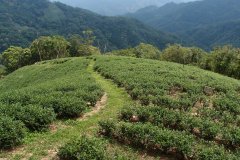
Organic tea gardens have more spiders in both number and species than conventional ones, with better biodiversity
Spiders are natural enemies of tea pests such as the tea mosquito bug (Helopeltis spp.), and tea gardens with abundant spider ecology help eliminate tea pests and are also an important indicator of tea garden biodiversity. Over the past two years, the Endemic Species Research Institute of the Council of Agriculture conducted field spider surveys in the tea areas of Yuchi Township, Nantou County, and
-

Key Technical Points for Scion Preparation in Conventional Walnut Propagation
1. Source of scions - Select superior varieties as mother trees for scion collection and establish a scion orchard. Cutting scions from a scion orchard ensures variety purity. Scion mother trees should be of pure variety, grow vigorously, and be free of pests and diseases. After collecting scions, they must be labeled to prevent mixing, because
-
How to Keep Spiders? A Detailed Guide to Care Methods and Tips
Besides some conventional pets, many people also like to keep uncommon animals as pets, and spiders are one of them. How do you keep spiders, which don't seem easy to get close to? 1. How to keep spiders. 1. Prepare a ventilated enclosure, and place coconut coir, sterile soil and other substrates inside. According to the habits of the spider species, place hiding holes and fake trees. Spiders need to catch their own prey. There is no need to put too many unnecessary items in the enclosure. 2. Keep the rearing temperature between 17-25°C and the humidity at around 65%. You can place a small water cup, and put a little cotton in the cup. 3. Mainly feed crickets, locusts, moths, etc. Clean up leftover food debris and regularly replace the coconut coir. This kind of substrate easily breeds bacteria, and if not replaced in time, it can easily cause spiders to get sick or even die.
-
How to grow beans hydroponically? A step-by-step guide to the growing method
Many legumes, besides conventional growing, can all be grown at home using the hydroponic method. Today the editor will introduce to you how to grow beans hydroponically, let's take a look together! 1. How to grow beans hydroponically Select plump beans,
-

Dental implants vs. conventional dentures: which is better? A comparative analysis tells you
As the first Baide Customer Service Festival heats up, many members of the public have started thinking about getting dental implants, but they are not sure whether dental implants are really good? So they all...
-
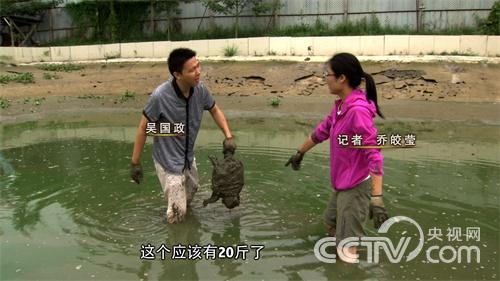
Returnee Turtle Farmer Takes an Unconventional Path, An Innovative Model Blazes a New Trail
Returnee Turtle Farmer Takes an Unconventional Path
-
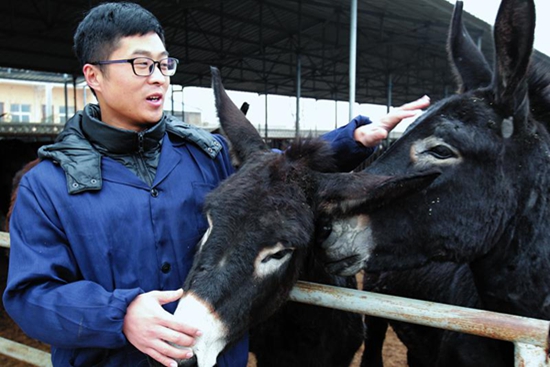
Post-80s man quits his job and returns to his hometown to raise donkeys in an unconventional way, leading his fellow villagers to prosperity together
Post-80s man quits his job and goes home to raise donkeys in an unconventional way, leading his fellow villagers to prosperity together
-
Oil peony cultivation takes an unconventional path, and Zhang Daqing made his fortune with it
Zhang Daqing: Making a fortune by growing oil peonies in an unconventional way
-
Grain bumper harvest project boosts agricultural disaster prevention, with unconventional measures
Agricultural disaster prevention: grain bumper harvest project breaks new ground
-
Introduction to the Conventional Rice Variety Liaojing 371
Characteristics: This variety is a conventional japonica-type rice variety. In the late-maturing rice regions of Northeast and Northwest China, the average whole growth period is 154.7 days, 3 days later than the control Qiuguang. Plant height is 100 cm, tillering ability is relatively strong, plant type is loose, leaves are drooping, panicle type is loose, grain setting is relatively dense, glumes are yellow-white, and awns are absent. Total grain number per panicle is 80.5 grains, seed setting rate is 82.4%, and 1000-grain weight is 26.2 g. Resistance: seedling blast grade 3, leaf blast grade 5, panicle blast grade 5. Main rice quality indicators: head rice rate 69.6%, chalky grain rate 3.3%, chalkiness degree 0.2%, gel consistency
条件筛选