-

Don't be afraid of pests, diseases and leggy growth - all the prevention and control methods are here
You"re Beautiful Back To Bedlam James Blunt ...
-
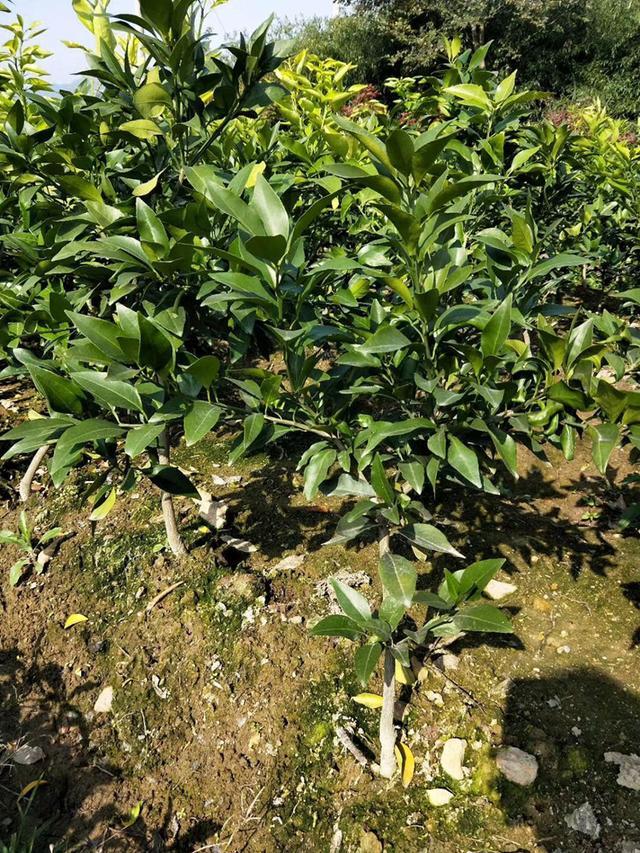
Key Cultivation Techniques and Pest and Disease Control Methods for Guangxi Wogan Mandarin
Key Cultivation Techniques for the New Wogan Mandarin Variety and Pest and Disease Control 1 Key Cultivation Techniques for the New Wogan Mandarin Variety 1.1 Selection of Saplings To grow Wogan in Quanzhou County, Guangxi, one should choose Wogan grafted saplings with a well-proportioned plant shape and a relatively intact root system. Saplings suffering from anthracnose, canker, and other diseases must absolutely not be selected for planting. In addition, for the Quanzhou area, red tangerine (Citrus reticulata 'Hongju') should be used as the grafting rootstock in alkaline soil as much as possible, while under paddy field soil conditions, large-leaf trifoliate orange (Poncirus trifoliata) is best used as the grafting rootstock, so as to ensure high-quality Wogan grafted saplings.
-

What are the control methods for azalea leaf blight?
Azalea, also known as yingshanhong and shan shiliu, is a fairly typical acid-indicating plant in central-southern and southwestern China. Because the whole azalea plant can be used medicinally, its economic value is very high. If azalea develops leaf blight, it will affect the ornamental value of the azalea and also seriously affect the healthy growth of the azalea
-
Tulip Brown Spot Disease: Symptom Identification and Control Methods
The elegance of tulips is much loved by many flower enthusiasts. Growing tulips in pots is not very difficult, but tulips are relatively susceptible to brown spot disease. Once brown spot disease occurs, it reduces the ornamental value of the tulips and also harms their growth
-
What to do about bugs around flower pots? A few practical pest control methods
We love the green of spring and the brilliant colors of summer. In spring, flowers and plants sprout and bloom one after another. It is a season that flower lovers enjoy, but it also brings them worries. When summer arrives and temperatures rise, all kinds of small flying insects come out to seek the nectar they like, so the flowers and plants grown by flower enthusiasts also welcome unknown flying insects one after another.
-
Identification of Rose Gray Mold Symptoms and Control Methods
Roses are a relatively common ornamental flowering plant in China, native to China. Through long-term hybridization and breeding by horticulturists, they have now developed to more than 20,000 varieties. Although roses are relatively easy to cultivate, we should not overlook the common diseases of roses.
-
What to Do When Lotus Gets Black Spot Disease? Symptom Identification and Control Methods
Lotus is a plant that some friends like to grow in their courtyards. It can be cultivated in all parts of our country, and it can be grown both in the ground and in containers. However, growing lotus makes it very prone to black spot disease, which not only affects the ornamental value of the lotus but also affects its health.
-
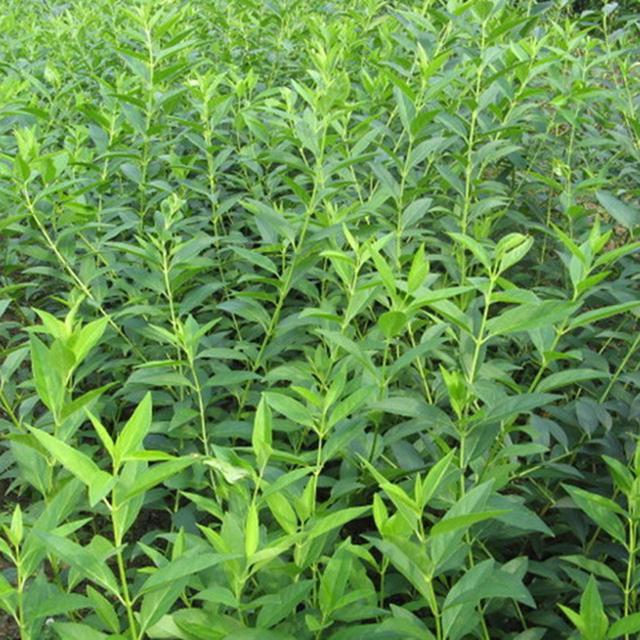
Forsythia Propagation and Cultivation Techniques and Pest and Disease Control Methods
Forsythia Propagation and Pest and Disease Control Cultivation Techniques. Forsythia belongs to the shrub family, also known as Lianqiao, and is an economic shrub planting variety. Forsythia likes light and has strong cold resistance. Both poor and fertile soils are suitable for its growth. Generally during the growth...
-

How to deal with strawberry root rot? A complete guide to prevention and control methods
There are many causes of strawberry root rot: if it is caused by root rot disease, use chemical sprays for prevention and control, and disinfect the soil. If it is caused by root-knot nematodes, use Yinghui nematode-killing agent diluted with water and apply it as a drench. Once a strawberry with root rot is found, the diseased plant should be dug out promptly and chemical sprays should be used for prevention and control.
-
How to Treat Anthracnose in Monstera deliciosa? Detailed Prevention and Control Methods
Prevention and control methods: For anthracnose in Monstera deliciosa, first strengthen management by applying a bit more organic fertilizer to improve its disease resistance. Second, do not water the leaves, and appropriately reduce air humidity during rainy periods. Once disease is found, cut off the diseased leaves and burn them, then spray with medication for treatment.
条件筛选