-

Introduction to the Symptoms and Control Methods of Seedling Blight in Calla Lilies
What do the symptoms of seedling blight in calla lilies look like, what are the transmission routes, and how do we go about controlling this disease? Let's take a look together. Symptoms: It causes rot of the bulb sprouts, browning of seedling leaves, and shriveling and curling. When the sprouts are not damaged, they can still grow normally; if the affected leaves dry up and wrap around the terminal bud, it causes stunting or poor stem emergence. Besides damaging the leaves, this fungus can also harm the base of the stem, causing browning symptoms at the sprouting sites and forming wounds that facilitate further damage by bacterial soft rot.
-
Control Methods for Phytophthora Blight, a Disease of Cyclamen Pests and Diseases
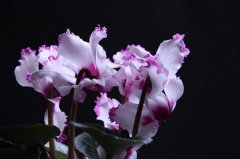
An introduction to the symptoms and control methods of Phytophthora blight, a disease of cyclamen pests and diseases. Symptoms: the heart bud and the base of the plant are affected. In the early stage of infection, the plant's leaves droop, the petiole and peduncle tissue near the tuber fade and become constricted, and the leaves and flowers wilt and fall over. The heart bud turns brown and withers. The underground tuber
-
Pest and Disease Control, Cultivation Methods, and Precautions for Hylotelephium spectabile
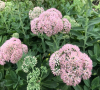
Hylotelephium spectabile, also known as showy stonecrop, Huoxue Sanqi, and whiteflower scorpionweed, is a perennial succulent herbaceous plant in the genus Hylotelephium of the family Crassulaceae. Its plant height is usually 30-50 cm, its stem height is 60-70 cm, and its underground rhizome portion is thick and fleshy. The aboveground stems are clustered, thick and upright, and the leaves are whorled or opposite, with an obovate
-

Why Indoor Potted Plants Are Prone to Pests and Diseases in Winter and General Prevention and Control Methods
In winter, during this special season, indoor potted plants face the threat of pests and diseases. Today, let's talk about how to effectively prevent and control pests and diseases in indoor potted plants in winter and create a healthy, green home environment. In winter, indoor potted plants often face a high incidence of pests and diseases, mainly due to
-

How to control the temperature difference for Phalaenopsis orchids? Care and management methods and key points
Do you also dream of growing a Phalaenopsis orchid covered in blooms at home? However, dreams and reality are exactly opposite, because orchids are not as easy to overlook as we believe, especially when it comes to temperature differences; a slight carelessness may directly cause the plant to lose all its vitality. As a tropical rainforest plant, Phalaenopsis has a high
-
How is black rot in Phalaenopsis caused? A detailed guide to prevention and control methods
When growing Phalaenopsis, the most frustrating thing is encountering black rot and water-soaked rot. A perfectly healthy plant suddenly becomes sickly, and sometimes it cannot be saved. Today I will explain the causes and solutions in detail. Temperature and humidity imbalance: Phalaenopsis likes warmth and humidity, but it is also afraid of high temperature and high humidity. Its optimal growth temperature is 18-28°C
-

What are the natural pest and disease control methods for Phalaenopsis orchids and the materials used?
The Phalaenopsis orchid (moth orchid) has relatively weak resistance to pests and diseases, so special attention is needed during care. Regarding pest and disease control for Phalaenopsis, in addition to chemical pesticides, natural control methods are also a very important option. Improving the growing environment: enhancing ventilation. Purpose: reduce environmental humidity and reduce pests and diseases.
-

What to Do When Phalaenopsis Attracts Pests? Targeted Treatment and Control Methods
During cultivation, Phalaenopsis orchids sometimes attract various pests, which not only affects their appearance but may also threaten the health of the plant. So, when a Phalaenopsis attracts pests, what should we do? And what pesticides should be used for control? Treatment methods for Phalaenopsis pest problems: Improve the growing environment: When a Phalaenopsis attracts pests
-
A Detailed Guide to Common Pests and Diseases of Phalaenopsis Orchids and Their Control Methods
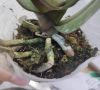
Some flowers are born with a strong perfume scent, such as ginger lily, jasmine, and narcissus, while others are born to catch the eye with their beauty, and that is exactly the Phalaenopsis orchid. According to incomplete statistics, Phalaenopsis orchid petals come in over a thousand colors and patterns, some fresh and refined, some striking crimson, some dotted with different
-

What disease causes tomato stems to turn black? Cause analysis and control methods
Is your tomato stem suddenly turning black as you grow it? Don't panic! This could be a disease at work! Today I'll walk you through how to treat the right cause. Symptoms of stem base rot: pale brown to dark brown patches appear at the base of the stem, which constrict after encircling the stem, later developing cobweb-like mold, and the whole plant wilts! High-risk period: prone to occur in high-temperature, high-humidity environments. Solutions
条件筛选