-
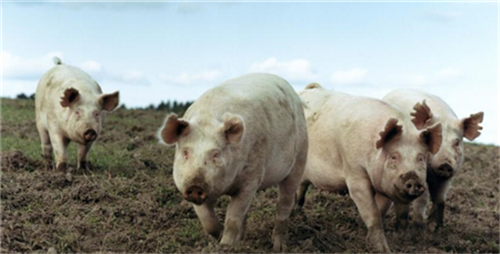
Why is the incidence of porcine respiratory disease complex so high?
Why is the incidence of porcine respiratory disease complex so high?
-
The causes of swine respiratory disease are complex, and no single prevention and control measure can be effective
Don't count on a single control measure: the causes of swine respiratory disease are complex
-

A Detailed Guide to the Diagnosis and Treatment of Complex and Intractable Swine Diseases
At present, individual pigs on some pig farms are infected by a mixed infection of two or more pathogens, including bacteria, viruses, toxoplasmosis, and Eperythrozoon. After the affected pigs fall ill, treatment with antibiotics alone often gives poor results. Farmers report that penicillin fails to bring the fever down. In this situation, we should consider that the pig may be infected by more than two pathogens, which belongs to the category of complex and intractable swine diseases. The main signs of sick pigs are: (1) persistent high fever, reduced appetite, listlessness, constipation or diarrhea; (2) clear nasal discharge or mucus, with difficulty breathing
-
Diagnosis and Treatment of Porcine Respiratory Disease Complex
Porcine respiratory disease complex is a highly pathogenic infectious disease caused by mixed infection with various viruses, bacteria and other microorganisms, primarily manifesting as respiratory symptoms and lesions in pigs. The pathogens causing the disease are not identical across different pig farms. Primary infections may include PRRSV, PCV-II, PRV, SIV, HCV, the pathogen of porcine infectious atrophic rhinitis, and Mycoplasma; secondary infections may include Streptococcus, Actinobacillus pleuropneumoniae, Haemophilus parasuis, Eperythrozoon, Salmonella, etc.
-
Detailed Explanation of Prevention and Treatment Methods for Porcine Respiratory Disease Complex
Regarding the situation in a pig farm in western Shandong where respiratory disease was more severe in growing-finishing pigs than in nursery pigs, quite a lot of medication was used for control without achieving good results, which is what farmers call: "spent good money but didn't get good results." Since 2005, piglets in many pig farms have developed pneumonia, coughing and cyanosis of the ears in some pigs. Growing pigs over 25 kg mainly showed coughing and panting as well as dermatitis. Compared with 2005, when the disease onset was mainly characterized by diarrhea symptoms, it has now shifted to being mainly characterized by respiratory symptoms along with coughing and spraying of feces. In the hot climate of summer and autumn
-
How to prevent and treat bovine respiratory distress syndrome in calves? Causes such as premature birth and hypoxia are complex
Complex causes such as premature birth and hypoxia: prevention and treatment of bovine respiratory distress syndrome in calves
条件筛选