-

Imported coarse grains replace corn, 2015 increase expected to reach 108%
In 2014, China's total imports of sorghum, barley and DDGS (dried distillers grains with solubles) amounted to 16.6 million tons, and the total imports of these products in 2015 are expected to reach 30 million tons, an increase of 81%. Excluding the portion of barley used for brewing, after conversion, the above imported products in 2015 are expected to replace feed
-
Coarse grains move online for sale: Ministry of Commerce encourages e-commerce in rural areas to alleviate poverty
Yesterday (September 7), Ministry of Commerce spokesperson Shen Danyang said at a press conference that the Ministry of Commerce will adopt ten specific measures to promote rural e-commerce. A few days ago, the Ministry of Commerce and 19 other departments issued the "Opinions on Accelerating the Development of Rural E-Commerce," Shen Danyang
-
China's coarse grain and soybean imports to grow by more than 40% over the next decade
By 2024, China's net imports of coarse grains and soybeans may increase by 46% and 40% respectively compared with current levels. The report said that for at least the past decade, China has been a net importer of cotton, soybeans, rapeseed, barley, soybean oil and palm oil. Since 2008/09
-
How to grow a dragon bone plant? A detailed guide to its care methods
Summary Soil: A mix of coarse sand and leaf mold can be used to prepare the soil, with a small amount of decomposed chicken manure added as a base fertilizer. Watering: The dragon bone plant is drought-tolerant; water once every 10-15 days in spring and autumn, once every 5 days in summer, and in winter it can go 1-2 months without watering. Light
-
Why should salt be added to the water when raising crucian carp?
Adding coarse salt or special salt to the water can serve many purposes: it can increase the concentration of ions in the water so that suspended particles sink to the bottom and the water is purified; it can also balance osmotic pressure, relieve the adverse reactions of fish when they enter a new environment, and replenish salt for wounds.
-
What are some coarse-fiber vegetables? These common vegetables are high in fiber
Once summer arrives, many people start to lose weight, and losing weight means watching what you eat and moving your legs, but while watching what you eat, reasonably controlling your diet is crucial, so coarse-fiber foods have become the first choice for dieters, so what are coarse-fiber vegetables? One
-
When is the planting time for buckwheat?
Buckwheat is a coarse grain with extremely high nutritional value, and can be made into foods such as noodles, hele (pressed buckwheat noodles), and liangfen (cold starch jelly). So, when is buckwheat planted? How is it planted? Below is an introduction to the planting time and methods for buckwheat. 1. Buckwheat planting time Buckwheat can be sown in spring
-
A Detailed Explanation of the Latest Key Technical Points for Oat Field Management
As a coarse grain, oats are very popular, with high nutritional value and various benefits such as whitening, hair care and moisturizing. People's lives have gradually shifted from merely having enough to eat to pursuing health and wellness, so naturally oats, with their rich nutritional advantages, have been welcomed by many people.
-
Latest Causes of Increased Coarse Fiber in Celery Petioles and Preventive Measures
In the process of growing celery, one of the problems farmers fear most is an increase in coarse fiber in the petioles, which can seriously affect the variety and sale of celery and reduce profits. So what causes the increase in coarse fiber in celery? What measures should be taken to avoid it? Follow the editor to
-
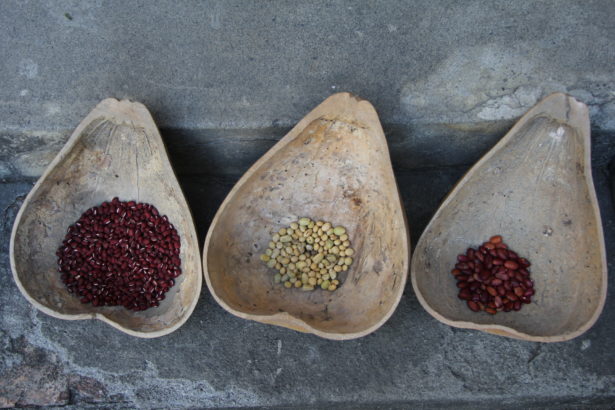
The Revival of Kaohsiung's Coarse Grains, Seen Through Shunwei
"Shunwei, Kaohsiung" The Revival of Kaohsiung's Coarse Grains
条件筛选