-

Nasturtium (Indian cress) seed planting methods, flowering period and heat-clearing and fire-reducing benefits
Nasturtium is a plant of the family Tropaeolaceae and the genus Tropaeolum. In southern China it can be grown as a perennial, cultivated indoors in pots, with a fragrant scent and brilliant colors, winning people's affection. So do you know what the seed planting methods for nasturtium are? Is its heat-clearing and fire-reducing effect good? When does it bloom
-
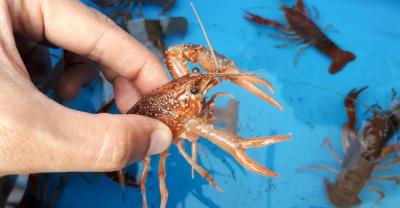
Why is pond clearing and disinfection so crucial for aquaculture in winter and spring?
Why do ponds need disinfection? Aquaculture ponds are prone to sediment accumulation at the bottom due to feeding, fertilization, animal excretion and many other reasons. To ensure the safety and health of farmed animals...
-
How do you clear a pond for aquaculture? A complete guide to pond clearing methods
I. Quicklime - 1 - Sources and main components of quicklime. Any natural rock with calcium carbonate as its main component, such as limestone, chalk, dolomitic limestone, etc...
-

Announcement on Clearing Fraudulent Information about Shandong Cattle and Sheep
Announcement on Clearing Fraudulent Information about Shandong Cattle and Sheep
-
-

Detailed Explanation of the Key Techniques for Peanut Crown Clearing and Seedling Hardening
Peanut Crown Clearing and Seedling Hardening Techniques
-
Getting agricultural products into the city requires clearing three hurdles
Agricultural products entering the city must clear "three hurdles"
-
Pond Clearing and Medication Disinfection Methods for Aquaculture Ponds
After the dealkalization treatment of cement ponds, carry out pond clearing and disinfection promptly. Soak with quicklime at 100--150g/m³ or bleaching powder at 10g/m³ for one week, then drain the pond water and replace it with clean water. In routine management, every 10--15d, splash the entire pond with quicklime at 10g/m³, or bleaching powder at 1g/m³, or trichloroisocyanuric acid (strong chlorine essence) at 0.2-0.5g/m³, using the three in rotation. If the water is alkaline
-
Methods and Technical Key Points for Clearing and Preparing Broodstock Rearing Ponds
1. Renovating the pond: Drain the pond water, remove excess silt, level the pond bottom, repair the pond bottom walls and the water inlet and outlet, and clear tall plants from the pond bottom and edges. After exposing the pond to sunlight for several days, fill it with fresh water. 2. Common pond-clearing methods include (1) Quicklime pond clearing. One method is dry quicklime pond clearing, that is, first drain the pond water, leaving only 6-10 cm of water on the pond bottom, dig several small pits around the pond bottom, place quicklime separately into the small pits, add water to dissolve it, and before it cools, splash it evenly over the pond. On the 2nd day, an iron
-
Detailed Explanation of Common Pond-Clearing Drug Types and Their Methods of Use
Drug-based pond clearing is the use of drugs to kill pathogens, parasites, and various predatory fish, wild trash fish, and other harmful organisms in the pond that endanger fish, shrimp, and crab fry, thereby preventing disease from affecting the normal growth and development of the cultured species and improving aquaculture efficiency. At present, there are many varieties of pond-clearing drugs, but different varieties have different effects. Commonly used pond-clearing drugs include quicklime, bleaching powder, tea seed cake, ammonia water, croton, Tangkening, and others. 1. Quicklime pond clearing Quicklime is calcium oxide. Its pond-clearing effect is that after quicklime meets water, a chemical reaction occurs, producing calcium hydroxide,
条件筛选