-
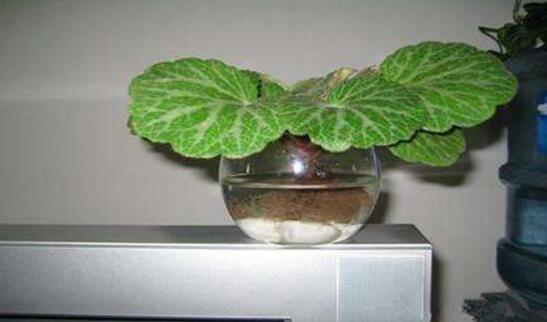
Can Saxifraga stolonifera be grown hydroponically? Hydroponic methods and things to note such as changing the water frequently
Saxifraga stolonifera can adapt to many kinds of environments, so it is considered one of the easiest plants to grow. Besides growing it in pots, some people want to grow it hydroponically, so can Saxifraga stolonifera be grown hydroponically? The answer is yes, but before that you should understand the hydroponic methods and things to note for Saxifraga stolonifera
-

Can narcissus be grown hydroponically all year round? Cultivation methods and key points for changing the water
Narcissus, a very special flower, not only blooms in winter, but is also more suited to hydroponic growing. Generally speaking, give a narcissus a pot of water and it will produce beautiful flowers. However, when it comes to hydroponics, beginners have quite a few questions, such as: can narcissus be grown hydroponically all year round? On this point
-
Management Methods and Technical Key Points for the Color-Changing Stage of Shiitake Mushrooms
When the shiitake mushroom mycelium grows and develops into the physiological maturity stage, the white mycelium on the surface gradually turns into a brown layer of mycelial film under certain conditions, which is called mycelial color change. The depth of the color change and the thickness of the mycelial film directly affect the occurrence and development of shiitake mushroom primordia, and have a great relationship with the yield and quality of shiitake mushrooms. It is the most important link in the management of shiitake mushroom fruiting. There are many methods for color change, and the commonly used one is the bag-removal color-change method. It is necessary to accurately grasp the timing of bag removal, that is, remove the bag when the mycelium reaches physiological maturity. If the bag is removed too early, it is not easy to change color; if too late, the mycelium ages, often produces yellow water, and is prone to
-
The correct method and steps for repotting and changing the soil of bonsai
Whether to repot a tree bonsai can be decided based on the following aspects: (1) Generally, small bonsai are repotted once every 1 to 2 years, medium bonsai once every 2 to 3 years, and large bonsai once every 3 to 5 years. In the case of old tree stump bonsai, repotting can be spaced out by several more years. (2) For tree species that grow vigorously and like fertilizer, repotting should be done more often and the interval should be shorter; for tree species that grow slowly and need less fertilizer, repotting can be done less often and the interval can be longer. Old stump bonsai of the pine and cypress type are not suitable for frequent repotting. (3) Tree species with luxuriant branches and leaves and well-developed root systems should be repotted frequently.
-
The correct method for repotting and changing the soil of azalea bonsai
The usual conventional method is to tip the plant's root ball out, remove part of the old soil, trim and tidy the root system, refill with fresh soil, and water. When soil is changed this way, the slightest carelessness in management will kill the plant. The longer it has been cultivated, the higher the mortality rate. The reason is: the old clump of soil left at the base of the trunk is not only compacted but also dry, and the balance of supply and demand between the top and bottom of the plant is lost. After the plant is potted up and watered thoroughly again, water finds it very hard to penetrate into the soil clump. Even if a lot of water is poured, the water all seeps out through the new soil layer, while the middle of the root ball remains dry,
-
To raise the per-unit yield of double-season rice in Jiangxi, the key lies in changing the "six mores and six lesses" phenomenon
Rice is the most important food crop in Jiangxi, and increasing the per-unit yield of double-season rice is an important way to ensure Jiangxi's position as a major grain-producing region and to ensure that Jiangxi makes a greater contribution to the country's food security. In recent years, although the per-unit yield of double-season rice in Jiangxi has risen steadily, the phenomenon of a relatively low per-unit yield level has still not improved much. Compared with neighbouring Hunan, it is 50-60 kg lower per 667 sq m. Analysis shows that the "six mores and six lesses" phenomenon is the main reason for Jiangxi's low rice per-unit yield. 1. More seeding rate, less seed used. Cultivating
-
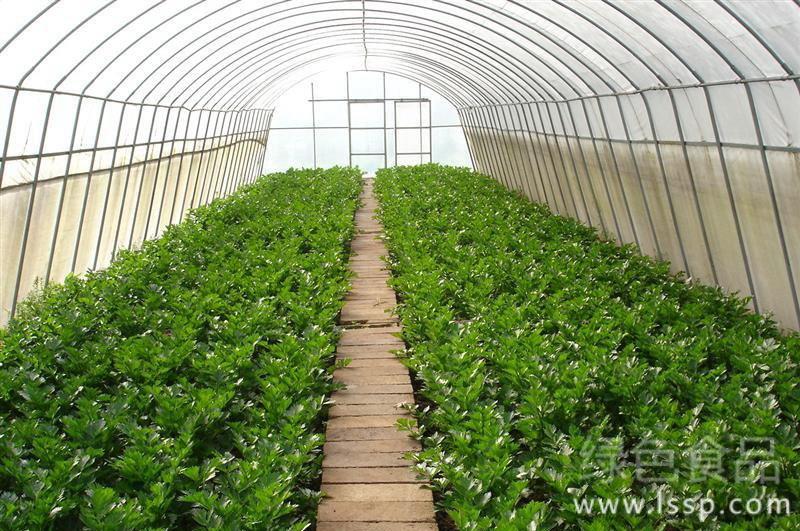
Six common mistakes to avoid when changing greenhouse film, vegetable growers should steer clear of them
Six common mistakes vegetable growers make when changing greenhouse film
-
Du Baoying's story of changing her life through diligence
Du Baoying: Changing life through diligence
-

Farmhouse fun becomes foreign-style fun: how can changing one word make such a big difference in income?
Farmhouse fun becomes "foreign-style fun": how can changing one word make such a big difference in income?!
-
The rapid development of agricultural e-commerce is becoming an emerging force changing the future of rural areas
Agricultural e-commerce is developing rapidly; agriculture-related e-commerce is becoming an emerging force changing the future of rural areas
条件筛选