-

What are the precautions for growing spider plants at home?
Precautions for growing spider plants at home. Spider plant: a perennial evergreen herbaceous flower of the genus Chlorophytum, it likes warm, semi-shady and humid environments, and requires loose, fertile, well-drained soil. The potting soil should be kept on the dry side, and clean water should be sprayed on the leaves regularly; keeping the indoor temperature no lower than 10 degrees is enough for it to overwinter safely.
-
Asparagus Fern: Home Cultivation Methods and Precautions
Precautions for Growing Asparagus Fern at Home. Asparagus Fern: Its branches and leaves spread out flat, like layers of thin clouds, and its stems are like bamboo, hence it is also called Cloud Bamboo. It likes warmth, humidity, and semi-shade, fears drought, is not cold-tolerant, and likes fertilizer. It requires soil rich in humus with good drainage. Asparagus Fern is a shade-loving plant and grows well under scattered light.
-
What are the precautions for growing Chinese hibiscus at home?
Precautions for growing Chinese hibiscus at home. Chinese hibiscus: the Chinese hibiscus flower loves light, warmth, and a humid, well-ventilated climate. It is not cold-tolerant and prefers loose, fertile, deep sandy loam. In winter, the lowest temperature should not drop below 15°C, otherwise it easily causes leaf drop. If the room temperature is kept above 20°C, it may continue to bloom through winter.
-
What are the precautions for growing wax begonias at home
Precautions for growing wax begonias at home. Wax begonia: a perennial herbaceous plant native to Brazil, also known as begonia, strawberry begonia, sunflower begonia, and glass begonia. In summer it does not tolerate direct sunlight or rain, so it should be shaded and protected from rain; if exposed to rain for a long time, the flower stems and leaves are prone to rot. In winter it likes plenty of sunlight
-

What are the precautions for planting mulberries? Keep these key points in mind
Precautions for planting mulberries
-
Fertilizing Methods and Precautions for Flowering Plants
The two-sided nature of top dressing: Like repotting, top dressing also requires the right conditions. You need to consider not only the season but also how the plant is growing, and take both into account. Applying it when it is actually needed will promote growth, flowering and fruiting; conversely, applying fertilizer blindly without considering the conditions can easily backfire.
-
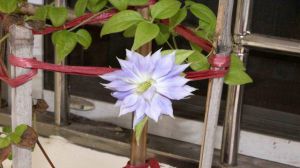
Is Clematis Poisonous? Safety Precautions for Keeping It at Home
Clematis is not poisonous. It is a perennial vine, often kept indoors as a potted ornamental plant, and its ornamental value is extremely high. In addition, it also purifies the air, making the indoor environment better. Placed next to a computer or TV, it can also absorb radiation and reduce the harm that electrical appliance radiation causes to people.
-
Can Christmas cactus be repotted in summer? Precautions for repotting in summer
Christmas cactus cannot be repotted in summer, because summer temperatures are relatively high, and it is still in a dormant state, having stopped growing. If you force repotting, it will damage the roots, and in severe cases lead to death. The most suitable time for repotting it is usually in spring or autumn, or in autumn, when the environment is suitable and the survival rate is higher.
-
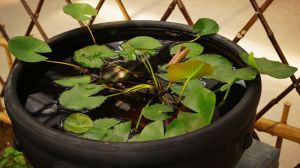
How to grow water lilies? Detailed guide to cultivation methods and precautions
Water flow: Water lilies prefer still water and dislike fast-flowing water. Soil: Choose river mud or field mud rich in sapropel. Filling with water: Fill so that the water just barely covers the soil surface, then gradually raise the water level later. Care: Make sure they are kept in full-light conditions.
-
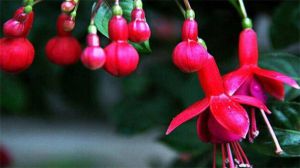
Can Fuchsia be kept indoors? Care precautions
Fuchsia can be kept indoors. Its flower shape is unusual and extremely elegant, so it can be grown as a potted plant indoors on balconies, windowsills, studies and other places; it can also be hung in places such as corridors and pergolas for viewing, but it should not be placed in the bedroom. At the same time, keeping it indoors has many benefits, such as ornamental value and air purification.
条件筛选