-

Can Hawthorn Be Eaten Raw? Things to Know About Eating Hawthorn Raw
Hawthorn is one of the ingredients of tanghulu (candied haws on a stick), and it can also be made into all kinds of foods, so can hawthorn be eaten raw? 1. The growth habits of hawthorn. Hawthorn is a plant of the genus Crataegus in the rose family (Rosaceae), and its main distribution areas are Shandong, Shaanxi, Shanxi, Henan, Jiangsu, Zhejiang,
-
How to make candied walnut canned food? Detailed production method shared
(1) Ingredient preparation: walnut kernels, 1% sodium hydroxide solution, 1% hydrochloric acid, 0.5% alum, 0.03% sodium metabisulfite, 0.9% disodium edetate, sugar liquid. (2) Process flow: ingredient inspection -> boiling -> shelling to obtain walnut kernels -> removing the dark skin -> rinsing -> precooking -> cooling ->
-
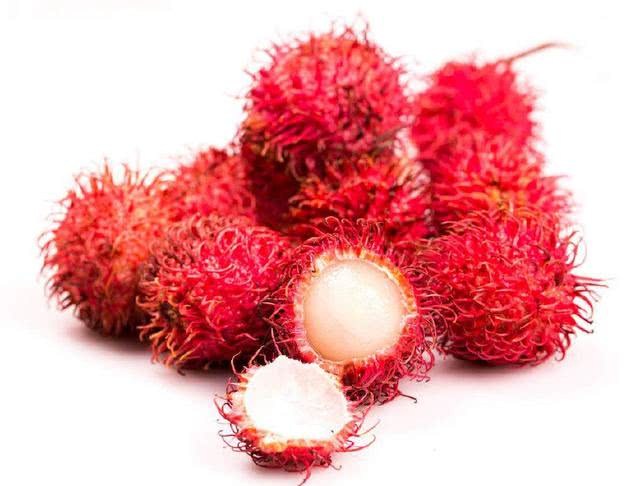
Rambutan is rich in nutrients and is suitable for eating fresh or for making canned goods, candied fruit, jam, jelly and wine.
Rambutan (scientific name: Nephelium lappaceum L.), also known as hairy lychee, shaozi, red-haired fruit, red-haired gall; it is a large tropical fruit tree of the Sapindaceae family native to Southeast Asia, called "rambutan" in Malay, ...
-
A Detailed Guide to the Production and Processing Methods of Candied Carambola
Sour-type carambola is not suitable for fresh eating and is a low-priced raw material. After being candied in sugar, it has a unique sweet-and-sour carambola flavor. With proper handling, it is still an excellent sugar-preserved product. (1) Process flow: raw material selection -> cleaning -> cutting -> color protection and hardening -> rinsing -> sugar processing -> drying -> packaging. (2) Key operating points: 1) Raw material handling: carambola at about 80% maturity. After washing, cut lengthwise along the individual ribs into long rib-shaped thick slices, or cut crosswise into 1.5 cm thick slices, then immediately put them into a 3% alum solution, add a trace amount of turmeric powder to make a suitable yellow soaking liquid, so that the carambola slices take on a bright light yellow color. Soak for 4-6 h, remove, drain off the water, and prepare for spiced sugar processing.
-
How are candied pear slices processed and made? Detailed method and steps
Candied pear slice production process 1. Process flow: raw material selection → peeling and slicing → salting → rinsing → blanching → sugar soaking → sugar boiling → sugar soaking → drying → finished product. 2. Raw material requirements: all pear varieties can be used. 3. Operation method: remove moldy and rotten fruit, peel, and cut into slices. Use salt at 15%-16% of the raw material weight, and pickle with one layer of fruit slices and one layer of salt. After pickling, because the salt solution has high osmotic pressure and has the effect of inhibiting the activity of microorganisms and enzymes, it can be preserved for a relatively long
-
How to Make Candied Lotus Root and Detailed Steps
1. Material selection. Choose fresh lotus root with a slightly yellow skin, pure white flesh, and a root diameter of 40-50 mm; and white sugar that is clean and white, with uniform granules, transparent, and meets hygiene standards. 2. Pre-processing. Wash the lotus root thoroughly in clean water, cut off the root ends, then rinse several times in clean water. Prepare a 2.5% sodium hydroxide solution and heat it to 90°C. Then put the washed lotus root into the sodium hydroxide solution and stir constantly. When the skin of the lotus root begins to peel off, remove it and rinse in clean water until
-
Processing Method and Production Steps for Candied Ginger Plums
This product is a traditional sugar-preserved food, formerly marketed in Southeast Asia, with a sweet, sour, salty, spicy and distinctive flavor. The processing technology is as follows: 1. Raw material preparation: Prepare ginger powder: use fresh tender ginger and fresh old ginger at a ratio of 4:3, wash both types of ginger thoroughly, scrape off the ginger skin and floating skin, then chop and carry out color protection by soaking in a 0.1% sodium bisulfite solution for 8 hours, then rinse with clean water, put into a pulping machine to make a fine pulp, spread in a drying tray, and dry in a dryer at 65-70 degrees Celsius to obtain dried ginger powder. Add sugar and adjust the powder: use pure
-
How are candied ginger slices processed? A detailed explanation of the production method
Select fresh ginger, wash and peel it, then cut it into thin slices 3~5 mm thick. Prepare the ingredients in the proportions of 50 parts ginger, 32 parts white sugar, 4 parts powdered white sugar, and 0.25 part citric acid. First prepare a citric acid solution equal in weight to the ginger slices, heat it together with the ginger slices until boiling, remove the ginger slices, rinse them clean, and drain off the water. Then prepare a 62%~65% concentrated sugar liquid, add 0.15% citric acid, and boil until the sugar is completely dissolved. After filtering out impurities, add the ginger slices and boil again. Boil until the sugar liquid is thick and a drop forms a bead, then stop the heat and remove the ginger slices. After removing the ginger slices,
-
Detailed Explanation of the Production Process and Processing Methods of Candied Mushrooms
1. Raw material selection: Choose fresh mushrooms with medium-sized caps, natural color, intact shape, and no disease or insect spots as processing raw materials. 2. Pretreatment: ① Brine soaking: Remove attached impurities from the harvested fresh mushrooms and immediately immerse them in 1%-2% salt water for 4-6 hours to increase the firmness of the mushroom bodies. ② Blanching: Pour the cleaned and drained mushroom bodies that have been soaked in brine into boiling water and blanch for 7-9 minutes to destroy enzyme activity and prevent browning of the mushroom bodies. ③ Trimming: In order to make the candied mushrooms neat and attractive,
-
Processing Methods and Technical Points for Candied Lion's Mane Mushroom
1. Material selection and handling. Select fresh lion's mane mushrooms (Hericium erinaceus) with normal shape, white or slightly yellow color, no mold, and no scars or damage as raw materials. Mycelium no more than 0.8 cm and diameter no greater than 5 cm is optimal. After harvesting, cut off the base, remove debris and impurities adhering to the spines, and immediately immerse in 2% saline solution; process as quickly as possible. 2. Blanching. Put clean water in a pot, add an appropriate amount of citric acid, place the lion's mane mushrooms in and boil for 5-6 minutes, then scoop out and quickly rinse with cold water. For larger specimens, cut them appropriately to make the mushroom bodies uniform
条件筛选