-
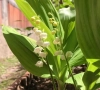
Are Lily of the Valley and Campanula the Same Plant? What Are the Differences Between Them?
Lily of the Valley and Campanula (bellflower), though similar in name, differ significantly in botanical characteristics, growing environment, and cultural symbolism. From the perspective of botanical classification and morphological features, Lily of the Valley, belonging to the genus Convallaria in the family Liliaceae, is a perennial herbaceous plant known for its small and delicate stature. The plant height is typically 10 to 3
-
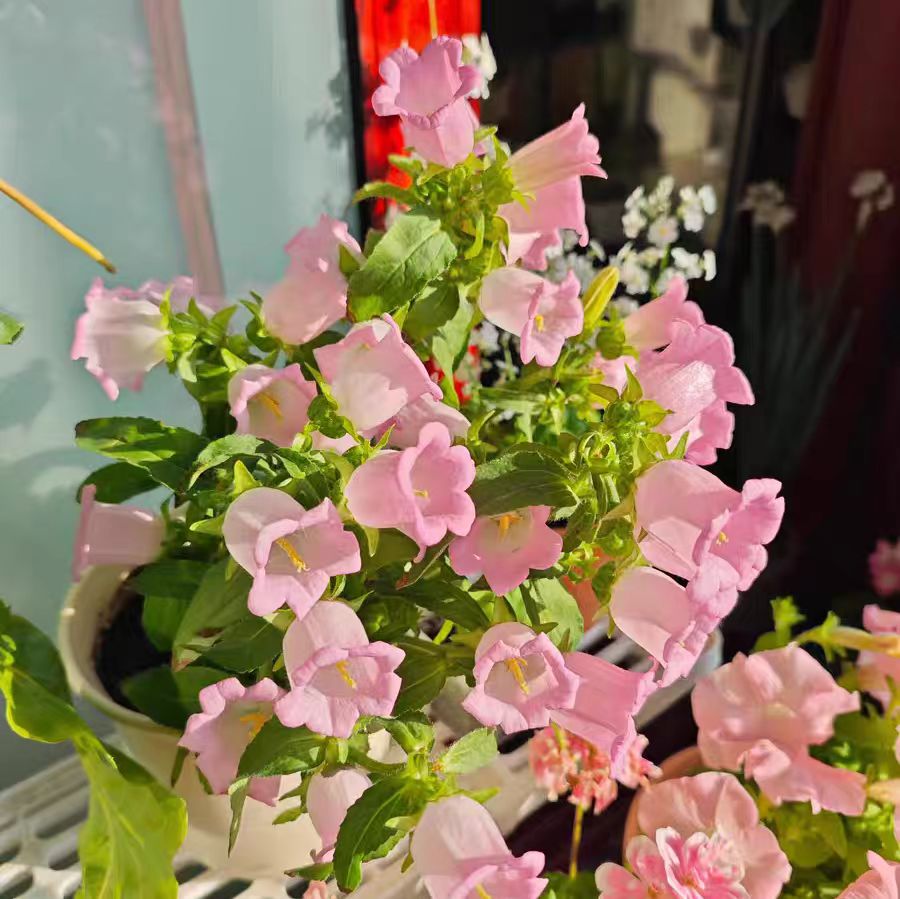
What are the differences between campanula and lily of the valley?
Campanula and lily of the valley, although having similar names, are actually two completely different flowers. They have obvious differences in many aspects.
-

What is the difference between bellflowers, campanula, and lily of the valley, which look alike?
In the floral world, many flowers look similar, especially those that resemble bells after blooming, and it is always hard to tell them apart at a glance. Among them, bellflower, campanula, and lily of the valley are the first to make people feel face-blind. How should you distinguish them when choosing flowers at the flower market on ordinary days? Let's learn about it together below. Generally speaking
-

How to Grow Danish Campanula? A Detailed Guide to Cultivation Methods
The Danish campanula has a sturdy plant form, with bell-shaped flowers that resemble strings of clear-sounding wind chimes. When the flowers bloom, it is like writing a fairy tale, making it a true internet-famous flower. So, what are the cultivation methods for Danish campanula? 1. Growing Danish campanula
-
What is the planting prospect of Platycodon grandiflorus? Latest market analysis
Platycodon grandiflorus (balloon flower) belongs to the Campanulaceae family and is a herbaceous perennial plant, also known as earth ginseng and Zhongling flower. It has the effects of dispersing lung qi, soothing the throat, resolving phlegm and expelling pus. In South Korea, North Korea, Japan, the countries of Southeast Asia and the northeast region of our country, eating Platycodon grandiflorus as a vegetable is very common, especially
-
A Detailed Guide to the Latest Precautions for Codonopsis Planting
Codonopsis belongs to the Campanulaceae family. It is a perennial herbaceous plant and a commonly used traditional Chinese tonic medicine, and Codonopsis is also a fairly commonly used Chinese medicinal herb today. It has the effects of tonifying the middle and boosting qi as well as strengthening the stomach and benefiting the spleen, and it can also enhance the human body's immunity. It also has a certain therapeutic effect on dilating blood vessels and on the problem of decreased white blood cells caused by chemotherapy and radiotherapy. So how much do we know about planting Codonopsis? Today the editor will mainly talk to you about the precautions for planting Codonopsis. Let's take a look together.
-
How to Grow Campanula? A Detailed Guide to the Latest Cultivation Methods
Campanula is also known as bellflower, tile-tube flower, and campanula flower, among other names. It is an annual, biennial, or perennial herbaceous plant of the genus Campanula in the family Campanulaceae, suitable for use as bedding and border material in small courtyard gardens, mainly grown as potted flowers, but can also be used in open-ground borders, suitable for arrangement in small courtyard gardens as
-
Is campanula poisonous? The latest answer is here
Everyone knows wind chimes; as the wind blows, they give out crisp ringing sounds, and many people like to hang one under the eaves. There is a kind of flower and plant with a very peculiar appearance; its flower buds hang downward and sway as a gentle breeze passes, just like a wind chime, hence the name campanula. Many friends
-
How to Grow Campanula? Detailed Guide to Cultivation Methods and Precautions
Campanula is a perennial herbaceous plant of the genus Campanula in the family Campanulaceae. This plant bears bell-shaped flowers, with common flower colors being blue, purple, pink, and so on. It prefers to grow in places with warm winters and cool summers and abundant sunlight, and is tolerant of partial shade. The genus Campanula has more than 200 species, almost all
-
When is the flowering period of campanula generally?
Campanula generally blooms during the period from April to June. It is understood that the flowering time of campanula is actually not fixed, because with different sowing times, the flowering time is also different. If sown in autumn, it will bloom from April to June the following year; if sown in spring,
条件筛选