-

Can Phalaenopsis aerial roots be buried in sphagnum moss without being prone to dying?
Those aerial roots that Phalaenopsis sends out from beside its leaves - can they actually be buried in sphagnum moss? It always feels awkward to just let them dangle outside, but I'm also afraid that burying them might end up killing the plant. First, you need to understand that Phalaenopsis aerial roots are not ordinary roots. If you look closely, you'll find that most of them are green or
-

When repotting a Phalaenopsis, should the nutrient cup be removed or buried together with it in the new pot?
When buying or cultivating Phalaenopsis, the nutrient cup is a common growing container. When repotting a Phalaenopsis, should the nutrient cup be removed? Can the nutrient cup be buried in the new pot together with the plant? Handling the nutrient cup correctly is crucial to the Phalaenopsis's subsequent growth, and this involves the rules of plant root growth and care
-
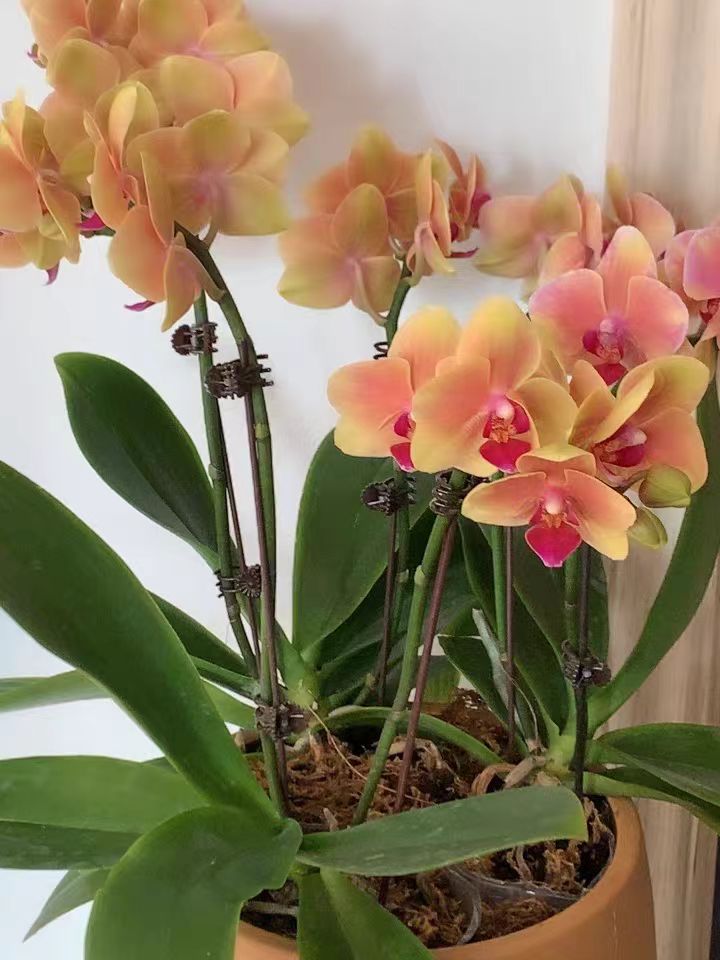
Should the roots of phalaenopsis orchids be buried?
Phalaenopsis orchids, an elegant and charming orchid variety, are deeply loved by flower enthusiasts for their unique growth habits and beautiful flowers.
-

Should Phalaenopsis roots be left exposed or buried?
Phalaenopsis, this elegant and charming orchid variety, is deeply loved by flower enthusiasts for its unique growth habits and beautiful flowers. When growing Phalaenopsis, a question often arises: should the roots of Phalaenopsis be left exposed? Do the roots need to be buried? First, we need to understand the root system characteristics of Phalaenopsis.
-
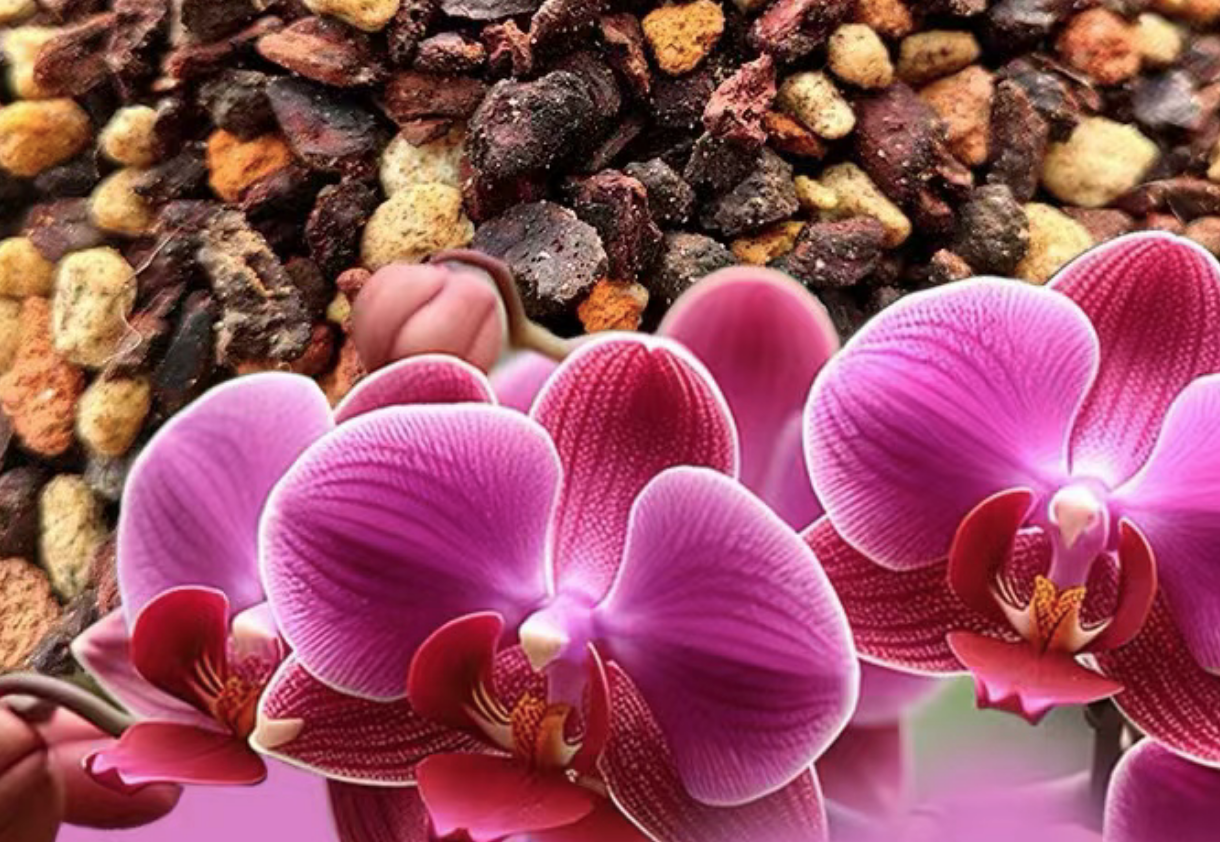
Can the aerial roots of Phalaenopsis be buried?
Summer has arrived. Every morning, the sky gets bright very early, making people feel particularly good. Therefore, many flower lovers want to roll up their
-

Can Phalaenopsis aerial roots be buried in soil? Key points for choosing soil
Summer has arrived, and every morning the sky brightens especially early, making people feel especially wonderful. As a result, many flower lovers want to roll up their sleeves and start caring for the plants on their balconies. Among them, a friend sent a private message to the editor, saying they were very curious about how the white roots of Phalaenopsis, which look lean, supply the orchid with life
-

Do newly grown aerial roots on Phalaenopsis orchids need to be buried in soil?
Phalaenopsis orchids bloom very beautifully, and many friends grow them as potted houseplants to enjoy. But Phalaenopsis is a flowering plant that grows aerial roots, and these aerial roots generally grow around the leaves. As for whether the aerial roots grown by Phalaenopsis need to be buried in soil
-
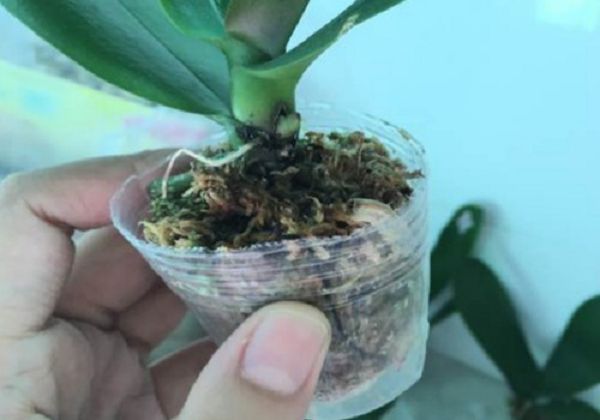
Do the aerial roots that Phalaenopsis orchids grow need to be buried in soil?
Should the aerial roots that Phalaenopsis orchids grow be buried with soil?
-
Analysis of Key Technologies and Economic Benefits of Deep-Buried Drip Irrigation for Cotton
Cotton "deep-buried" drip irrigation technology is another new high-efficiency water-use technology that has emerged following cotton subsurface hose micro-porous irrigation technology. This technology can utilize fertilizer and water with high efficiency, and its yield-increasing effect is obvious. I. Key Technologies 1. Irrigation The start of irrigation is at the cotton squaring stage. In the cotton region of northern Xinjiang, this is generally June 7-10, with irrigation carried out on a 3-day rotation cycle. If autumn is rainy, irrigation can be carried out on a 5-day cycle. Irrigation amount: at the squaring stage, each irrigation is 8 cubic meters per 667 sq m; at full flowering, 10 cubic
-
Detailed Explanation of Key Points of the Buried-Casing Cultivation Technique for Shiitake Mushrooms
First, the buried-casing cultivation of shiitake mushrooms adopts techniques such as natural color change, open fruiting, widening the wet-dry difference, and water management with alternating wet and dry conditions, which can make the shiitake mushrooms large in body, thick in flesh, and abundant in flower shiitake. Second, compared with the conventional method, the yield can be increased by 30%-40%. Third, after the substrate logs are removed from the bags and covered with soil, they can change color naturally and are not easily infected. Fourth, after the substrate logs are covered with soil, they can fully utilize and absorb the moisture and nutrients in the soil, which can save the cumbersome process of soaking the substrate logs to replenish water after each flush of mushrooms. The specific method is as follows: bed width 80-100 cm, depth 20 cm, length unlimited,
条件筛选