-
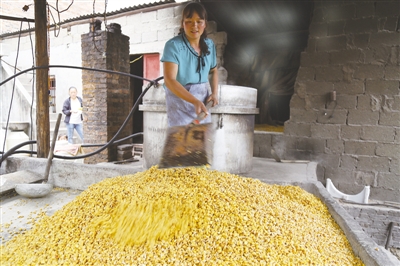
Making money by raising pigs and brewing liquor is a sound business, and a good path to increase income and get rich
There is a "way" to make money by raising pigs and brewing liquor
-

Tea Can Be Brewed into Alcohol Too? Songyang Tea Master Pan Zhangjun Tells You
Pan Zhangjun: The "Songyang Tea Master" Who Brews Alcohol from Tea Leaves
-
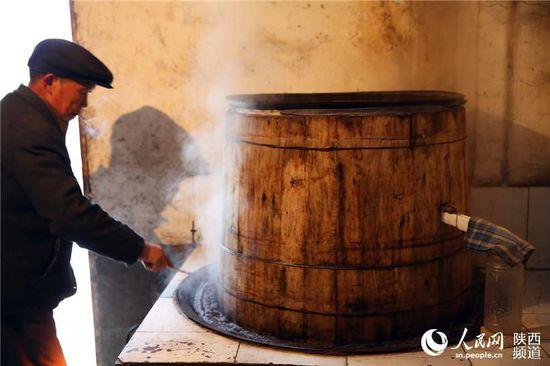
Farmhouse traditional home-brewed liquor: only after drinking it do you know what real Chinese liquor is
Only after drinking farmhouse traditional home-brewed liquor do you know what real Chinese liquor is
-
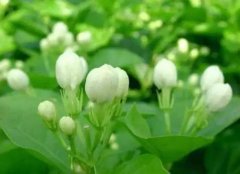
What are the benefits and effects of jasmine tea? A detailed guide to the uses of jasmine in tea
Jasmine flowers can be brewed into tea, a very good health tea; let's take a look at exactly what effects they have. 1. Regulating female hormones Jasmine flowers contain linalool and farnesol, components similar to the hormone progesterone, which can supplement progesterone deficiency and regulate women's
-
Detailed Explanation of the Method and Technique for Brewing Yellow Rice Wine from Potatoes
Potatoes are rich in starch and highly nutritious. Using potatoes as the raw material to brew yellow rice wine not only keeps costs low but also produces good wine quality. 100 kg of potatoes can yield about 85 kg of 50-proof yellow rice wine. Pretreatment. Wash and peel potatoes that are free of pests, disease and rotten spots, then put them in a pot and boil. After taking them out and letting them cool, pour them into a large earthenware vat or stainless steel pot and mash them into a paste with a wooden stick. Prepare the starter material. For 100 kg of potatoes, use 100 g each of Sichuan pepper and fennel, add 20 kg of water, bring to a boil over high heat in a pot, then simmer over low heat for 30-40 minutes. Take out and cool
-
Detailed Explanation of the Technical Method for Brewing Baijiu from Sweet Potato
Brewing is the process of using starch as a raw material and, through the action of fermenting microorganisms, converting starch and sugar into alcohol. In China, in addition to grains (rice, sorghum), sweet potato is mainly used as a brewing raw material. When sweet potato is used as the raw material for brewing, its starch utilization rate and liquor yield are higher than those of other grains, while the cost of the liquor is low. 1. Process flow: making jiuyao (starter culture) -- raw material treatment -- fermentation -- distillation -- adjustment of alcohol content -- storage. 2. Key points of process operation: ① Making jiuyao: jiuyao can be divided into two types, black and white.
-
Strawflower is both a flower and a tea, good for ornamental viewing and for brewing tea
Strawflower is also known as shell flower. The flowers are hard, shaped like shells or wheat straw, and resemble chrysanthemums, hence the name. The flowers can be brewed as tea and have effects such as cooling and relieving summer heat, refreshing the mind and lowering blood pressure, with no toxic side effects, making them a fine beverage. The flower colors are gorgeous, the flowering period is long, planting is simple, management is extensive, and adaptability is strong. It can be grown in pots or in the ground, and it is very popular. 1. Plant characteristics. Asteraceae, annual herbaceous flower. Plant height 50-70 cm, leaves dark green, long elliptical, lanceolate, leaves alternate, 7 cm long and 2 cm wide. Flowers double-petaled, flowers stra
-
Diagnosis and Treatment of Pig Brewery Waste Poisoning
Pig brewery waste poisoning is mostly caused by long-term feeding of brewery waste without other feed to accompany it, or by suddenly feeding a large amount of brewery waste or moldy brewery waste. The toxic components of brewery waste are the residual alcohol in the waste, as well as the organic acids and fusel oils produced after continued fermentation and rancidity of the waste, such as acetic acid, n-propanol, isobutanol, etc. 1. Clinical symptoms: 6 finishing pigs weighing 35kg-45kg raised by a certain farmer showed poisoning symptoms after eating brewery waste, and one died. In the early stage of poisoning, the pigs' feed intake dropped sharply
-
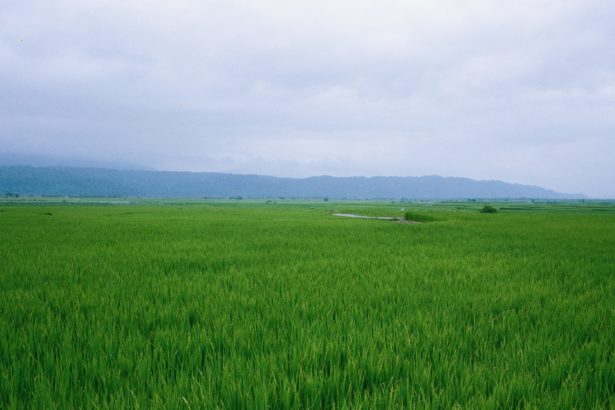
Rice multicultural practice: Four key elements for local sake brewing need breakthroughs
Li Jianwei / Heart of Sake 03: Let local sake brewing become a practice of rice multiculturalism! Four key elements need breakthroughs
-
How can you distinguish spring tea, summer tea, autumn tea and winter tea after brewing?
Spring tea: when brewed, the tea leaves sink relatively quickly, the aroma is strong and lasting, the taste is mellow, the liquor is clear and bright, the brewed leaves are soft and thick, there are many normal buds and leaves, and the leaf veins are fine and dense with inconspicuous serrations on the leaf margin. Summer tea: when brewed, the tea leaves sink relatively slowly, the aroma is not high enough, the taste is somewhat bitter and astringent, the brewed leaves are thin and rather hard, there are relatively many opposite leaves (with inconspicuous terminal buds), the leaf veins are coarser, and the serrations on the leaf margin are obvious. Autumn tea: the aroma is not high, the taste is light and slightly astringent, there are many opposite leaves, the serrations on the leaf margin are obvious, and the leaf blades vary in size. Winter tea: the aroma tends toward a light fragrance type, and the taste is smooth and softer than spring tea
条件筛选