-

Blue Plumbago: Flower Language, Meaning, Growing Methods and Precautions
The reason blue plumbago is so loved by many flower lovers is mostly because its blue petals are truly beautiful, followed by its strong heat tolerance, making it very suitable for care in the scorching summer, and lastly because it is easy to grow and has a fairly long blooming period, usually lasting from July to September, with some even extending into early autumn in October. Besides its pretty flower shape
-

Which Is More Cold-Hardy, Golden Dewdrop or Blue Plumbago? A Breakdown of Their Differences
In the world of flowers, both golden dewdrop and blue plumbago are much-loved ornamental plants, yet when tested by cold climates, their cold tolerance differs. Golden dewdrop (Duranta erecta) originates from tropical and subtropical regions, and its tolerance of cold is relatively weak. When the temperature drops to a certain level, it is prone to
-

Blue Plumbago: Flower Meaning, Symbolism, Growing Methods and Precautions
In the world of colorful flowers, the azure blue of the blue plumbago is unforgettable at first sight. It symbolizes strong perseverance and pure love, and represents the power and courage to move forward. Also known as blue flower leadwort, it is one of the most common flowers of summer and is often seen in parks and courtyards. When the flowering season arrives, it blooms in
-

What are the latest cultivation methods for blue plumbago?
Hearing the name "blue plumbago" cannot help but brighten one's eyes, giving a very fresh feeling and sparking endless reveries about what it looks like. In fact, it has another name, "shanhuichai", and with two such different names attached to the same flower, just what kind of flower is it?
-
The Latest Guide to Growing and Caring for Blue Plumbago: Methods and Precautions Explained
Blue plumbago (Plumbago auriculata), with its emerald-green leaves and elegant flowers, is a very beautiful perennial upright herbaceous flowering plant. Grown in pots, it can be used to accent balconies and living rooms, and its flowering period lasts up to 14-18 weeks, making it a favorite flowering plant for many people to grow. Below, let's take a look together with the editor at how to grow blue plumbago.
-
What Conditions Are Needed for Growing Blueberries? A Detailed Guide to the Latest Growing Requirements
Blueberry, also known as blue plum, dusi, dushi, etc., is a perennial shrub of the genus Vaccinium in the family Ericaceae. It is named for its blue fruit and is rich in nutrients, containing not only conventional nutrients but also extremely abundant flavonoids and polysaccharide compounds, giving it very high cultivation
-
When Does Blue Plumbago Bloom? An Introduction to Its Blooming Season
Blue plumbago, also known as mountain ash kindling, is generally used to accent balconies or bedrooms at home, and it looks very attractive. So, do you know when blue plumbago blooms? Let's take a look together! 1. When does blue plumbago bloom? Blue plumbago generally blooms from July to September each year
-
How should blue plumbago be cared for in winter to survive the cold safely?
Blue plumbago, also known as shan hui chai and false indigo (Henan), jiao zhu hua, etc., is a perennial upright herbaceous plant of the Plumbaginaceae family, genus Plumbago. Its flowers are elegantly light-colored, giving a cool feeling in the hot summer, and it can be potted to decorate rooms and balconies. So, how does blue plumbago
-
How to Prune Blue Plumbago? A Detailed Guide to Pruning Methods
Blue plumbago (Plumbago auriculata) is a perennial upright herb in the genus Plumbago, family Plumbaginaceae. Its flowers are blue and its ornamental period is long, so many people want to grow a pot of it. So, what are the pruning methods for blue plumbago? 1. Pruning methods for blue plumbago. Blue plumbago has vigorous growth and a very long flowering period, so it should be pruned during the growing season and after the flowers fade.
-
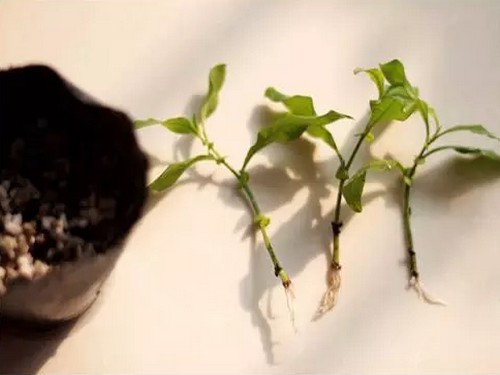
A detailed guide to blue plumbago (Plumbago auriculata) cuttings: easy to learn
You have a blue plumbago yourself and want to propagate it by cuttings. You cut off a piece of stem, remove the leaves from the lower half, and put it in water. Then, a few days later, the bottom has turned black, and the leaves at the top have wilted. Then you cut off the blackened bottom part and keep it in water. Then, a few days pass
条件筛选