-
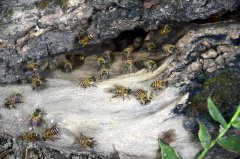
What is the whole process of how bees collect nectar?
With the rise of the health-preservation trend, eating natural honey has become a global craze, but people know only a little about honey and bee ecology. Wu Shuhui, an assistant researcher in the Botanical Garden Division of the Taiwan Forestry Research Institute who is in charge of curation, said that many people love eating honey but do not know where honey comes from.
-

What Are the Dangers of Pesticides? The Banned Drug Fipronil Poisons Millions of Bees
Millions of bees have been poisoned by the banned pesticide fipronil! Reports of damage have come from the Puli and Caotun areas of central Taiwan, China. What exactly happened? Let's take a look together. Quick facts about fipronil: It is used as a pesticide, an animal drug and an environmental drug; it acts as a neurotoxin and has an immediate effect on insects.
-
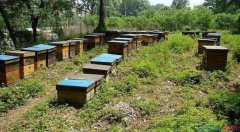
Introduction to Model Beekeeping with the Chinese Honeybee: Beekeeping Techniques Teach You How to Keep Bees
What is model beekeeping like? How good is this beekeeping method? How exactly is model beekeeping done? Let's take a look together. Model beekeeping is currently the most advanced beekeeping technique in China. Model beekeeping saves manpower and material resources, builds strong colonies that do not swarm, and the bees have a particularly strong resistance to wax moths. When the queen's egg-laying ability declines, natural supersedure occurs on its own without human intervention; usually two queens lay eggs in the same hive, rapidly strengthening the colony, greatly increasing honey production, several times or even more than ten times higher than conventional rearing methods.
-
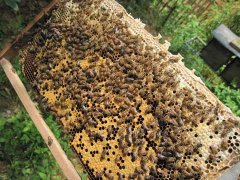
Introduction to Bee Keeping Techniques and Common Types of Pests
Bee keeping also requires attention to the harm caused by pests. Bee pests include bee species, bee lice flies, and wax moths that damage the wax of brood combs. Bee enemies include toads, spiders, and hornets. Let's take a look below. Toads: Toads mostly appear in summer
-
Is Kangkuan insecticide harmful to bees? Can it kill bees?
Insecticides cause disaster, and large numbers of bees die from acute poisoning. Watching the Western honey bees, golden yellow all over and covered in fuzz, fall to the ground one by one, twitching and no longer able to fly up into the sky, the beekeeper surnamed Xiao, who keeps more than two hundred hives in Dashu, Kaohsiung, also appeared helpless. Digging deeper into the cause,
-
Drought Severely Affects Honey Production: Responding on Three Fronts - Sugar, Beehives, and Bee Colonies
The drought has affected beekeepers' livelihoods. The Council of Agriculture decided to subsidize beekeepers' sugar expenses for feeding bees, remove the per-household cap of 49,000 yuan on beehive assistance, and, once the disaster loss ratio and assistance amount for bee colonies are determined, amend the agricultural natural disaster assistance regulations to include bee colonies
-

How Are Bees Kept? A Detailed Guide to Methods and Techniques
Summary Selecting bee species: choose local bee species that collect plenty of pollen for keeping. Choosing a beehive: the hive material should be sturdy and lightweight; generally, a movable-frame hive can be used, which makes later management and honey harvesting convenient. Transferring the colony: place the colony together with its comb into the movable-frame hive. Supplementary
-
Key Technical Points and Daily Management Methods for Beekeeping
Abstract Breeding environment: A small hill or mountain area with trees should be chosen; the beehive should not have cracks or holes, and the beehive should be about 50cm above the ground. Choosing bee species: The adaptability of bee species varies from place to place, so it is recommended to keep your own stock, which can ensure the purity of the bee species. Feed
-
A Detailed Guide to Beekeeping Techniques, Sharing Practical Beekeeping Methods
Summary Selecting a bee colony: understand the local natural environment in advance, and choose a bee species suitable for local beekeeping. Choosing a beehive: choose a beehive made of solid material and light in texture; beginners can choose a movable-frame beehive. Transferring the bee colony: place the bee colony that was purchased or captured from the wild into
-
How to prevent and treat chalkbrood disease in bees? Practical tips shared
Abstract Change box and change comb: Remove all diseased brood combs and pollen-honey combs from the diseased colony, and thoroughly disinfect the combs after replacing them. Medication: After changing the box and combs, promptly feed nystatin; or choose fresh old garlic, peel it, mash it and mix with water, place it on the bottom board of the hive, and let the bees lick it.
条件筛选