-
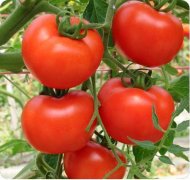
How many types of tomato fruit cracking are there? Remedies for fruit cracking in large and small tomatoes
Tomato fruit cracking: how to remedy it? Do you want to know? If so, then let's take a look together! The phenomenon of tomato fruit cracking can be divided into four types: radial cracking, concentric cracking, compound radial and concentric cracking, and irregular side cracking. A. Choose varieties
-
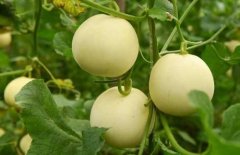
What Are the Growing Regions of Muskmelons? A Full Guide to Variety Classification and Selection Tips
Muskmelons can be roughly divided into three types: the netted muskmelon, which of course has a netted rind, with flesh that can be green, white or orange; the Hami melon, oval in shape, improved from the original Hami melon of Xinjiang, elongated oval in appearance with orange flesh, and its biggest difference from the muskmelon
-

A Detailed Explanation of the Material Properties and Grade Classification of American Douglas Fir
Douglas fir is a relatively common construction timber, enjoying high recognition around the world, especially in North America. Because Douglas fir is very hard and has strong wear resistance, it is particularly suitable for use in supports, bridge components, wooden houses, commercial buildings and other places.
-
The Complete Guide to Edible Mushroom Cultivation Techniques: A Full Explanation of Growing Methods
Cultivating edible mushrooms can be divided into two methods: bed-frame shelf style and ground cultivation; which one to choose specifically should be based on local conditions. After choosing the raw materials, ferment them according to the ratio. Once fermentation is complete, select a good variety and sow it, and finally control the temperature at 22-26 degrees and the humidity at 60%, and do a good job of ventilation
-
When is the rice maturation season generally?
Rice maturation can be divided into several different varieties of rice. Early rice matures in early to mid-July each year; middle rice matures in mid to late September each year; late rice matures in early to mid-October each year. The sowing time for different rice varieties also varies each year, and depending on the differences between northern and southern regions
-
A Detailed Guide to the Latest Watermelon Harvesting and Storage Methods
Watermelons generally ripen in batches, and they do not necessarily all ripen at once, so harvesting watermelons is ongoing work that must be done once they reach maturity. Each time you harvest, you should generally pay attention to using a suitable harvesting method and picking at the right time. In addition, you need to judge
-
What type of plant is the sunflower? A detailed guide to the latest plant classification
Sunflowers can be divided into general ornamental varieties and edible varieties. General ornamental varieties are characterized by shorter plants, usually no more than half a meter, so they are suitable for growing in pots. Edible varieties are taller, planted in ordinary open-air nursery soil, and can grow
-
Spinach Cultivation Technique Tutorial: A Detailed Explanation of the Latest Growing Methods
Spinach can be divided into 5 types: root-stubble spinach, buried-head spinach, spring spinach, summer spinach and autumn spinach. Spring spinach can be sown once temperatures rise above 5°C in early spring, with March being the suitable sowing period; it is harvested 30-50 days after sowing. Varieties with late bolting and thick, large leaves should be chosen.
-
What types can the buds of walnut trees be divided into?
Walnut is a monoecious plant with separate male and female flowers, and its buds can be divided into leaf buds, female flower buds, male flower buds and dormant buds. Female flower bud (mixed bud): mostly borne on the first 1-3 nodes at the tip of the branch. Its morphological characteristics are: the bud body is the largest, spherical, with scales tightly wrapped, and the bud tip is bluntly rounded. After the female flower bud
-
What Categories Can Walnut Varieties Be Divided Into? Understanding Walnut Classification in One Article
The selection of walnut varieties is the foundation for developing the walnut industry. However, in practical application, walnuts can be classified into the following many categories according to their different characteristics. 1. Varieties classified by walnut origin: Xinjiang walnuts, North China mountain walnuts, Qinba mountain walnuts, Tibet highland walnuts.
条件筛选