-

Basic Overview of Protein in Pig Nutrition
(1) Carbohydrates Carbohydrates are the most widely available and the largest proportion of nutrients in the diet, and are the main energy source for pigs. In cereal grain feeds, there is very little soluble grass sugar and disaccharide, mainly starch, so it is the main energy source for pigs. Starch is broken down by amylase in the digestive tract into glucose, which is then absorbed into the blood as blood sugar. It provides energy through biological oxidation in the body. The digestibility of soluble sugar and starch by livestock is 95%-100%. For piglets before 2-3 weeks of age, due to insufficient pancreatic amylase and intestinal disaccharidase secreted in the digestive tract, piglets fed large amounts of starch feed grow poorly. Before 7 days of age, piglets fed glucose and lactose can utilize them effectively. After 7-10 days of age, they can utilize fructose and sucrose, but young pigs after feeding generally suffer from severe diarrhea, weight loss and high mortality. Crude fiber, after treatment with a certain concentration of acid and alkali, the remaining residue is called crude fiber. This determination method is incorrect. Generally, crude fiber in feed contains cellulose, hemicellulose and lignin, and their composition ratio is unstable. In typical feed crude fiber, the contents of cellulose, hemicellulose and lignin are 50%-80%, 20% and 10%-50% respectively. Cellulose and hemicellulose are polysaccharides. Cellulose is a glucose polymer, and hemicellulose is composed of hybrid sugars (glucose, fructose, mannose, galactose, arabinose, xylose, rhamnose, uronic acid). Lignin is a group of complex and difficult-to-digest substances - incomplete polymers of phenylpropane derivatives. These substances are the main structural components of plant cell walls. In the Van Soest analysis method, neutral detergent fiber (NDF) estimates the total plant cell wall components mainly composed of cellulose, hemicellulose and lignin. Acid detergent fiber (ADF) includes cellulose and lignin. The difference between NDF and ADF is the hemicellulose in the feed. The pig small intestine has no enzymes to digest crude fiber and cannot digest cellulose, hemicellulose and hemicellulose, but crude fiber enters the large intestine and undergoes microbial fermentation. The main end product of its digestion is volatile fatty acids, which supply about 5%-28% of the maintenance energy requirement. The digestibility of crude fiber is generally 30%-39%. Its digestibility is affected by fiber source, degree of lignification, content in the diet and degree of processing, so it varies greatly. The utilization of fiber is affected by the physical and chemical composition of the diet, the nutritional level of the diet, and the age of the animal. The digestibility of crude fiber varies from 0 to 97%. There is still no conclusion on the fiber level in diets for growing-finishing pigs. It is generally believed that for growing pigs around 20 kg body weight, the dietary crude fiber level is 6%. Some also believe that the level of neutral detergent fiber with low lignin should be less than or equal to 15%. Some experts believe that the crude fiber level in sow diets is 10%-12%. If the crude fiber level in the diet is too high, it reduces the digestibility of feed organic matter and energy. Increasing crude fiber in the diet by 1% reduces total energy digestibility by about 3.5%. It has also been reported to affect protein digestibility. In diets in the late finishing period, a higher level of crude fiber can be used to limit feed intake, reduce body fat deposition, and improve carcass quality. For every 1 percentage point increase in crude fiber content in the diet, backfat thickness is reduced by about 0.5 mm.
-
What to Do About Phenol Poisoning in Dogs? Emergency First Aid Basics, Part Two
Phenol-based preparations are widely used in public health disinfection and in veterinary clinical work, with common preparations including carbolic acid, Lysol, guaiacol, xylene and others. As a corrosive agent and sterilizing agent, phenol can be used to disinfect floors, kennels and large feeding utensils; if a dog licks and ingests a certain amount, poisoning symptoms will appear. Phenol preparations can cause damage to the nervous system. Skin in contact with phenol preparations becomes red and exudes fluid. The affected dog is listless, vomits, has tonic convulsions and paralysis. During treatment, the local skin should be washed clean with water, then use 10% ethanol
-

From Food Safety to the Basic Act on Food Education: What Does Li Dingzan Say?
From Food Safety to the Basic Act on Food Education (Li Dingzan)
-
How to Grow Periwinkle So It Overflows Its Pot? Master These Care Basics
Soil: When planting periwinkle, never use saline-alkaline soil, and the soil must have good drainage and aeration. Light: Periwinkle quite likes sunlight; keeping it in a spot with suitable, ample sunlight is very helpful for flowering and can also effectively prevent leggy growth
-
How to care for winter fruit-bearing ornamental plants? These care basics you need to master
Light and air These fruit-bearing ornamental plants all need plenty of light, so in winter you need to frequently let them take in the rare sunshine to enhance their ornamental value. At the same time, you must also ensure these plants are in a well-ventilated environment to prevent premature fruit drop caused by poor air circulation, which would reduce their ornamental value
-
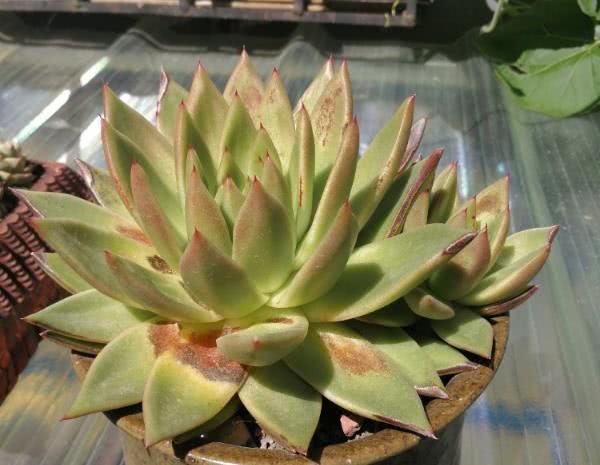
Can fallen succulent leaves survive just by touching soil? Learn the basics of care
Because of the unique way succulent leaves store water, even after being separated from the mother plant for a long time, the leaf remains fresh and alive. Once it touches soil, the succulent's regenerative cells spring into action, growing roots and new leaves, forming...
-
A complete guide to the basics of southern rice black-streaked dwarf disease
Rice seedling rot is the collective term for seed rot, bud rot and dead seedlings that occur at the seedling stage. Rice seedling rot can be divided into two types: physiological and infectious. Physiological seedling rot is mainly caused by low temperatures and mistakes or poor management practices in the seedling nursery; infectious seedling rot is caused by pathogen infection, and the main diseases include rice cottony rot, rice putrefactive disease and rice...
-

-
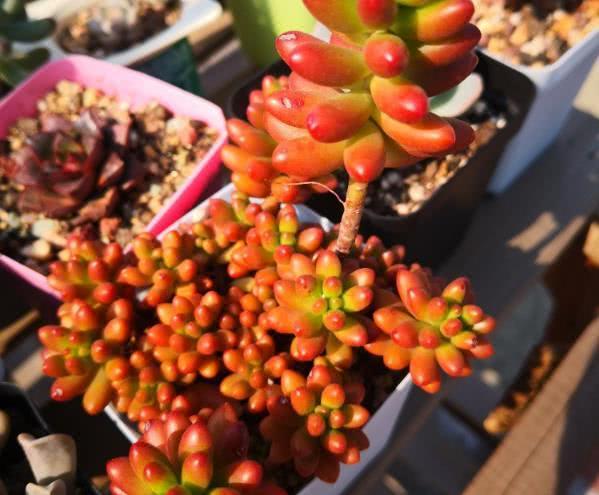
How long is it appropriate to sun your succulents? Master these basics and they will get more and more beautiful the more you grow them
Most succulents love sunlight, and basking for 6 to 8 hours a day is ideal, but for those of us with just a balcony, managing 2 to 3 hours a day is already good. If they can get more than 6 hours of sun a day, the colors of the succulents will become exceptionally beautiful...
-

条件筛选