-

Xinjiang Barkol's level of agricultural mechanization reaches 88%
(Xinjiang Daily News) In the scorching heat of late July, the reporter came to the home of He Xuechun, a villager of Huazhuangzi Village, Huayuan Township, Barkol Kazakh Autonomous County. Outside his yard, windbreak forests grow densely, and a gentle breeze brings coolness. In the yard are parked all kinds of agricultural machinery
-
China's agricultural machinery embarks on the road to green transformation
At the recently concluded Fourth China Shanxi Specialty Agriculture Expo, electric agricultural machinery became one of the most eye-catching exhibits. Electric tractors, electric micro tillers, electric lawn mowers and other types of electric agricultural machinery not only have different functions and appealing designs, but are also extremely competitively priced
-
Two Farmers Embark on the Internet Plus Path
Old Yang runs a small vegetable shop in Xiangshan, Beijing - Linhe Vegetable Shop, and Xiao Ma is his regular customer. One day, after Xiao Ma finished choosing his goods, he did not take out his wallet, but instead used his phone to scan a QR code at Old Jia's checkout counter, entered 17 yuan
-
China's veterinary drug industry embarks on a new journey of transformation and upgrading
In recent years, the international veterinary drug market has entered a period of monopolistic development, with multinational companies successively merging and reorganizing. Data shows that the market share of the world's top five animal health product companies rose from 34% in 1998 to 65% in 2009; over 11 years, concentration increased by 31%.
-
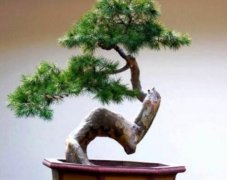
Can Lacebark Pine Be Made into Bonsai? Latest Prices and Medicinal Value Introduction
Lacebark pine (Pinus bungeana) is a plant commonly used for landscaping, but this plant also has high medicinal value. What medicinal value does it have? Many people say that the seedlings of lacebark pine and black pine are very similar, so can lacebark pine be made into bonsai? Lacebark pine
-
How much is Dictamnus dasycarpus bark per jin? Detailed introduction to its effects and uses
Dictamnus dasycarpus bark is a traditional Chinese medicine with the effects of clearing heat and drying dampness, dispelling wind and removing toxin. So how much is Dictamnus dasycarpus bark per jin? What effects does it have? Let's take a look below. 1. How much is Dictamnus dasycarpus bark per jin? The price of Dictamnus dasycarpus bark is generally 45-80 yuan per
-
What Is the Difference Between Magnolia officinalis Flower and Magnolia officinalis Bark? A Clear Guide
Magnolia officinalis is a Chinese medicinal herb that can be taken together with Coptis chinensis, Ophiopogon japonicus and others. It has the effects of lowering blood pressure, resisting allergies and inhibiting skin tumors, and the whole plant can be used. So what is the difference between Magnolia officinalis flower and Magnolia officinalis bark? 1. What is the difference between Magnolia officinalis flower and Magnolia officinalis bark? Magnolia officinalis flower and
-
Lacebark Pine Cultivation and Management Techniques: How to Plant Lacebark Pine Seedlings
The lacebark pine (Pinus bungeana) is a tree species that loves light and fertilizer, and is currently relatively common in Shanxi and other places in our country. The lacebark pine has certain economic uses and medicinal value, so it is deeply loved by consumers. Nowadays many people want to plant this tree, but before planting
-
Prevention and Control Methods for Bark Cracking and Trunk Dehydration in Young Jujube Trees
Yining County once developed jujube trees on a large scale. In years with heavy winter snowfall, when the snow melted in early spring, the trunk below the snow line (about 20 cm high) was soaked by melting snow water and exposed to wind, causing rot and bark splitting, which blocked the tree's vascular tissue and led to drying and death.
-
Key Points of the Film-Wrapping Regeneration Technique After Bark Peeling of Eucommia ulmoides
1. Peeling cycle. Mastering the peeling cycle has practical significance for increasing the per-unit-time bark yield and economic benefits of Eucommia ulmoides. From the perspective of short-term benefits, the shorter the peeling cycle, the greater the bark yield, but the regenerated bark will become increasingly thinner, and at the same time the tree vigor will be noticeably weakened, and the bark-producing life of the tree will be relatively shortened.
条件筛选