-
-

Hsinchu City Food Forest Series August 18 Jeans Concert Event
8/18 [Jeans Concert] - Hsinchu City Food Forest Series
-
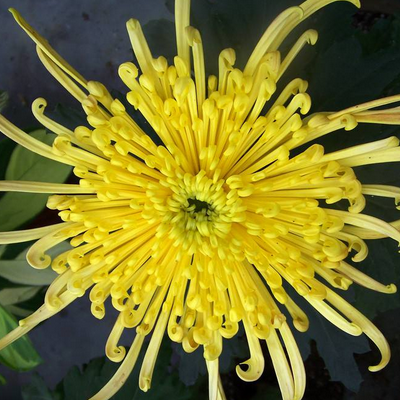
Can chrysanthemums be propagated by cuttings in August? A detailed guide to the cutting method
Chrysanthemums are the flowers of autumn and a symbol of the season, usually blooming from August to October. So can chrysanthemums be propagated by cuttings in August? How do you take chrysanthemum cuttings? Can chrysanthemums be propagated by cuttings in August: Chrysanthemums can be propagated by cuttings, but the timing and season matter for taking chrysanthemum cuttings.
-

Key Management Techniques for Rice at the Booting Stage in August
I. Field Management at the Booting Stage After good early vegetative growth, rice enters the reproductive growth stage of the middle and late periods. Strengthening water and fertilizer management at this stage is very important for high yields. Apply panicle fertilizer judiciously, depending on the field growth of the rice: for plots with too many stems per mu and dark green leaf color, do not apply; for plots with insufficient stems per mu and yellow leaf color, apply fertilizer, which can produce a clear yield increase. 1. Applying booting fertilizer: around August 5, for plots that did not receive early panicle fertilizer (mid-to-late July) and whose leaves have turned yellow at this time, apply 5-7 jin of urea per mu.
-
Four key points for rice management in August: seize the critical period to ensure a bumper harvest
1. Apply rice field herbicides at the right time. To eliminate weeds in the rice field, herbicides should be applied at the right time. This saves labor (no need for intercultivation) and money (about 2 yuan per mu for chemicals), and also resolves the conflict of weeds competing with rice seedlings for fertilizer and light, which restricts the normal growth and development of rice seedlings. The specific method is: 5—7 days after transplanting, apply per mu 20 grams of Caocaolong or 60—100 grams of Dingbian mixed with urea (combined with topdressing), fine sand, or dry mud powder 30—40 jin, broadcast after the dew has dried, and maintain a shallow water layer for 4—
-
Detailed Explanation of Key Points for Rice Field Management in August
I. Apply rice field herbicides at the right time. To eliminate weeds in the rice field, rice field herbicides should be applied at the right time. This saves labor (no need for intercultivation) and money (about 2 yuan per mu for chemicals), and can also resolve the conflict of weeds competing with rice seedlings for fertilizer and light, which restricts the normal growth and development of rice seedlings. The specific method is: 5-7 days after transplanting, use 20 grams of Caodaolong or 60-100 grams of Dingbian per mu, mixed with urea (combined with topdressing), fine sand or dry mud powder 30-40 jin, and broadcast after the dew has dried, maintaining a shallow water layer for 4-5 days. II. Achieve scientific fertilization. Late rice in our province
-
Do a good job of cotton management in July and August for a more secure bumper harvest
I. The importance of battling through July and August. The flowering and boll-setting stage is the longest stage in cotton's growth period and the time when natural resources such as light, heat and water are most abundant, which is very favorable for cotton growth and development. However, this period also has its unfavorable side: not only are natural disasters such as wind, hail, drought and waterlogging frequent, but pests and diseases also occur and cause serious damage. As the farming proverb says, "Cotton is a weed in the dog days; good can turn bad, and bad can turn good." Therefore, this period is the key period for securing a bumper cotton harvest, especially this year, when the cotton growth process is delayed by 7-10 days compared with previous years, and the seedling condition
-
August Is the Right Time for Foliar Potassium Spraying on Cotton
Because the content of available potassium (including water-soluble potassium and readily available potassium) in the soil decreases year by year, available potassium has become the number one demand in cotton nutritional physiology. When 30-40 jin of high-quality potassium fertilizer is applied in the base fertilizer, due to the consumption by cotton growth and development and leaching after heavy rain, by August the available potassium content in the soil will again drop to its original level. Entering August, as soil aeration deteriorates and the ground temperature drops after the cotton field closes its rows, the soil's potassium supply capacity weakens day by day. If potassium fertilizer cannot be supplemented in time, obvious potassium deficiency will appear
-
What are the main farming arrangements for tea farmers in August
In August, the hot climate favors the occurrence of pests and diseases. At present, the focus of tea farming is the prevention, rescue and control of drought and heat damage in tea gardens and pest and disease control. Prevention and rescue of drought and heat damage: Under the attack of high temperature and drought, tea plants will show symptoms of drought and heat damage such as scorched spots, scorched leaves, and shrinkage of terminal buds and tender stems after about 8-10 days, especially in young tea gardens, which are more severely affected. Preventive measures: First, timely plowing and hoeing. Timely weeding can reduce evaporation of surface soil moisture and is an effective measure to prevent drought. Production practice has proven that before the hot weather begins, if
-
Detailed Explanation of Key Tea Plant Cultivation and Management Techniques for August
1. Judging the plucking of third flush tea. This year's spring tea was slightly later than usual, so a somewhat delayed growth of the third flush tea is within expectations. For third flush tea plucking, if the tree vigor is strong and growth is good, plucking can begin in early August. A delay in the timing of third flush tea plucking means that the autumn buds at the time of autumn pruning cannot harden sufficiently, causing reduced yield and income for next year's spring tea. Thirty days after new leaves unfold, leaf area reaches its maximum, after which they fully harden; this process takes about 90 to 100 days. In tea gardens where the third flush is not plucked, in August
条件筛选