-
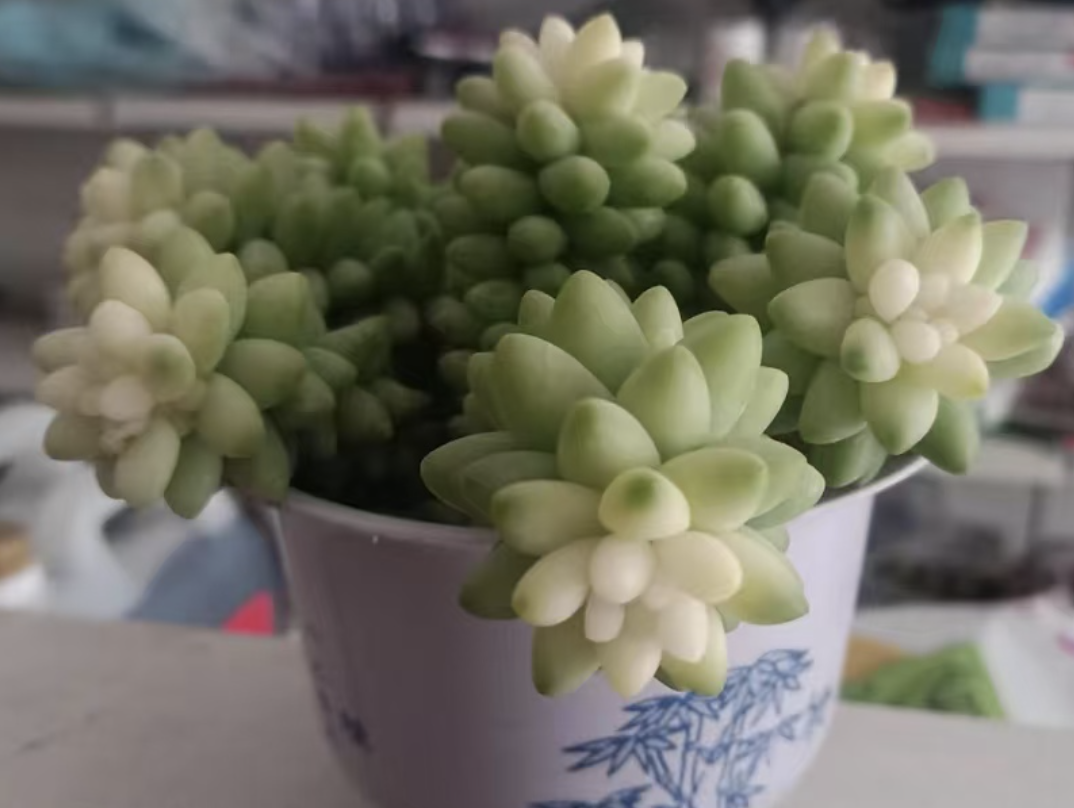
What is the most resilient and easiest succulent to grow?
With the progress of society, many people are busy with their daily lives and, during their free time, prefer to stay at home and enjoy flowers and plants
-
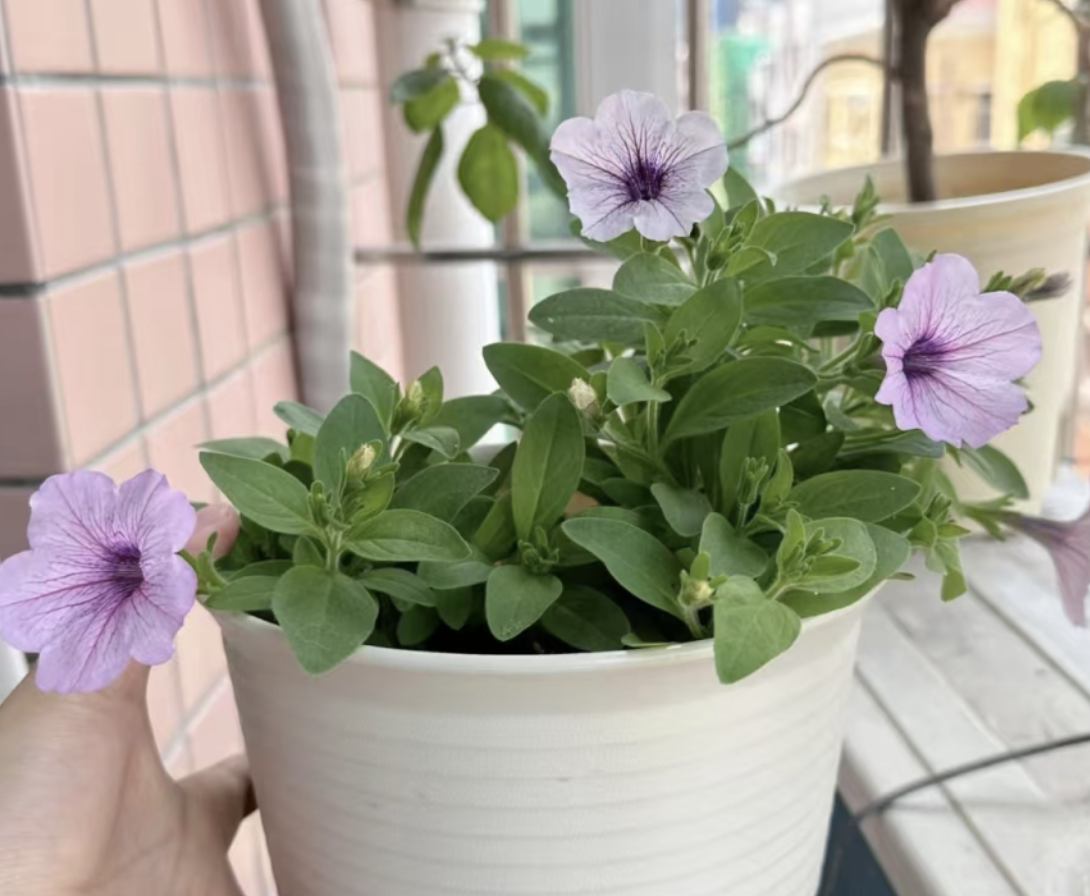
What are the 3 most popular flowers that bloom in May? Which flowers are easy to bloom and easy to care for?
April is likely one of the busiest months for many plant enthusiasts. Why is that? Because it's the perfect time for most plants to be repotted, pruned, or
-

What size pot is most suitable for growing Phalaenopsis orchids at home, and is bigger always better?
"When growing Phalaenopsis at home, what size pot is the right choice? Does it grow more vigorously the bigger the pot?" In fact, many people raising Phalaenopsis for the first time always feel that giving it a large space will help it grow better, but then they buy too large a pot, and instead the plant rots at the roots and turns yellow at the leaves, all for nothing. Phalaenopsis really is not better in a bigger pot; rather, "small pots grow roots, big pots rot
-

4 kinds of flowers that fear scorching sun the most, they only thrive when kept in a shady spot
It has been getting hotter and hotter lately, and the sun is getting more and more vicious. Many flower-growing friends are complaining: "Why does my flower wilt after being in the sun?" Actually, not all flowers are "sunflowers" - some flowers are naturally afraid of sun, and once exposed they get yellow leaves and scorched tips, which really breaks your heart! Clivia: This flower looks majestic, but it is actually very delicate. Many people think
-

What is the best and most cost-effective substrate for growing Phalaenopsis orchids at home?
Friends who grow Phalaenopsis orchids surely know: "To grow orchids, first grow the roots; to grow the roots, rely on the substrate." Unlike growing pothos or succulents in ordinary potting soil, Phalaenopsis is an epiphytic orchid with aerial roots that need to breathe air. If you use sticky garden soil, the roots will surely rot within half a month. So when choosing a substrate, never be careless. You have to pick those that are breathable, water-retentive yet not root-suffocating, and also cost-effective. After all, we are growing flowers at home, and there is no need to spend a lot of money on fancy but impractical things.
-

What flowers are most suitable as a gift for a company opening? These few kinds hold up the scene and bring good luck
When a friend's company opens, giving money is too direct, and giving gifts risks missing the mark, so sending flowers becomes a reliable choice. But you can't just pick any bouquet; you have to balance "looking good enough to hold up the scene" and "having an auspicious meaning." For company opening flowers, there are just two core requirements: first, they must be grand enough, so that when placed at the reception desk or in the lobby they don't look cheap, and can make
-

Which houseplants can't tolerate waterlogging? These five hate being overwatered the most
You water them every day and fuss over them, yet the plant wilts instead. You dig into the soil and find the roots have rotted to mush. The truth is, not all plants love to drink. Some are naturally afraid of waterlogging, and the more diligently you water them, the faster they die. Today let's talk about five houseplants that fear water the most. Beginners, take note. Snake
-

Can a Phalaenopsis with stem rot still be saved? Detailed explanation of the most effective treatment
Can a Phalaenopsis survive stem rot? Actually, as long as it is discovered early and treated promptly, there is a good chance it can be saved. But if you wait until the entire stem has rotted through, then even a miracle worker cannot save it. So the key is "early detection, early action." How do you tell if it is stem rot? The most obvious sign is brown spots appearing on the stem
-

Key precautions after repotting a Phalaenopsis orchid and what it fears most
You finally finish repotting your Phalaenopsis orchid, only for its leaves to turn yellow and its roots to rot within a few days? Don't let all your hard work go to waste! Below, let's talk about the "major taboos" of aftercare following repotting. Beginners must avoid them! 1. Waterlogging Phalaenopsis orchid roots absolutely hate being smothered! After repotting, if the pot holds standing water, the roots will turn black and rot within a few days! Guide to avoiding pitfalls: 1. Choose one with large
-
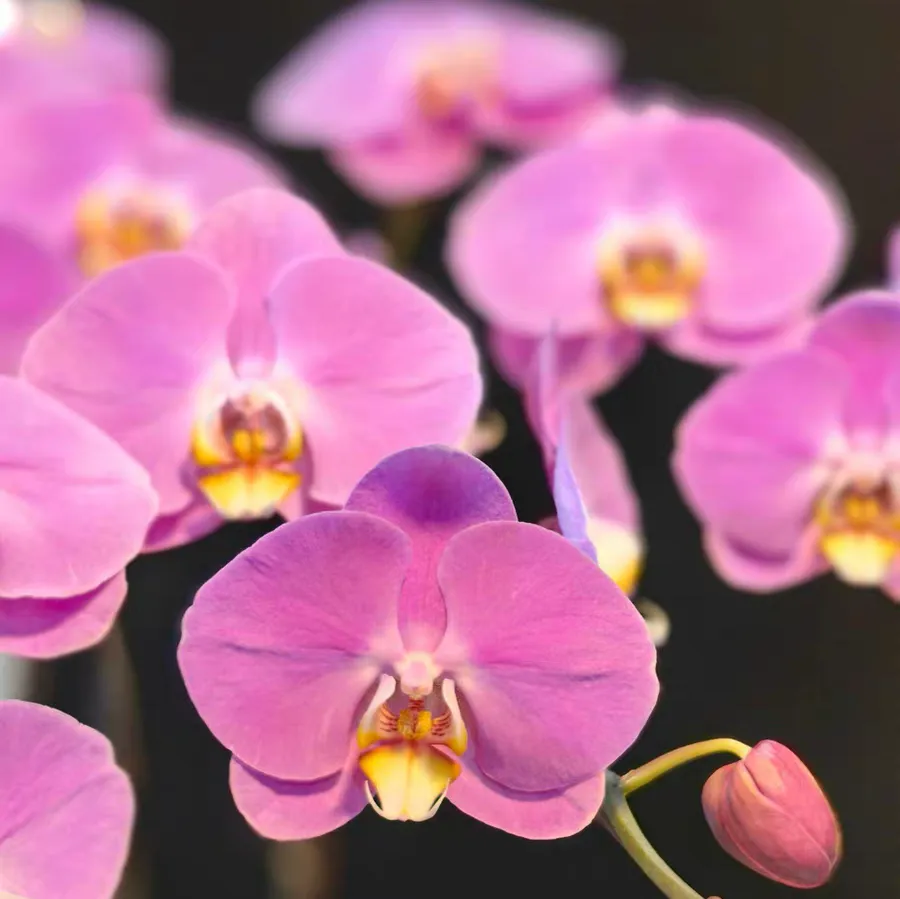
What are the most important taboos after repotting Phalaenopsis orchids?
Finally repotted your Phalaenopsis orchid, only to see yellow leaves and rotten roots within days? Don’t let your hard work go to waste! Here are the top
条件筛选