-
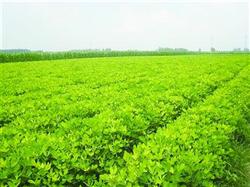
Application Methods of Several Growth Regulators on Peanuts
Applying growth regulators to peanuts has the effects of promoting strong seedling early growth, increasing pod number and weight, and achieving early maturity and high yield. The growth regulators currently used fall mainly into two categories: one is growth promoters containing substances such as micro-fertilizers and hormones; the other is growth inhibitors that control growth and prevent lodging. 1. Growth promoters 1. AB...
-
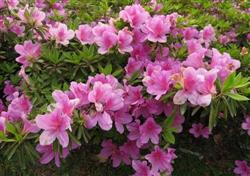
What fertilizer is best for azaleas? Fertilizer selection and application methods
What fertilizer is best for azaleas? Please give guidance. Azaleas are fertilizer-loving plants. In addition to the main nutrients nitrogen, phosphorus and potassium, they also need trace elements such as boron, copper, molybdenum and zinc. For azaleas, fertilizers with mild strength and long-lasting effect are suitable. For home azalea growing, ox horn, ram horn and animal hoof pieces can be used; these fertilizers contain 12%-15% nitrogen and 0.2%-8% phosphorus, and also contain a small amount of potassium and trace elements. Thin hoof pieces take effect 1 month after application, while thick hoof and horn pieces show fertilizer effect after 2 months, and the fertility can last 6-8 months. When using them, they can be buried at the edge or bottom of the pot along with repotting or changing pots. Cake fertilizer is also a relatively complete fertilizer in terms of nutrition. The nutrients in cake fertilizer generally contain 2.1%-7.6% nitrogen, 0.54%-3.3% phosphorus and 0.5%-2.7% potassium. Generally speaking, soybean cake and peanut cake contain more nitrogen, while rapeseed cake and cottonseed cake contain more phosphorus. They must be fully fermented before application. Fertilizer made by composting livestock manure and tree leaves can be mixed into the growing medium when repotting.
-
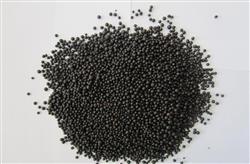
The role and application methods of amino acid organic fertilizer
Amino acid organic fertilizer was recently successfully developed in Yishui. This organic fertilizer is made from cake fertilizer (soybean meal, rapeseed meal, etc.), green manure and other raw materials containing plant protein, produced using a national invention patent method (0010794, 5), as a pollution-free, hormone-free, residue-free, fully organic, high-efficiency green agrochemical new...
-
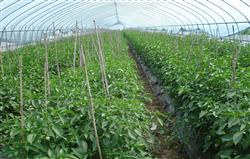
Application Methods and Technical Key Points of High-Efficiency Organic Fertilizer
I. How to Apply High-Efficiency Organic Fertilizer to Vegetables 1. Application Rate: According to the nutrient requirements of various vegetable crops, apply 60-100 kg per mu as base fertilizer for each crop of vegetables. Baosheng High-Efficiency Organic Fertilizer is mild in nature, and applying more is unlikely to cause fertilizer burn; for vegetables, melons and fruits with high economic value or high yield, the application rate may be increased by 20-50%. Baosheng...
-
Detailed Explanation of Fertilizer Types and Application Methods (Part 6)
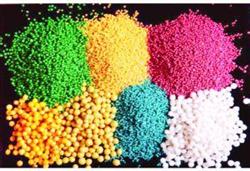
Achievement of Shandong Agricultural University: The fertilizer coating controlled-release technology involves spraying a uniform controlled-release film onto the surface of crop-specific compound fertilizer or urea granules. Its core technology lies in the film material and corresponding additives. By adjusting the formula, the number and size of pores on the film can be set to control nutrient release. Controlled-release fertilizer...
-
What Types of Nitrogen Fertilizers Are There? A Detailed Guide to Application Methods
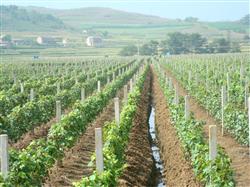
The nitrogen fertilizers commonly used in fruit tree production mainly include urea, ammonium bicarbonate, ammonium nitrate, ammonium sulfate, ammonium chloride and slow-release urea. Urea is an amide-form nitrogen fertilizer with a nitrogen content generally of 46%, and can be used as a base fertilizer, a top dressing and a foliar top dressing. Ammonium bicarbonate is an ammonium-form nitrogen fertilizer with a nitrogen content generally of 16.5%-16.8%, and can be used as a base fertilizer, ...
-
Correct application methods for ammonium-nitrogen compound fertilizer
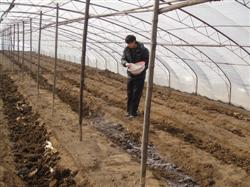
How should ammonium-nitrogen compound fertilizer be applied? Please give an introduction. There are three types of nitrogen fertilizer in compound fertilizer: ammonium nitrogen, nitrate nitrogen and urea. Nitrate nitrogen is absorbed most quickly by crops, but it is not easily retained in the soil and is prone to leaching with water, so it is best used as a top dressing and less suitable as a base fertilizer; urea also leaches easily, and after being applied to the soil it must undergo transformation before it can be absorbed by crops. This process takes a long time when spring soil temperatures are low, and its effect is too slow, so it is also not ideal as a base fertilizer. Only ammonium nitrogen is both easily adsorbed and retained by the soil, not prone to leaching, and unaffected by low temperatures, giving it the highest utilization rate and making it the most ideal base fertilizer. Therefore, ammonium-nitrogen compound fertilizer is suitable for application as a base fertilizer.
-

Application methods of chlortetracycline and olaquindox in meat duck feed
Application of chlortetracycline and olaquindox in meat duck feed
-
Application Methods and Technical Key Points of Fruit Tree Bird-Proof Nets
Application of Fruit Tree Bird-Proof Nets
-
Key Technical Points and Application Methods of Fruit Tree Foliar Fertilization
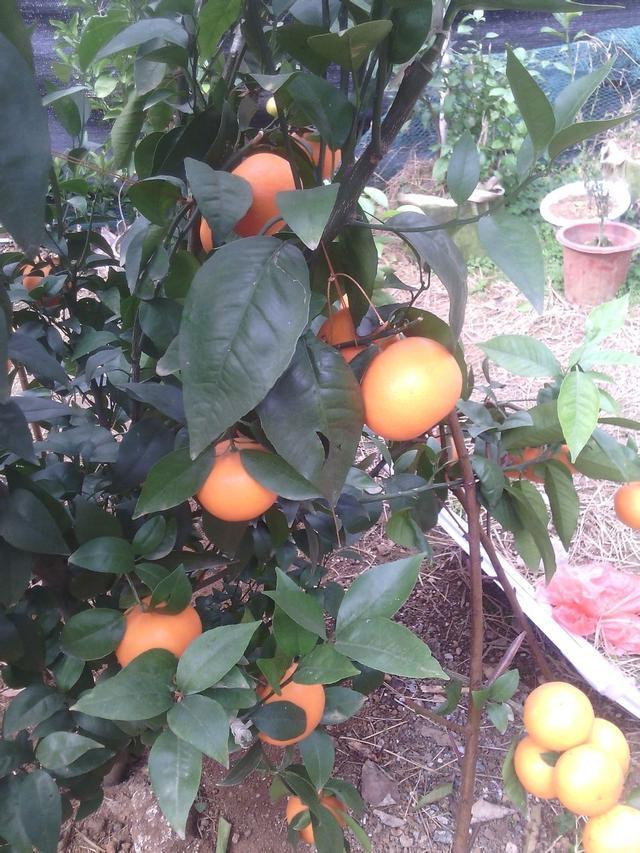
Fruit Tree Foliar Fertilization Technology Foliar fertilization of fruit trees is an auxiliary and supplementary method to soil fertilization. It can promptly supply nutrient elements and plant growth regulators that fruit trees lack, and can rapidly promote or regulate the growth and development of fruit trees. It is a commonly used...
条件筛选