-
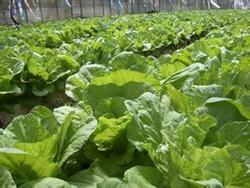
Scientific application methods and technical key points for potash fertilizer
Potassium is one of the three essential fertilizer elements. Many vegetables often require more potassium than nitrogen and phosphorus; well-grown vegetables contain potassium at 2.5%-7% of their dry matter, higher than their nitrogen and phosphorus content. Most vegetables absorb more potassium than nitrogen; for example, the nitrogen-to-potassium ratio absorbed by cucumber is 1:(1.5-1.7), by pumpkin is 1:2.1, and by tomato is 1:...
-
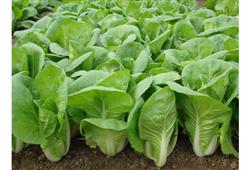
Application Methods of Potassium Fertilizer in Vegetable Cultivation
There are many types of potassium fertilizer, and different types have different application methods. Commonly used potassium fertilizers include potassium chloride, potassium sulfate, potassium-magnesium fertilizer and plant ash. Potassium chloride and potassium sulfate are physiologically acidic fertilizers and should be applied together with lime and organic fertilizer. For chlorine-sensitive crops such as potatoes, potassium chloride and potassium-magnesium fertilizer with high chlorine content should not be applied...
-
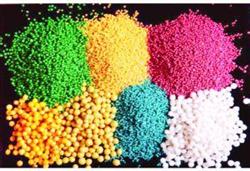
Detailed Explanation of Fertilizer Types and Application Methods (Part 6)
Achievement of Shandong Agricultural University: The fertilizer coating controlled-release technology involves spraying a uniform controlled-release film onto the surface of crop-specific compound fertilizer or urea granules. Its core technology lies in the film material and corresponding additives. By adjusting the formula, the number and size of pores on the film can be set to control nutrient release. Controlled-release fertilizer...
-
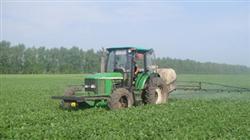
Correct Application Methods and Key Spraying Points for Foliar Fertilizers
1. Different foliar fertilizers have different application concentrations; higher is not always better. 2. Different crops and different growth stages respond differently to foliar fertilizers. 3. Different crops react differently to foliar fertilizers. 4. How well a foliar fertilizer dissolves and its dilution concentration greatly affect the spraying results...
-
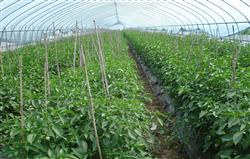
Application Methods and Technical Key Points of High-Efficiency Organic Fertilizer
I. How to Apply High-Efficiency Organic Fertilizer to Vegetables 1. Application Rate: According to the nutrient requirements of various vegetable crops, apply 60-100 kg per mu as base fertilizer for each crop of vegetables. Baosheng High-Efficiency Organic Fertilizer is mild in nature, and applying more is unlikely to cause fertilizer burn; for vegetables, melons and fruits with high economic value or high yield, the application rate may be increased by 20-50%. Baosheng...
-
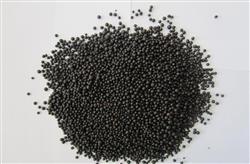
The role and application methods of amino acid organic fertilizer
Amino acid organic fertilizer was recently successfully developed in Yishui. This organic fertilizer is made from cake fertilizer (soybean meal, rapeseed meal, etc.), green manure and other raw materials containing plant protein, produced using a national invention patent method (0010794, 5), as a pollution-free, hormone-free, residue-free, fully organic, high-efficiency green agrochemical new...
-
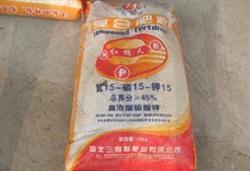
A Detailed Guide to Boron Fertilizer: Functions and Application Methods
As the saying goes: "A person who delays the land for a moment, the land delays the person for a year." Once farmers buy and use fake or inferior chemical fertilizers, the losses caused are hard to make up for, which both dampens farmers' enthusiasm and harms their interests. Below is an introduction to the common methods for identifying genuine and fake fertilizers: visual inspection - first look at the fertilizer packaging,...
-
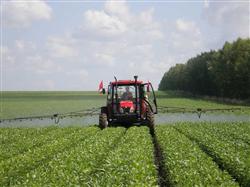
Characteristics and Application Methods of Water-Soluble Fertilizers Explained in Detail
The "7 major issues" to watch out for when applying foliar fertilizers: Issue one, the spraying concentration must be appropriate. The spraying concentration of foliar fertilizer directly affects the result; if too high, it easily burns crop leaves; if too low, it not only increases the workload but also fails to achieve the spraying effect, so during spraying it must be based on the crop...
-

How are herbicides used in rice paddies? A detailed guide to application methods
How are herbicides used in rice paddies? What should you do if herbicide damage occurs? We hope experienced readers can help share their knowledge. Zhongdi Network has compiled the methods for applying herbicides in rice paddies and how to identify and remedy herbicide damage. These are listed below for readers' reference. Methods for using herbicides in rice paddies: The common...
-
What fertilizer is best for azaleas? Fertilizer selection and application methods
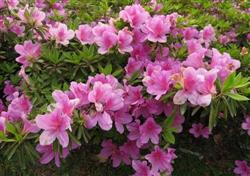
What fertilizer is best for azaleas? Please give guidance. Azaleas are fertilizer-loving plants. In addition to the main nutrients nitrogen, phosphorus and potassium, they also need trace elements such as boron, copper, molybdenum and zinc. For azaleas, fertilizers with mild strength and long-lasting effect are suitable. For home azalea growing, ox horn, ram horn and animal hoof pieces can be used; these fertilizers contain 12%-15% nitrogen and 0.2%-8% phosphorus, and also contain a small amount of potassium and trace elements. Thin hoof pieces take effect 1 month after application, while thick hoof and horn pieces show fertilizer effect after 2 months, and the fertility can last 6-8 months. When using them, they can be buried at the edge or bottom of the pot along with repotting or changing pots. Cake fertilizer is also a relatively complete fertilizer in terms of nutrition. The nutrients in cake fertilizer generally contain 2.1%-7.6% nitrogen, 0.54%-3.3% phosphorus and 0.5%-2.7% potassium. Generally speaking, soybean cake and peanut cake contain more nitrogen, while rapeseed cake and cottonseed cake contain more phosphorus. They must be fully fermented before application. Fertilizer made by composting livestock manure and tree leaves can be mixed into the growing medium when repotting.
条件筛选