-

-

Is the four-season begonia toxic? Answering whether it is suitable for indoor cultivation
The four-season begonia is a succulent herbaceous plant, and this plant is the most common indoor cultivation. This plant has graceful branches and leaves and lush clusters of flowers. This plant is one of the most suitable plants for indoor decoration, and flower growers are also very fond of this plant
-
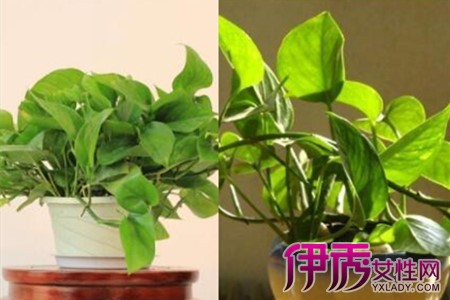
Is Pothos Toxic? A Floristry Master Answers Your Cultivation Questions
Pothos is an indoor ornamental plant beloved in households everywhere. Especially in newly renovated interiors, pothos is generally used to absorb harmful substances, but is the pothos that has absorbed them toxic? Can it still be kept on display? Below, the editor analyzes this for you.
-

Answers to Key Questions on Tea Tree Mushroom Cultivation Techniques
Tea tree mushroom, also known as the tea tree mushroom (Agrocybe aegerita), is a rare mushroom variety newly developed in recent years and well received in domestic and international markets, becoming a highlight among varieties promoted for cultivation in various regions. Gutian County, Fujian Province alone reaches an annual cultivation volume of 100 million bags. Because the cultivation history of the tea tree mushroom is short, production management lacks standardization, and both the mycelium and fruiting bodies of this mushroom contain an almond-like fragrance, pests and diseases are relatively numerous, resulting in substandard yields, declining quality, and excessive pesticide residues in products, directly affecting economic benefits and the sustainable development of the industry. With the implementation of the national "Law on the Quality and Safety of Agricultural Products" and
-
Can the fat-to-lean ratio of pigs be regulated? The answer is yes.
After nearly ten years of scientific and technological research, scientists in China have discovered the mechanism of differentiation and regulation of pork fat cells, achieving a major breakthrough in research on using biotechnology to control the fat content of pork. The study adopted a variety of techniques such as cell biology and molecular biology to measure and analyze the growth and development of fat cells, adipose tissue metabolism and related genes among different pig breeds, and obtained a series of research results. This major achievement recently passed the appraisal organized by the Ministry of Education.
-
Can Gastrodia elata prevent Alzheimer's disease? Experiments provide the answer
Experiments at the China Medical Institute of Traditional Chinese Medicine in Taiwan, China found that Gastrodia elata can improve learning and memory impairment, and besides helping to maintain health, it can also prevent or treat Alzheimer's disease. Since toxicity tests have confirmed it to be non-toxic, the institute plans to develop Gastrodia elata into products similar to pickled cucumbers or health beverages. Hsieh Ming-tsun, president of the College of Traditional Chinese Medicine in Taiwan, China, and Wu Chi-jui, a PhD at the Institute of Traditional Chinese Medicine, have recently devoted themselves to research on the effect of Gastrodia elata in improving learning and memory impairment, and found that gastrodin, the main active component in Gastrodia elata, can increase adrenal hormone secretion, increase the body's utilization of blood sugar, and thereby activate brain function.
-
Summary of Common Questions About Softshell Turtles with Detailed Answers
When treating ciliate disease in softshell turtles, after spreading quicklime, a few days later you can use a ciliate-killing drug. Prevention and treatment methods for sessile ciliate disease in softshell turtles: (1) Regularly spread quicklime (20-25 g/cubic meter) and bleaching powder (1.5 g/cubic meter) over the entire pond. (2) Soak diseased softshell turtles in copper sulfate (8 g/cubic meter) or potassium permanganate (10 g/cubic meter) for 20-30 minutes. (3) Spread a copper sulfate and ferrous sulfate mixture (5:2) over the entire pond. During high-temperature periods, use 0.
-
How to prevent and treat raccoon dog diseases? Detailed answers to thirteen questions
1. What causes a large number of raccoon dogs to have diarrhea? How to prevent and treat it? Answer: When a large number of raccoon dogs in a breeding group have diarrhea, the first thing to consider is the feed problem. Is the feed moldy and spoiled? Is the animal feed rotten? Has the grain feed been stored for too long? Is the salt content too high? Has the grain feed not been processed and cooked thoroughly enough? All of the above situations can cause a large number of raccoon dogs to have diarrhea. For prevention and treatment, the above problems must be solved. At the same time, feeding gentamicin, norfloxacin, chloramphenicol, oxytetracycline, sulfonamides and other drugs all have a certain
-
How can mushrooms improve wood properties? Swiss research has the answer
Switzerland's Federal Laboratories for Materials Science and Technology said on the 27th that they are experimenting with mushrooms to improve certain properties of fir and spruce, in order to expand the uses of these woods. Fir and spruce make up 60% of Switzerland's trees and have the advantages of strong mechanical endurance and being easy to process, but they also have weaknesses such as being difficult to process finely and difficult to use for a long time. In addition, protective coatings such as fireproof, anti-corrosion or UV-resistant coatings are difficult to penetrate into these woods, which limits their development and use, for example, they cannot be used as exterior building materials. Researchers are experimenting with wood-eating mushrooms to change
-
Questions and Answers on Building a Raccoon Dog Farm and Introducing Breeding Stock
Q: What are the prospects for raccoon dog farming? Can it make money? A: The prospects for raccoon dog farming are promising, and it can make money. Q: Which regions are suitable for developing raccoon dog farming? A: The raccoon dog's place of origin is in the northern regions of our country, and it can be raised in any area north of 30°N latitude. The quality of raccoon dog pelts produced in higher-latitude regions is superior to that of pelts from lower-latitude regions (30°--40°). To ensure pelt quality, breeding stock should be introduced from high-latitude regions (north of 40°) as much as possible, and preferably a portion of new breeding stock should be introduced every year to renew the bloodline and improve
条件筛选