-

Aerial Roots of Phalaenopsis: The Ins and Outs of Dry vs. Wet, and What Causes Them to Dry Out
Anyone who grows Phalaenopsis orchids is surely impressed by those few aerial roots sticking out of the potting medium -- either wrinkled like sun-dried preserved mustard greens, or plump like a sea cucumber full of water. So should these things be dry or wet? And if they dry out, how do you save them? Actually, the aerial roots of Phalaenopsis can't be too dry, nor should they be wet all the time; they need
-

Why do strawberry leaves grow well but the plant does not bloom, and what are the causes
Do some of you have strawberries at home with lush, thriving leaves but barely any flowers? Don't worry, today let's talk about the reasons for few strawberry flowers, plus a super practical rescue guide. The reason strawberries only grow leaves without blooming: fertilizer mistakes: once nitrogen fertilizer takes over, the strawberry plant goes crazy growing leaves! Excess nitrogen fertilizer makes the plant grow leggy,
-

Is carbendazim for flowers and plants harmful to humans? A detailed explanation of its effects and uses
For experienced gardeners, the proper use of fungicides is the most ordinary thing. But for novice flower lovers, they are often prone to gullibly trusting online tutorials, and carelessly get the frequency of use wrong, causing the opposite effect. So, regarding the most common methods of using carbendazim, what issues need attention
-
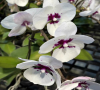
Is the Tianlai Phalaenopsis a large-flowered or small-flowered orchid, and what causes its leaves to split?
Today I would like to share with you a Phalaenopsis orchid - Tianlai. The Tianlai Phalaenopsis has a medium-to-large flower shape, with blossoms like a big tongue dancing gracefully, extraordinarily lively. The petals have a base color as white as snow, with purplish-red patches dotted at the center, forming a sharp contrast with the snow-white petals and adding a sense of layering to the flower. No matter where you place it in your home, it
-
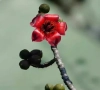
The benefits and uses of the kapok flower, and which city's city flower it is
In the warm south, there is a flower that always catches everyone's eye in spring, and that is the kapok flower. The kapok flower is a large deciduous tree of the Malvaceae family, extremely tall and upright, with a thick trunk that can grow to dozens of meters high. On the branches, huge flowers bloom freely, bright and eye-catching. Strangely, when it blooms, it has no green leaves
-

What kind of water is best for watering Phalaenopsis orchids, and what causes the surface to harden?
On the road to growing orchids well, many people have noticed that watering is the key to doing so. Generally speaking, ordinary people only use tap water to water their flowers, but doing this over the long term inevitably causes the surface of the sphagnum moss to harden. So how should watering be done in home care? Can you let tap water sit for two days before watering? Is this method reliable? Regard
-

Phalaenopsis Anthracnose Symptoms and Analysis of Causes of Rotten Leaves
For an orchid enthusiast who absolutely loves Phalaenopsis, the most troublesome thing is undoubtedly the pest and disease problems encountered during its growth. Among them, the most difficult virus to deal with in Phalaenopsis is of course "anthracnose." How does it develop? And how should it be handled once it occurs? First, let's talk about this anthracnose. After being infected with this disease,
-

The Best Time to Sow Spider Flower and an Introduction to Its Benefits and Uses
Today I am sharing a herbaceous plant native to tropical America, the "spider flower" (Cleome hassleriana). Once its flowers bloom, the unique petals look just like butterfly wings, and the stamens resemble antennae, seeming to dance along with the petals. Its flowering period is generally concentrated in summer and autumn, and the flower color changes from pale white to light red, and then from light red to light purple,
-

Is the nerve plant easy to keep alive? Learn about the benefits and uses of the nerve plant in one article
The nerve plant (Fittonia), a small and delicate ornamental plant whose leaves are covered with a unique network of veins, is favored by many plant lovers because of its appearance and relatively easy care. For friends who want to add a touch of green at home but worry about the difficulty of care, the nerve plant is undoubtedly a good choice. The nerve plant's
-

What Does the Ladybell Flower Look Like? A Detailed Guide to Its Benefits and Uses
Today we introduce a plant often used in Guangdong soup-making: the ladybell (Campanulaceae family) flower "shashen" (ladybell root). Its edible value includes nourishing the lungs and kidneys, clearing heat and resolving phlegm, and moistening the lungs to stop coughs, with particular effectiveness against lung-heat coughs and excess phlegm. Its blooming period is concentrated in autumn (August to October), and after blooming the flowers resemble little bells; the buds are mostly white and elongated-oval, with graceful flower shapes and a rich variety of colors.
条件筛选