-

Reasons for Feeding Rabbits Salt and the Appropriate Amount to Add
Sodium: widely distributed throughout the rabbit's body, it maintains the balance of water, electrolytes and acid-base levels in the body, so that the rabbit will neither become "shrunken and dry" nor develop edema; sodium also regulates normal cardiac physiological activity, and to a certain extent promotes nerve conduction and gastrointestinal motility. Chlorine: mainly distributed in the extracellular fluid, it is the raw material for forming gastric acid and a component of gastric juice. Gastric acid can stimulate appetite, enhance digestion, and increase the digestion and absorption rate of protein and fat. If the rabbit's diet lacks salt, it will cause loss of appetite in the rabbit
-
The important role of protein in pigs and the amount to add
Protein is the foundation of all life and also the main component of the pig's body. According to research measurements, protein makes up 15% of the pig's body. It is the basic raw material for all tissues and cells of the pig's body, including muscles, bones, nerves, connective tissue, skin, and blood; it is the main component of skin, hair, meat, milk, bones, and hooves; and it is also an important raw material for the pig's body to form enzymes, hormones, pigments, antibodies, and other biologically active substances. When the diet is deficient in protein, sows are prone to abnormal estrous cycles, difficulty conceiving, fewer piglets born, easy miscarriage, and giving birth to weak
-
Detailed Explanation of the Technical Key Points for Returning the Full Amount of Wheat Straw to the Field
Crop straw is an important by-product of crops. It is also an important production resource for agriculture and industrial production. Returning crop straw to the field not only avoids the environmental pollution problems caused by rotting and burning, and achieves feeding the land with the land itself, but also consolidates the foundation of soil fertility for greatly increasing soil organic matter content, improving soil structure, building up soil fertility, strengthening the quality construction of cultivated land, and raising crop yield and quality. In every agriculturally developed country in the world, great attention is paid to the scientific rationality of the fertilization structure and the
-
Several feed types that should not be fed to sows, or should not be fed in large amounts
1. Distillers grains. Although distillers grains are rich in crude protein and crude fat (especially dried distillers grains, whose crude protein content reaches 2%-25%), they lack carotene, vitamin D and calcium, and also contain a certain concentration of alcohol. Therefore, it is not suitable to feed large amounts to pregnant sows and lactating sows, otherwise it easily causes pregnant sows to miscarry and to give birth to stillborn or weak piglets. Even if piglets are born, they are prone to diarrhea. 2. Starch residue. Starch residue is a by-product of making starch or starch noodles from raw materials such as peas, adzuki beans or potatoes. It contains very little crude protein and starch, and is of poor quality.
-
What is the impact of the amount of water used for dry sowing and wet emergence of cotton?
In recent years, with the large-scale promotion of conventional drip irrigation, drip irrigation for seedling emergence after cotton sowing has become a routine technique adopted by most cotton-growing regions. Drip irrigation at the appropriate time can not only avoid the final frost in April, but also produce uniform cotton seedling emergence with better growth vigor, making field management easier. However, the amount of water used for drip irrigation for seedling emergence varies from place to place. Our region is a marginally suitable cotton-growing area, with frequent cold spells returning each spring, final frost mostly around April 20, and relatively low temperatures during the cotton seedling stage. Cotton root rot occurs in returning cold
-
How often should rosemary be watered? Learn how to fertilize and adjust watering amounts according to the seasons
Rosemary is a fairly ornamental plant, and people grow it in many regions of our country. As more and more people cultivate it, many related questions also arise. For example, how often should rosemary be watered? Actually, there is no specific answer to this question, because every season is different.
-
How to grow rosemary? Growing methods and care tips, control the watering amount well
Rosemary may seem like a rather mysterious plant in many people's minds; you may have heard of it, but not necessarily seen it. However, this plant is extremely popular abroad because it has strong medicinal value. So how do you grow rosemary? It is actually not hard, as long as you find the right method it is quite easy to grow.
-

How to water lily of the valley, how to fertilize lily of the valley / controlling watering amount / using multiple fertilizers in combination
Lily of the valley is a plant with extremely high medicinal value, and it also has high ornamental value. However, if you want it to have ornamental value, the care process cannot be careless at all, and watering and fertilizing are especially important. As for how to water lily of the valley and how to fertilize lily of the valley? There is a detailed introduction below.
-
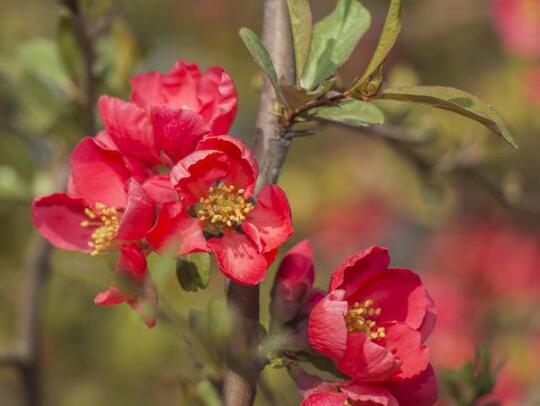
What to do when the leaves of the Japanese rose turn yellow? Identify the cause and control the amount of watering
The Japanese rose is a highly ornamental plant and is grown in many regions of our country. But even the most beautiful flower will lose its appeal if its leaves turn yellow. What should you do when the leaves of the Japanese rose turn yellow, and what are the causes? Let's take a look below.
-
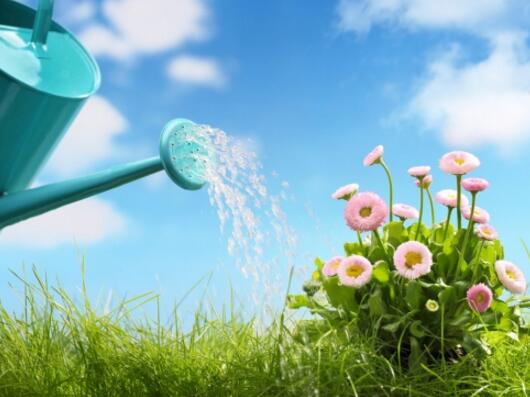
How to water dahlias? Control the amount of water according to the climate; in summer, you can water more.
Dahlia is a fairly common plant in people's lives. It has a great many varieties and is one of the world-famous flowers, so many people grow it. However, in the process of growing this plant, there are many aspects that need attention, and watering is an indispensable part of it.
条件筛选