-

What to Do When Amaryllis Doesn't Root After Blooming and Has Short Flower Scapes?
While caring for amaryllis, gardeners may run into some tricky problems, such as failure to root after blooming and short flower scapes. To help gardeners better care for amaryllis and let it bloom with even more brilliance, the following introduces these two problems and provides corresponding solutions. Amaryllis after blooming
-
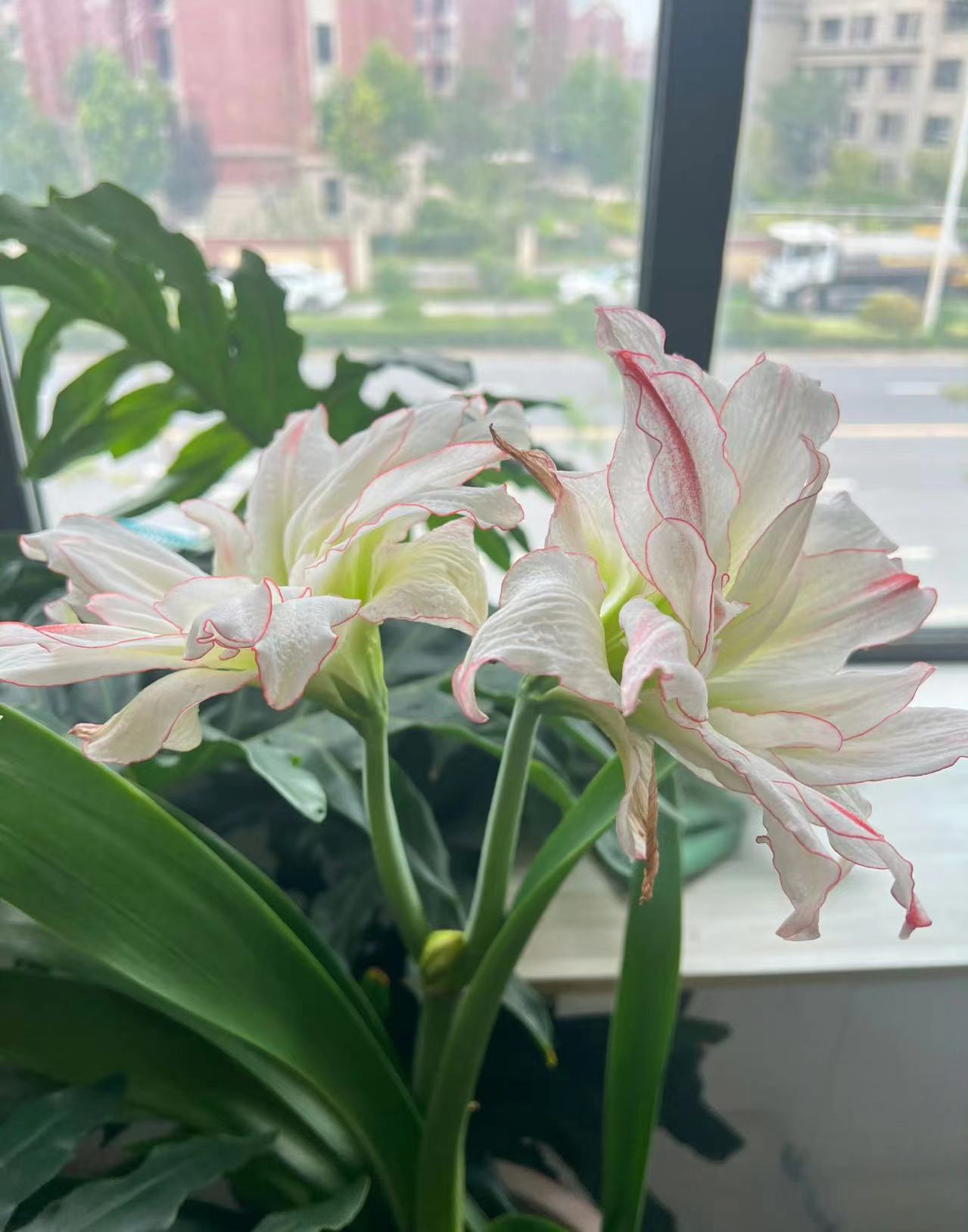
What to do if Amaryllis does not take root after flowering?
During the process of maintaining Amaryllis, flower lovers may encounter some tricky problems, such as no root growth after flowering and short flower scapes.
-
How Many Times a Year Does Amaryllis Bloom? Flowering Duration and Post-Bloom Care and Management Methods
Amaryllis, scientific name Hippeastrum rutilum, belongs to the genus Hippeastrum in the Amaryllidaceae family and is a perennial herbaceous plant. With its gorgeous, brilliant flowers and distinctive morphological characteristics, it holds a pivotal position in the world of flowers. The appearance of amaryllis is extremely attractive. Its plant form is upright
-
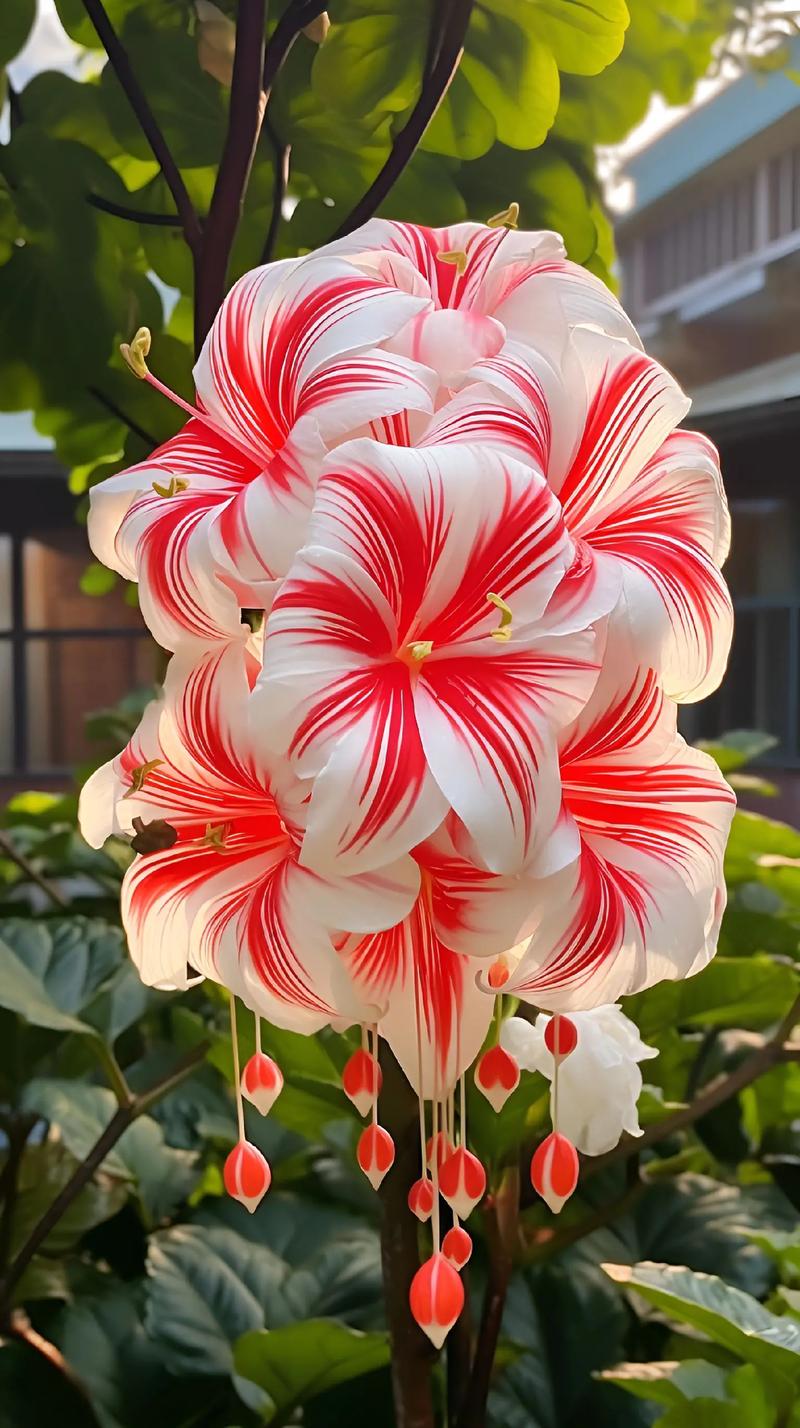
How to maintain and manage Amaryllis vittata after it blooms?
Amaryllis vittata, with the scientific name Hippeastrum rutilum, belongs to the genus Hippeastrum of the Amaryllidaceae family and is a perennial herbaceous
-

What is the difference between lilies and amaryllis, and which one has a longer flowering period?
In terms of cultural meaning, lilies are often regarded as a symbol of purity, sanctity and nobility, and are often used for weddings, celebrations and other important occasions; amaryllis, on the other hand, symbolizes the longing to be loved and the pursuit of love, with a passionate and unrestrained character. Lilies and amaryllis are both dazzling gems in the world of flowers, yet they differ significantly in many respects.
-
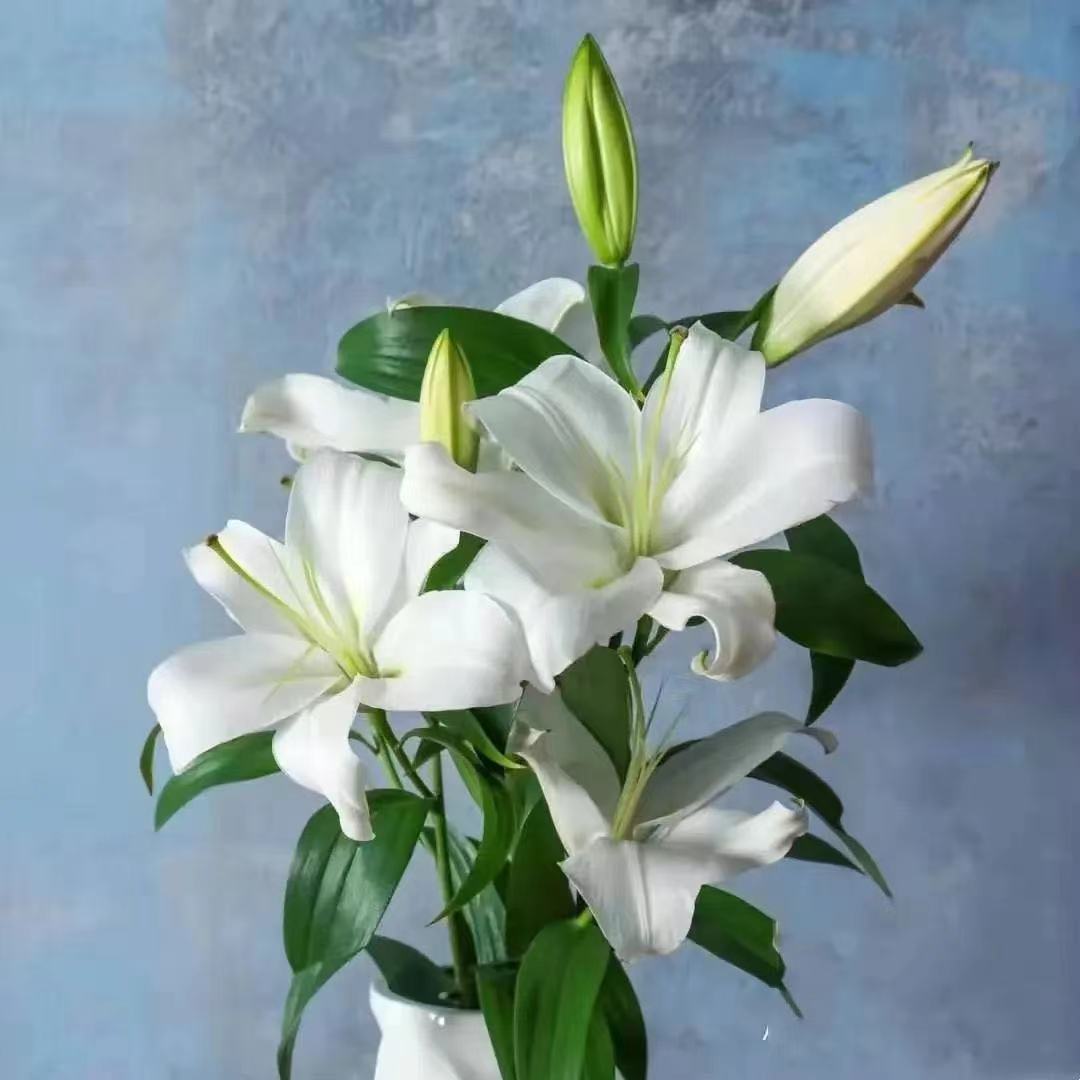
What are the differences between lilies and amaryllis?
In terms of cultural implications, lilies are often regarded as a symbol of purity, sacredness and nobility, and are commonly used in important occasions such
-

How to plant amaryllis bulbs? Beginners can also grow big flower balls
In recent years, amaryllis has been popular all over the country. Its popularity is mainly because the name "amaryllis" is auspicious. To get a good meaning, everyone likes to plant a pot at home or in the office. So today let's talk about what techniques beginners need for caring for amaryllis! Generally speaking, after buying from a flower market or online, when you get
-

A Detailed Guide to the Latest Cultivation Methods and Precautions for Amaryllis
Amaryllis, also known as zhu ding hong, gu ting hua, hua zhou lan, bai zi lian, etc., is a perennial herbaceous plant of the genus Hippeastrum in the Amaryllidaceae family. It is distributed in Brazil and China's Hainan Province and other places, and has been introduced and cultivated by humans. European and American horticulturists, to make it easier for flower growers, have specially produced amaryllis
-
Reasons for Yellowing Leaves on Amaryllis and How to Fix Them
Amaryllis is a flowering plant with excellent ornamental value, bearing large, brightly colored flowers, a graceful plant shape, and lush green leaves. It is a great accent plant for decorating the home, but it requires careful care. If not properly maintained, amaryllis can develop yellowing leaves and other problems,
-
A Detailed Guide to the Latest Methods for Planting Amaryllis Seeds
Amaryllis is also known as zhu ding hong, gu ting hua, hua zhou lan, etc. It originated in Brazil and prefers a warm, humid climate. Its optimum growing temperature is 18-25°C. It dislikes extreme heat, and sunlight should not be too intense. It fears waterlogging. During the winter dormant period, it prefers sandy loam rich in humus and well-drained.
条件筛选