-
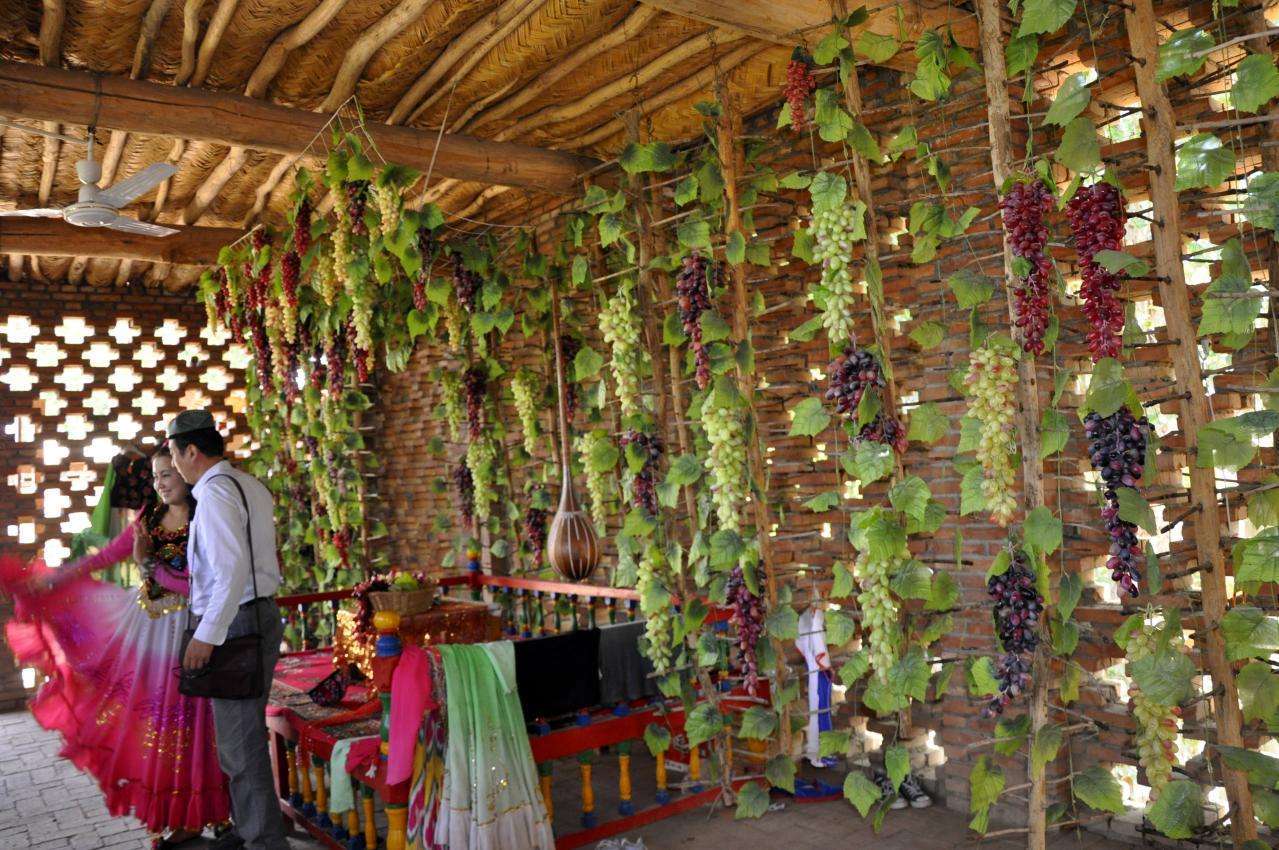
Fruits we've eaten since childhood, 99% of people eat them straight from the hand, unaware that what they swallow is dirt.
Fruits we've eaten since childhood, 99% of people pop them straight into their mouths, never knowing that what goes into their stomachs is dirt. In late summer, if you had to name the most common fruit, it would have to be grapes. Surely friends living in the countryside have a few grape vines growing in pots at home...
-

What is the difference between hollyhock and common mallow? Master these points to tell them apart easily
Plant form differences: Hollyhock can grow up to 2 m tall, and both its stems and flower branches bear bristles. Common mallow, by contrast, generally grows only 50-90 cm tall, and its branches bear some sparse coarse hairs. Leaf differences: The petioles of hollyhock are longer than those of common mallow. Flower differences: Hollyhock flowers are solitary or nearly clustered, while common mallow flowers are borne in clusters of 3-11 together.
-

-

What is the difference between round-leaved mallow and wild mallow?
Leaf difference: The leaves of round-leaved mallow are alternate, kidney-shaped, with a rounded-obtuse apex and a heart-shaped base; the leaves of wild mallow are kidney-shaped or round. Flower difference: The flowers of round-leaved mallow are clustered in groups of 3 to 5 at the upper part, and solitary at the base, each flower has 5 petals, and the petals are obcordate; the corolla of wild mallow is pale white or pale red.
-

It's the perfect time to repot clivia in early autumn: is deep planting or shallow planting better?
As autumn arrives, many gardening enthusiasts are preparing to repot their clivia (Clivia miniata) when the temperature is suitable, to promote better growth and flowering. Clivia is mostly repotted in spring and autumn. Autumn repotting is best done when the temperature is around 25 degrees...
-
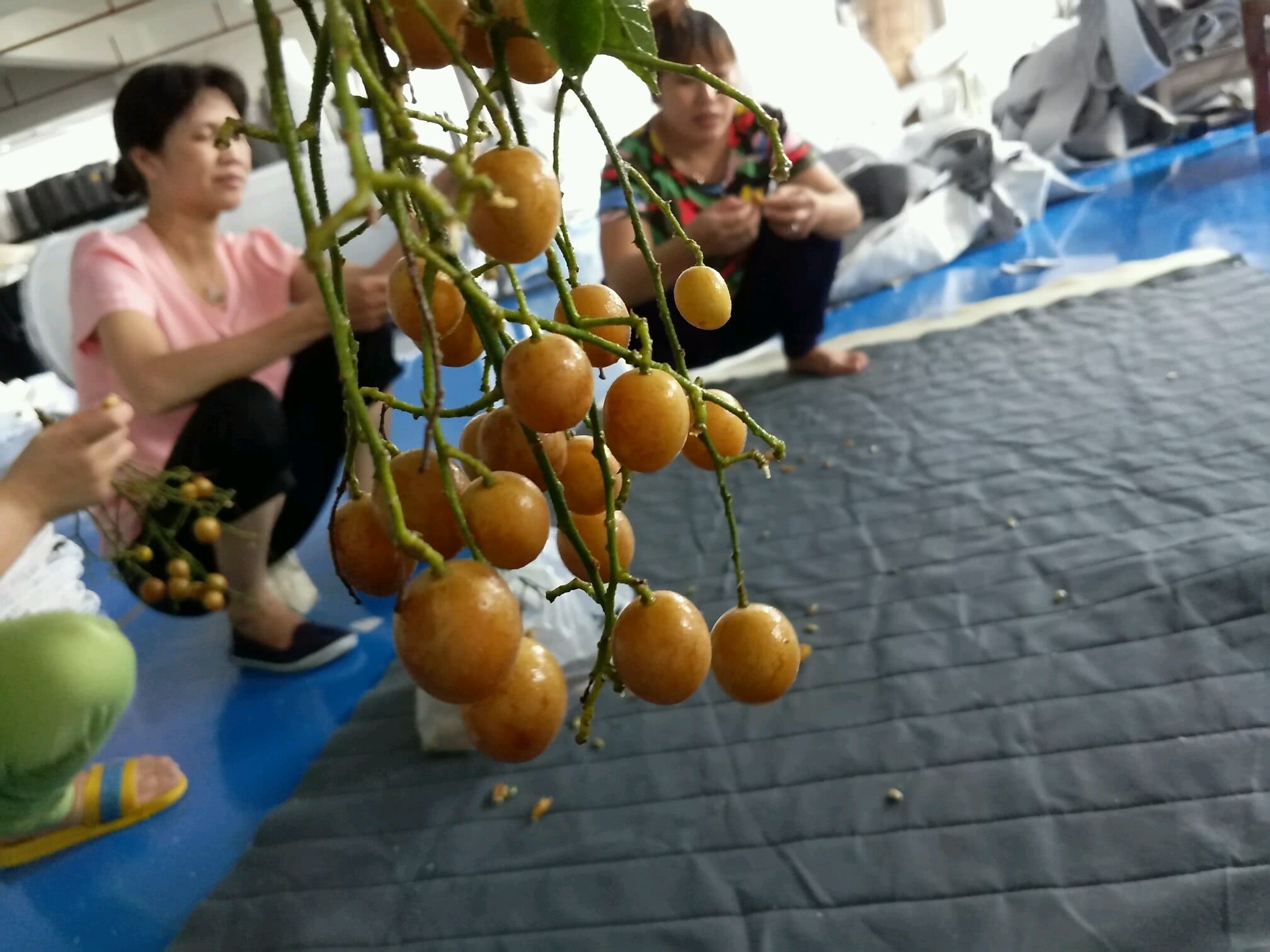
The treasure among fruits that southerners swallow whole, rarely seen in the north, and even the leaves can be eaten
When I was little, I grew up in the countryside with my grandparents. Back then, I saw plenty of the flowers, grasses, and trees in the countryside, especially at this time of year now, which is when many fruits ripen, and we would go pick fruit to eat. Back then, no...
-
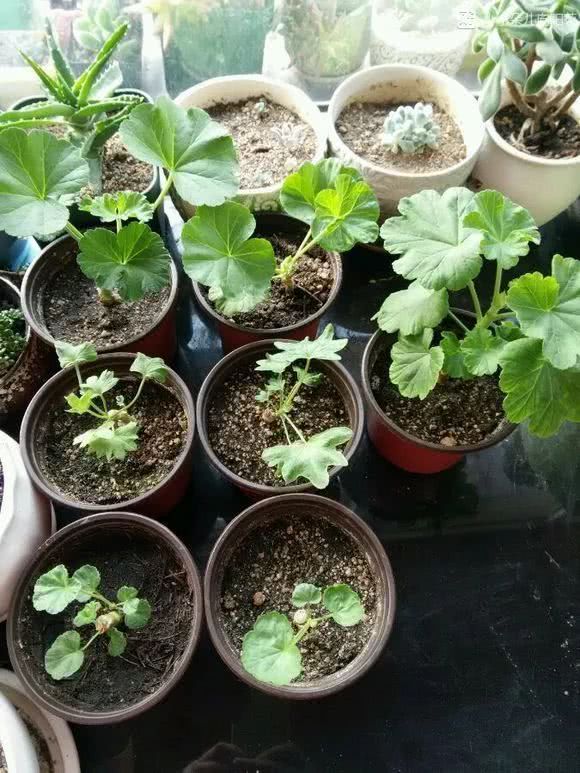
How deep should a cutting be inserted into the soil? Too deep and it rots easily, too shallow and it topples easily
Don't insert the cutting too deep just for the sake of stability. Inserting it too deep makes it prone to rot; even if it roots, a long stretch of stem covered in fine roots will make transplanting difficult, and may even restrict your choice of pot size later on. Because if the long roots are not trimmed...
-

-

A bowl of local red bean soup becomes the power to transform fallow land
A bowl of local red bean soup, the power to transform fallow land
-
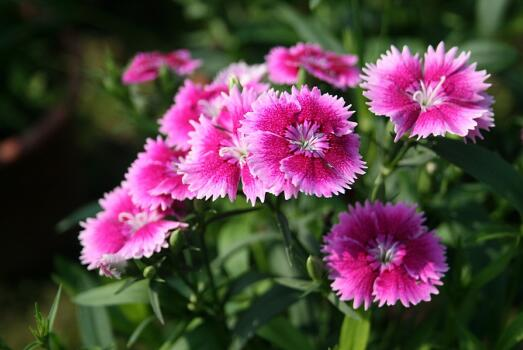
Cape Mallow (Anisodontea capensis) Growing Methods and Care Tips
I. Light Conditions The cape mallow is a sun-loving plant that thrives in bright light, and maintaining at least 6 hours of light per day is most suitable. Sufficient light promotes the growth of the cape mallow, making it more robust, while an overly shady environment will reduce flowering and affect its ornamental value. If placed indoors
条件筛选